
Quick Read
- A major fire broke out at a Matraville paper processing plant on September 26, 2025.
- Over 80 firefighters and 20 trucks responded to the emergency.
- Strong winds have made fire containment challenging.
- All staff at the facility are accounted for and safe.
- Residents are urged to seal homes to prevent smoke exposure.
Firefighters Respond to Major Matraville Blaze as Winds Fuel Rapid Spread
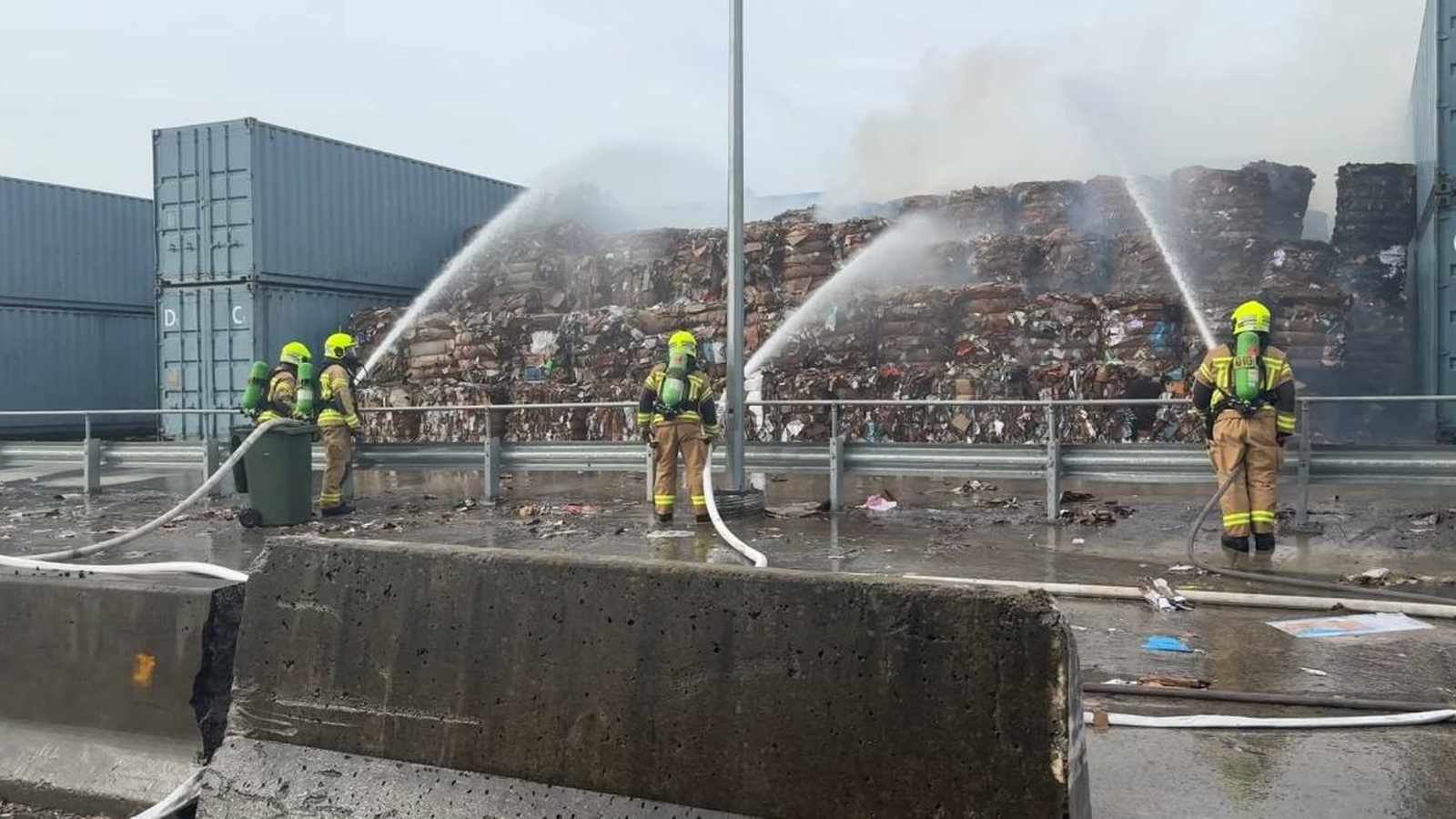
On the afternoon of September 26, 2025, Matraville—an eastern Sydney suburb known for its industrial facilities—became the scene of a dramatic firefighting operation. Shortly after 1pm, a flurry of Triple Zero (000) emergency calls signaled trouble at a paper processing plant on Botany Road. By the time Fire and Rescue NSW (FRNSW) crews arrived, they were met by a daunting sight: flames racing through stacks of paper, smoke billowing high above the industrial skyline, and a sense of urgency that permeated the air.
In a matter of minutes, the fire had grown beyond what ordinary hoses could contain. Fueled by strong winds sweeping through the area, the blaze quickly threatened not only the facility but also neighboring properties. Approximately 20 fire trucks and 80 firefighters converged on the site, forming a wall of red against the advancing inferno. Their coordinated efforts involved not just traditional firefighting tactics, but a full arsenal of specialist equipment—including aerial appliances for elevated attacks and hazardous materials (HAZMAT) teams to manage risks from burning industrial materials.
Residents Warned as Smoke Spreads Across Matraville
The impact of the fire extended beyond the plant itself. Residents and business owners in the surrounding streets found themselves enveloped in heavy smoke, prompting urgent warnings from authorities. FRNSW advised everyone in the area to seal their homes and workplaces—windows shut, doors locked—to keep the thick, acrid smoke from seeping indoors. This simple precaution, repeated in emergency broadcasts, became a crucial line of defense for the local community.
As the fire raged, the heat and embers damaged several cars parked on an adjoining street, underscoring the unpredictable reach of the disaster. For the staff working inside the facility, relief came in the form of a headcount: all were safely accounted for, a testament to quick evacuation and the professionalism of emergency responders.
Specialist Teams and Tactical Response on the Ground
FRNSW’s response was nothing short of comprehensive. Specialist resources rolled in throughout the afternoon—operational communications units to keep teams coordinated, HAZMAT specialists to monitor for toxic releases, and aerial appliances to attack the flames from above. The challenge, however, lay in the fire’s momentum. Strong winds, a frequent companion in Sydney’s spring, whipped the flames into unpredictable patterns, making containment an uphill battle.
Nearby fire stations, including Matraville, Maroubra, and Botany, dispatched additional crews. The collaboration between stations highlighted the scale of the incident and the importance of local infrastructure in mounting an effective response. The firefighting operation quickly became a complex ballet—hoses, ladders, and machinery moving in tight choreography against the backdrop of roaring flames.
Community Precautions and Ongoing Operations
As night approached, the firefighting effort showed no signs of abating. Operations would continue for hours, possibly into the next day, as crews worked to extinguish stubborn hotspots and prevent flare-ups. For residents, patience and vigilance were the order of the day. Authorities reiterated their advice: keep homes sealed, monitor updates, and avoid the affected area if possible.
FRNSW also took the opportunity to remind the public about fire safety fundamentals. Working smoke alarms, they emphasized, are not just a legal requirement—they’re a lifesaver. The incident served as a stark reminder of how quickly fires can escalate, especially in facilities storing flammable materials.
Local media, including Fire and Rescue NSW and Reuters, provided live updates and footage from the scene, giving the wider Sydney community a window into the relentless efforts of emergency services. The dramatic images captured towering columns of smoke, flashing red lights, and firefighters moving with purpose—a visual testament to their dedication.
Looking Ahead: Recovery and Reflection
While the immediate priority remained containment, questions about the aftermath began to surface. What would it take to restore the facility? How would affected businesses and residents recover from the disruption? For now, those answers would have to wait until the final embers were out.
In the coming days, investigators will likely examine the cause of the fire, assess the damage, and recommend improvements to safety protocols. Meanwhile, the Matraville community will regroup, drawing strength from the rapid and coordinated response that kept the crisis from spiraling further.
As the story develops, one thing remains clear: the resilience of emergency services and the vigilance of local residents have turned a potential catastrophe into a story of teamwork and determination.
The Matraville fire highlights the importance of preparedness and rapid coordination in industrial emergencies. While the damage is significant, the swift response and clear communication between authorities and the public prevented greater loss, demonstrating the power of community resilience under pressure.