
Quick Read
- The Central Electoral Commission released the preliminary number of eligible voters for the 2026 Armenian parliamentary elections: 2,489,031.
- The elections are scheduled for June 7, 2026 and are expected to be a key political event.
- The figure reflects citizens with voting rights as of the preliminary data.
- The rollout of the electoral process will proceed under Armenia’s constitutional framework and election laws.
- International observers may monitor the elections to assess fairness and transparency.
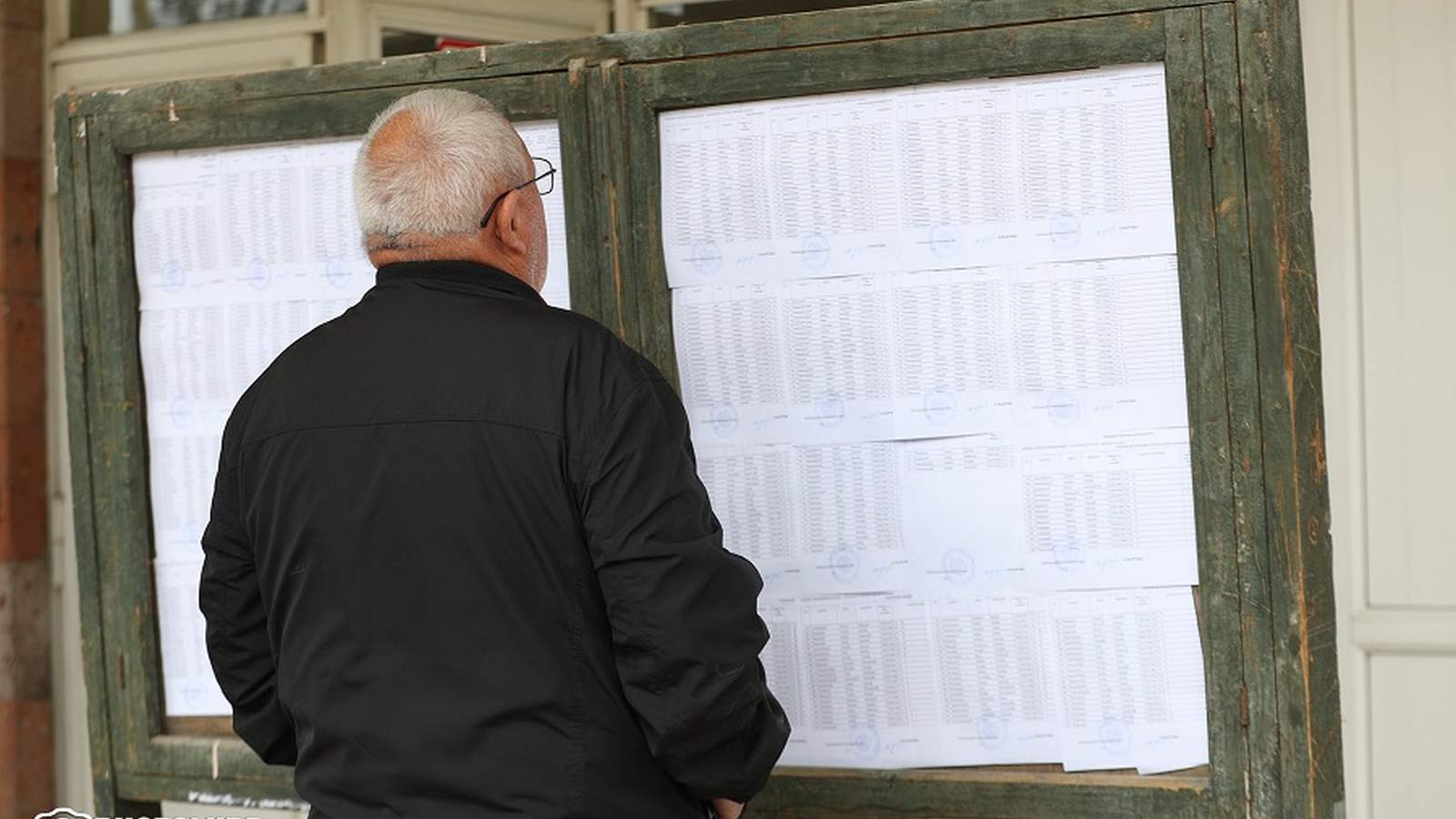
Armenia’s Central Electoral Commission (CEC) announced the preliminary figure for the number of citizens eligible to vote in the upcoming 2026 parliamentary elections, setting the stage for what observers and parties expect to be a pivotal political contest. According to the CEC, 2,489,031 individuals currently hold voting rights for the June 7 election. The release of the preliminary data follows standard pre-election procedures designed to provide transparency about the size of the electorate and to help political parties, international monitors, and the general public understand the scope of the voting population ahead of the ballots.
Election officials emphasize that the figure is preliminary and subject to change as the process of final voter registration and possible corrections to records continues. In many electoral systems, preliminary voter counts are used to calibrate logistics such as polling station staffing, ballot paper quantities, and outreach campaigns aimed at informing citizens about how and where to vote. The result also serves as a baseline against which amendments or adjustments may be made closer to election day.
Analysts note that the voter base for Armenia can be influenced by several factors, including changes in residency status, new births, and citizens who have acquired or reacquired voting rights through legal processes. The forthcoming June election is expected to attract intense political competition among parties and blocs as they present competing platforms on issues ranging from economy and governance to regional security and foreign policy. The electoral framework in Armenia provides for a multi-party system, with voters choosing representatives to the National Assembly, the country’s unicameral legislative body.
Observers, both domestic and international, will be watching implementation closely to ensure that the electoral process adheres to national law and international standards. Key themes anticipated in the campaign include economic recovery, public services, corruption, rule of law, and relations with regional neighbors. In the lead-up to June 7, civic organizations and watchdog groups are likely to increase their monitoring activities, focusing on transparency of campaign financing, access to media for different parties, and the integrity of vote counting and tabulation.
The CEC has not yet released details on how many polling stations will operate, the distribution of polling sites across urban and rural areas, or the precise timeline for early voting and absentee ballots, all of which typically accompany the run-up to a national election. Officials have stated that additional information and updates will be provided as the election calendar progresses and as the commission finalizes administrative preparations. As with past Armenian elections, the process will be closely scrutinized by the public and by international partners seeking to assess the fairness and credibility of the vote.
In summary, the preliminary count of eligible voters for the 2026 parliamentary elections stands at 2,489,031, marking an important step in the pre-election preparation and signaling the scale of citizen engagement expected on June 7. The broader electoral landscape will unfold in the coming months as parties unveil platforms, voters prepare to participate, and observers monitor the process for integrity and transparency.