
Quick Read
- The Lunar New Year 2026, marking the Year of the Horse, begins on February 17, 2026.
- This year is characterized as a ‘Yang Fire Horse’ year, symbolizing vigorous growth, forward momentum, and radical decisiveness.
- Traditional celebrations include deep cleaning homes, hanging red banners, and family reunion dinners with symbolic dishes on New Year’s Eve (February 16).
- The 15-day festival culminates with the Lantern Festival on March 3, 2026.
- Chinese medicine therapist Zoey Gong advises hydration, work-rest balance, and physical activity to align with the Horse year’s energetic demands.
GLOBAL (Azat TV) – The Lunar New Year, widely known as the Spring Festival, officially begins on February 17, 2026, ushering in the spirited Year of the Horse. This highly anticipated transition from the introspective Year of the Snake signals a powerful energetic reset, with cultural experts and practitioners of traditional Chinese medicine predicting a period characterized by forward momentum, radical decisiveness, and vigorous growth that resonates across communities worldwide.
Celebrations for the Lunar New Year, considered the most important event for Chinese communities globally, will commence with the new moon on February 17 and extend for 15 days, culminating in the Lantern Festival on March 3, 2026. The Chinese public holiday itself is scheduled from February 17 to February 23.
Embracing the Yang Fire Horse Energy
The Year of the Horse, which will run until February 5, 2027, is built on a sense of rapid movement and expansive upward energy. According to Paris and Shanghai-based Chinese medicine food therapist Zoey Gong, 2026 is specifically a Yang Fire Horse year, embodying vigorous growth and radical decisiveness. This contrasts sharply with the preceding Year of the Snake, which was culturally associated with introspection, strategy, and quiet transformation beneath the surface.
Gong explains that while the Horse year is excellent for ticking off personal milestones and accomplishing long-held goals, its inherent intensity may also indicate volatility. She advises a steady hand and mind to navigate potential whirlwind moments, emphasizing that acting from fear could lead to a loss of control. To prepare for this fiery energy, Gong recommends a deep cleaning and decluttering of one’s surroundings, seeing it as a physical translation of energetic recalibration that optimizes Feng Shui and invites good fortune. Nutritionally, the focus shifts to nourishing Yin, clearing ‘Heat,’ and calming the ‘Shen’ (spirit and consciousness) through hydration, balanced work-rest relationships, and intentional self-care, such as warm herbal teas.
Beyond mental and emotional preparation, the Horse year emphasizes a strong physical component. It is a time for active participation in life, encouraging travel, dance, long walks, and embracing new experiences to unlock mental clarity. The energy of the Horse year calls for emotional responsiveness over rigidity, urging individuals to remain prepared for plans to shift quickly and opportunities to appear without warning. Minimalism and a decluttering mindset are suggested to help harness this dynamic period effectively.
Time-Honored Traditions and Festivities
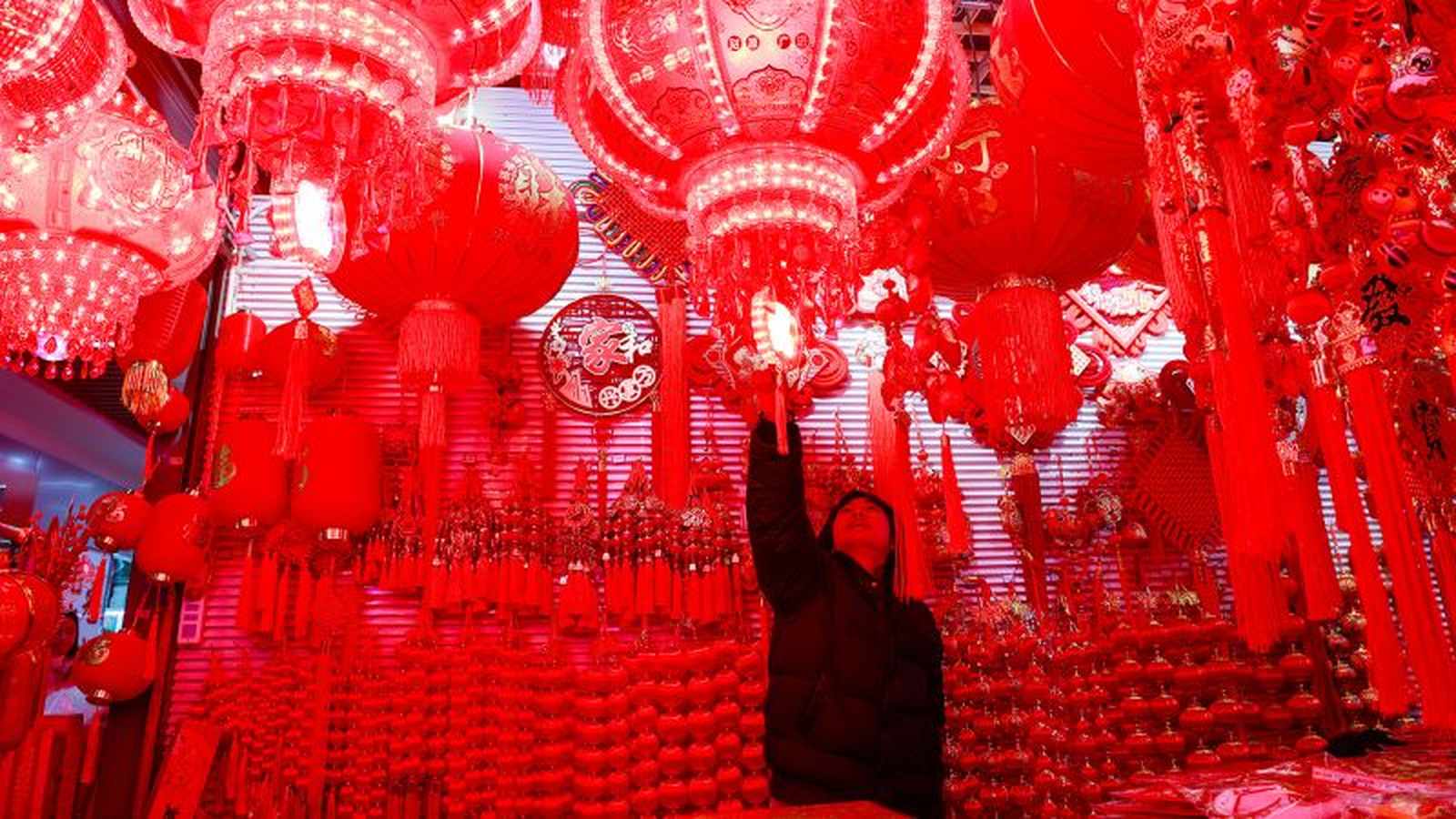
The Lunar New Year festivities are steeped in ancient traditions. Preparations often begin days in advance, with a thorough cleaning of homes by February 15 to sweep away bad luck. Red banners bearing auspicious phrases, known as fai chun or chunlian, are hung on doors and windows to invite good fortune and ward off the mythical beast Nian, who, according to legend, attacks villages on New Year’s Eve but is scared away by the color red, loud noises, and firecrackers. Wearing red clothing is another enduring tradition linked to this myth.
New Year’s Eve, on February 16, is marked by a crucial family reunion dinner, considered the most important meal of the year. Dishes are carefully selected for their symbolic meanings: fish (sounding like ‘surplus’), puddings (symbolizing ‘advancement’), and dumplings (resembling gold ingots) are common. Regional variations abound, with northern China favoring dumplings and noodles, while the south relies on steamed rice. After dinner, traditions include giving out red packets, or hongbao/lai see, filled with money to unmarried individuals and children, believed to protect them from evil spirits.
The 15-day festival includes several significant dates. February 11 marks the preparation of festive cakes and puddings (gao or gou), which symbolize ‘tallness’ or advancement. February 19 is known as chi kou or cek hau (‘red mouth’). February 23 celebrates renri or jan jat, the ‘people’s birthday,’ commemorating the day the Chinese mother goddess Nuwa created humanity. The grand finale is the Lantern Festival on March 3, also known as Yuan Xiao Jie, which celebrates the first full moon of the year. On this day, people light lanterns to symbolize driving out darkness and bringing hope, often with poems and riddles, and it is sometimes dubbed Chinese Valentine’s Day.
Cultural Resonance and Modern Expressions
The cultural impact of the Lunar New Year and the Chinese zodiac extends into contemporary art, fashion, and lifestyle. This year, the dynamic energy of the Horse is inspiring bolder expressions of identity and a gravitation toward styles that allow freedom of movement and psychological lightness, shifting the mood towards liberation rather than restraint.
A notable example of this cultural resonance is the collaboration between creative director Edison Chen and adidas Originals. Their return for the Year of the Horse introduces the ‘Qi Flow’ silhouette, a collection launched through an anime film rather than a traditional campaign. Chen described this collaboration as a ‘culmination moment,’ reconnecting with the ‘East x West ethos’ that defines his work. He highlighted how anime allowed for deeper storytelling and ‘world-building,’ exploring unseen energies and dimensions, creating a yin-yang flow between future and past, conscious and subconscious, awake and asleep, thereby bending adidas’ visual codes in a meaningful way.
The arrival of the Year of the Horse in 2026 underscores the enduring power of ancient traditions to provide a framework for understanding contemporary life, offering both a cultural touchstone for global communities and a guiding philosophy for personal and collective transformation.