
Quick Read
- “A Knight of the Seven Kingdoms” averages nearly 13 million U.S. viewers per episode.
- The series finale for Season 1 airs on February 22.
- Episode 5 referenced the Blackfyre Rebellion and Daemon I Blackfyre, known as the “Black Dragon.”
- Young squire Egg is revealed to be Aegon Targaryen, great-grandfather to Daenerys Targaryen.
- Ser Duncan the Tall is an ancestor of Brienne of Tarth.
LOS ANGELES (Azat TV) – HBO’s A Knight of the Seven Kingdoms is proving to be a significant success, captivating audiences and critics alike as it approaches its season one finale on February 22. The series, which delves into the rich history of Westeros, is not only drawing impressive viewership numbers but is also deepening the lore of George R. R. Martin’s fantasy universe by exploring pivotal historical events like the Blackfyre Rebellion and revealing crucial connections within the Targaryen dynasty.
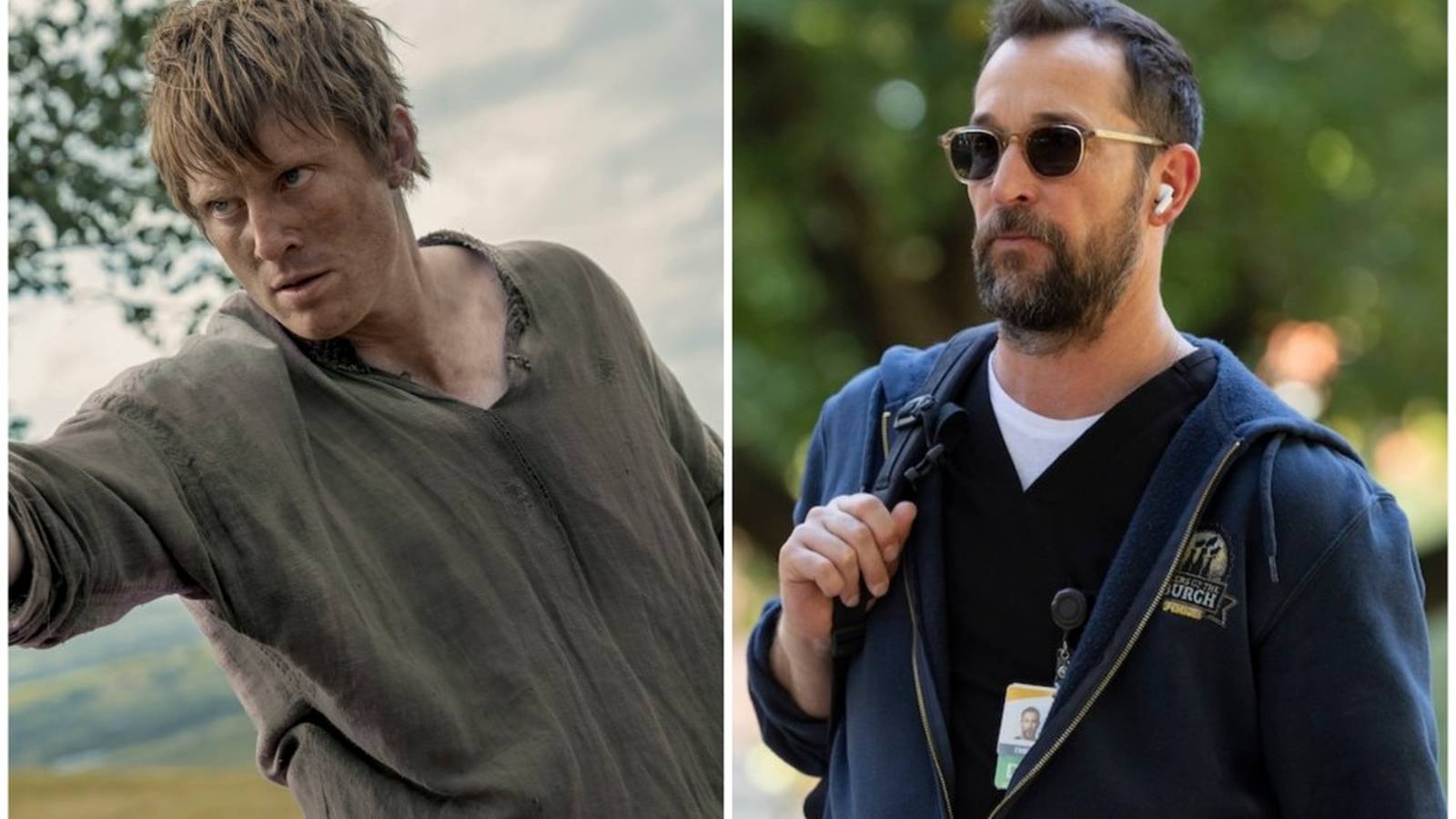
According to figures released by HBO, A Knight of the Seven Kingdoms is averaging nearly 13 million U.S. viewers per episode, a testament to its widespread appeal. This strong performance places it ahead of other HBO hits, including the Emmy-winning medical drama The Pitt, which is currently averaging 12 million viewers in its second season. Viewer engagement has also shown consistent growth, with three-day viewership for each episode increasing week over week, a trend only briefly interrupted by Episode 4’s early airing due to Super Bowl LX on February 8, as reported by Variety.
Unveiling Westeros’s Deep Lore
Beyond its commercial triumph, A Knight of the Seven Kingdoms is enriching the Game of Thrones universe by bringing lesser-known but critical historical events to the forefront. Episode 5, in particular, offered an extended flashback to Ser Duncan “Dunk” the Tall’s (Peter Claffey) youth, referencing a major conflict known as the Blackfyre Rebellion. Young Dunk (Bamber Todd) remarks that “the war is over. The Black Dragon’s dead,” sparking viewer curiosity about this significant period.
The Blackfyre Rebellion, which occurred in 196 AC (after Aegon’s conquest), approximately 13 years before the events at the Ashford Meadow tourney, was a Seven Kingdoms-wide conflict mirroring the dynastic struggles seen in House of the Dragon. It pitted King Daeron II Targaryen against his half-brother, Daemon I Blackfyre. Daemon was a legitimized bastard son of Aegon IV Targaryen, who had heavily favored him, even bestowing upon him Aegon the Conqueror’s ancestral sword, Blackfyre. Daemon subsequently adopted Blackfyre as his surname and his sigil: a black dragon on a red field, the inverse of the traditional Targaryen emblem, earning him the moniker “the Black Dragon.” The rebellion ultimately concluded with Daeron II’s decisive victory at the Battle of Redgrass Field, where Daemon and his twin sons perished, though the Blackfyre pretenders would continue to challenge the Iron Throne for generations from the Free Cities, as detailed by Mashable.
Targaryen Lineage and Key Connections
The series also provides crucial insights into the Targaryen family tree, revealing significant connections to beloved characters from Game of Thrones. The young squire Egg (Dexter Sol Ansell) is dramatically revealed to be Aegon Targaryen, Prince Aerion’s brother, during a pivotal moment in Episode 3. Egg, who had been concealing his royal lineage while serving Dunk, is the son of Maekar Targaryen and nephew to Baelor Targaryen, who holds the esteemed position of Hand of the King and is heir to the Iron Throne.
These revelations place Egg directly in the ancestral line of prominent figures. He is the great-grandfather of Daenerys Targaryen (Emilia Clarke) and Viserys Targaryen (Harry Lloyd). Furthermore, through his lineage, Egg is the great-great-grandfather of Jon Snow (Kit Harrington), whose true parentage as the son of Lyanna Stark and Rhaegar Targaryen links him to the Targaryen dynasty. The series also traces its roots back to Rhaenyra Targaryen, portrayed in House of the Dragon, as Egg’s great-great-great grandmother. Adding another layer of continuity, author George R. R. Martin confirmed in 2016 that Brienne of Tarth (Gwendoline Christie) is a direct descendant of Ser Dunk the Tall, tying the prequel directly to the future events of Westeros, according to NJ.com.
The Road to the Season One Finale
A Knight of the Seven Kingdoms is set during a comparatively peaceful era in Westeros, chronicling the adventures of Ser Dunk and his young squire Egg as they navigate the world of jousting tournaments, most notably at Ashford Meadow. The series has skillfully blended the personal journey of its protagonists with the broader historical and political landscape of the Seven Kingdoms, making these deep dives into lore feel integral to the narrative.
As the season one finale airs on February 22, viewers are eagerly anticipating how the current storylines will resolve and what further historical details might be uncovered. The show’s ability to maintain high viewership and generate keen interest in the intricate history of Westeros underscores its success in expanding the beloved fantasy franchise.
The strong performance of A Knight of the Seven Kingdoms not only affirms the enduring appeal of the Game of Thrones universe but also demonstrates HBO’s strategic success in leveraging its established IP to explore rich, untold stories. By focusing on critical, previously peripheral historical events and reinforcing familial connections, the series effectively broadens the scope of Westerosi lore while satisfying both new viewers and long-time fans with compelling narrative depth and high production value.