
Quick Read
- Ace Bailey, Utah Jazz’s No. 5 pick, has shown both star potential and struggles with foul trouble.
- Bailey fouled out in just 10 minutes against the Chicago Bulls, leading fans to wonder if he was injured.
- He rebounded with a strong start against the Timberwolves: 10 points, 7 rebounds, 2 assists, and 3 steals in 28 minutes.
- Coach Will Hardy praised Bailey’s athleticism and adherence to the team system.
- Utah Jazz faces ongoing lineup instability due to injuries and shooting struggles.
Ace Bailey: The Jazz’s New Hope Faces Early Challenges
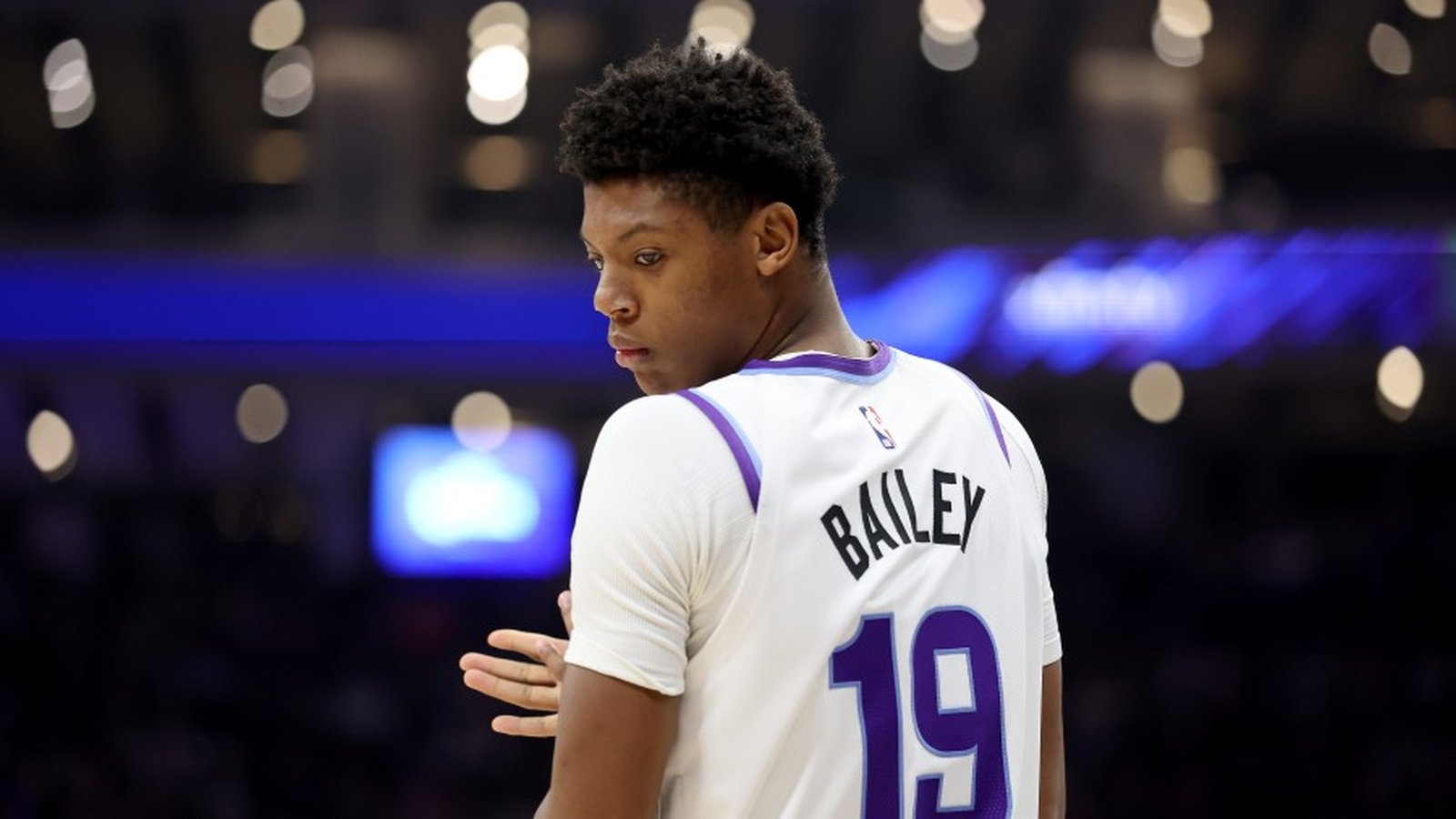
In the unpredictable world of NBA rookies, Ace Bailey’s journey with the Utah Jazz has been nothing short of dramatic. Drafted fifth overall in the 2025 NBA Draft out of Rutgers, Bailey entered the league with high expectations and a reputation for athletic dynamism. Early in the season, Jazz fans have witnessed both the promise and the pitfalls of his rookie campaign.
Bailey’s recent performances have been a study in contrasts. Against the Indiana Pacers and Atlanta Hawks, he showcased the kind of star potential that gets fanbases buzzing: 20 points, 4 rebounds, 1 assist on 53.8% shooting against Indiana; 21 points, 5 rebounds, 3 assists, and 2 steals on an impressive 61.5% from the field versus Atlanta. The efficiency, the versatility, the ability to contribute on both ends — these are the building blocks of a future franchise cornerstone.
Foul Trouble Overshadows Breakout Moments
But the NBA is a relentless proving ground. Bailey’s bright start hit a snag in the high-octane double-overtime battle against the Chicago Bulls. Fans watched in disbelief as he picked up five fouls in nine minutes, and then, almost immediately after returning to the court, a sixth and disqualifying foul. His stat line for the night: 5 points, 1 rebound, 1 block, shooting 40% from the field. The abrupt exit led fans to wonder if he was injured, but it was simply a rookie learning curve — an overzealous defensive approach against experienced opponents.
The Sporting News and Yahoo Sports captured the confusion and concern among Jazz supporters. Bailey’s rapid foul accumulation drew attention not just for its statistical oddity but for what it represented: a talented young player, eager to make his mark, still learning the boundaries of NBA physicality and officiating.
Signs of Promise Amid Team Struggles
Bailey’s rookie season isn’t defined by just one game. In a recent start against the Minnesota Timberwolves, he again demonstrated resilience. Despite missing his first three shots, he found his rhythm and finished with 10 points, 7 rebounds, 2 assists, and 3 steals in a career-high 28 minutes. Jazz head coach Will Hardy was quick to praise Bailey’s adherence to the team’s offensive system and his visible athleticism. Key moments included a challenging one-foot fadeaway jumper and an electrifying reverse dunk on a fast break. Bailey himself reflected, “I feel like I played to my full capability,” underscoring his commitment to contributing on both ends of the floor (SSBCrack News).
Yet, the Jazz’s broader struggles have complicated Bailey’s development. Injuries to key frontcourt players, including Walker Kessler, have forced the team to shuffle lineups and rely on their rookie for extended minutes. Utah’s shooting woes — among the league’s worst in three-point efficiency despite high volume — have made it difficult for the team to capitalize on Bailey’s athleticism and energy. Coach Hardy acknowledged the challenge, pointing to the need for more paint pressure and consistent perimeter scoring.
Utah’s Balancing Act: Development vs. Winning
Utah Jazz are in a delicate position. The team’s front office, aware of a stacked upcoming draft class, faces the perennial dilemma: tank for top picks, or chase immediate success with a promising young roster? Games like the double-overtime thriller against Chicago, where Keyonte George exploded for 34 points and Lauri Markkanen dropped a staggering 47, remind fans just how fun winning can be. But Bailey’s foul trouble and the team’s defensive lapses are reminders of why patience is essential in a rebuild.
Bailey’s presence in the starting lineup is both a necessity and a calculated risk. His recent games have fans and analysts debating his star potential versus his need for discipline. The Jazz’s thin frontcourt has also thrust players like Kyle Filipowski into the spotlight, demanding quick adaptation from rookies and sophomores alike.
Looking ahead, Utah’s challenge is clear: find stability in the lineup, nurture Bailey’s growth, and address glaring weaknesses in defense and shooting. The return of Isaiah Collier offers hope for improved penetration and offensive variety, but much of the team’s future hinges on Bailey’s ability to avoid foul trouble and harness his athletic gifts.
Bailey’s Journey: Promise, Pressure, and Perspective
Rookie seasons are rarely smooth. Ace Bailey’s early months with the Jazz have been a whirlwind of highlights and hard lessons. His dazzling dunks and energetic play have electrified the fanbase, while his struggles with fouls offer a humbling counterpoint. Bailey is not injured, as some feared; he is simply learning, adapting, and growing.
In the words of coach Hardy, Bailey’s adherence to the system and his athletic flashes are reasons for optimism. As the Jazz continue their search for stability and a winning formula, Bailey’s development will remain a focal point — a microcosm of the team’s own journey through adversity and ambition.
Assessment: Ace Bailey’s rookie experience is a vivid illustration of the learning curve faced by talented newcomers in the NBA. His flashes of brilliance show real star potential, but his foul trouble is a reminder that growth is rarely linear. For the Jazz, balancing Bailey’s development with team needs will be crucial — patience, discipline, and opportunity will define both his trajectory and Utah’s future success.