
Quick Read
- ACME Solar received a GST demand notice for Rs 149.73 crore covering a four-year period.
- The company commissioned the third phase of its 250 MW BESS project in Rajasthan, adding 11.429 MW to its total capacity.
- Market volatility on March 30 saw Indian indices drop over 1.5%, affecting energy sector stocks.
ACME Solar Holdings is navigating a period of significant operational and regulatory flux as the company simultaneously expands its renewable infrastructure and addresses a major tax compliance challenge. On March 30, 2026, the company confirmed it received a show cause cum demand notice from the Directorate General of GST Intelligence, alleging a short payment of Rs 149.73 crore covering the period from April 2021 to March 2025.
Regulatory Scrutiny and Financial Implications
The GST notice represents a notable hurdle for the company, which has been under market pressure during a broader downturn in Indian indices. While ACME Solar has stated its intention to contest the tax demand, the potential financial impact and the timing of the notice have drawn investor attention. This regulatory development coincides with a challenging day for the broader market, as the Nifty 50 and BSE Sensex both recorded declines exceeding 1.5% on March 30, with energy-related stocks facing downward volatility.
Infrastructure Growth in Rajasthan
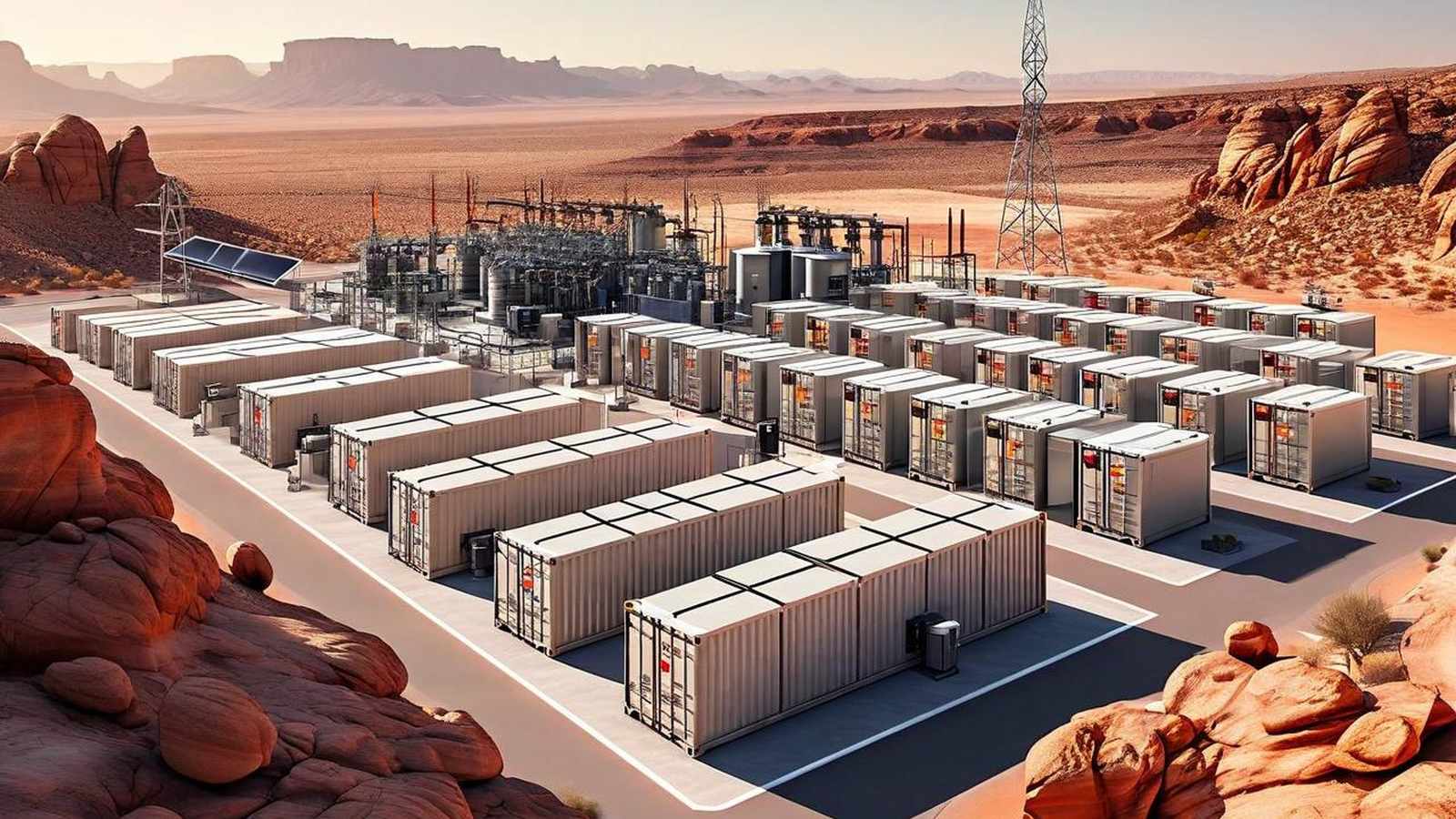
Despite the regulatory headwinds, ACME Solar continues to execute its strategic roadmap for renewable energy. On March 31, 2026, the company successfully commissioned the third phase of its Battery Energy Storage System (BESS) project in the Bikaner district of Rajasthan. This 11.429 MW addition brings the total commissioned capacity of the facility to 107 MW. The project is a critical component of the company’s broader 250 MW BESS mandate, serving as a test case for its ability to scale storage solutions in India’s energy-intensive regions.
Market Sentiment and Operational Outlook
Investor response to these concurrent events remains mixed. While the company has seen a 33.90% increase in stock value over the past year, recent trading sessions have reflected the volatility of the wider sector. Analysts are closely monitoring how the company balances its aggressive infrastructure rollouts against legal and tax-related liabilities. The BESS project, in particular, is viewed as a potential revenue driver that could influence future power purchase agreement negotiations, provided that the company maintains its current pace of execution.
The confluence of a significant tax notice and the steady advancement of the Bikaner BESS project highlights the dual reality facing renewable energy firms in 2026: while technical operational success remains consistent, firms are increasingly vulnerable to retrospective regulatory audits that can dampen investor sentiment and complicate capital allocation strategies.