
Quick Read
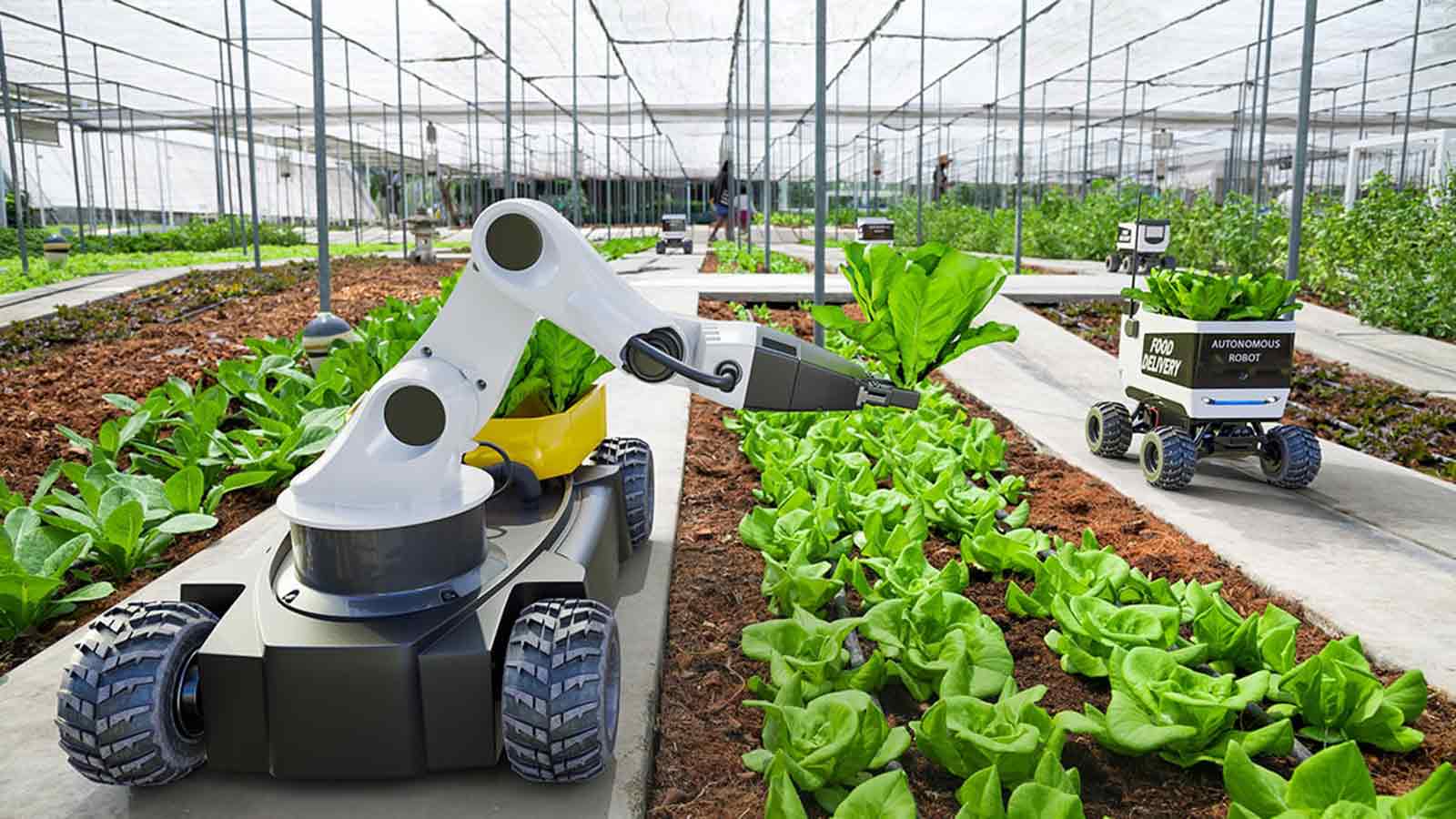
- AI robots like Element are transforming agriculture by addressing labor shortages and reducing herbicide use.
- A hacker dubbed ‘Pied Piper’ stole over 100 robot lawnmowers in Surrey, England, exposing security vulnerabilities.
- The rise of AI robotics highlights the need for robust cybersecurity measures and user awareness.
Artificial intelligence (AI) continues to reshape industries worldwide, and agriculture is no exception. As labor shortages and environmental concerns mount, AI-powered robots are stepping in to fill critical gaps in farming operations. However, alongside their revolutionary potential, these machines are also facing unexpected challenges, including theft and cybersecurity vulnerabilities.
AI Robots in Agriculture: A Solution to Labor Shortages
In the sun-scorched cotton fields of California, a new breed of agricultural robots is making waves. Developed by the startup Aigen, these robots—named Element—are designed to autonomously identify and remove weeds without the need for herbicides. Powered by solar energy and advanced AI algorithms, Element offers farmers a cost-effective and environmentally friendly solution to weed management. “I really believe this is the biggest thing we can do to improve human health,” said Richard Wurden, co-founder and chief technology officer of Aigen, in an interview with eNCA on July 6, 2025.
The deployment of such robots addresses a critical issue in modern farming: the shortage of skilled labor. With fewer workers available and weeds increasingly resistant to traditional herbicides, the agricultural sector has been searching for innovative solutions. Robots like Element not only fill this gap but also help reduce the reliance on harmful chemicals, promoting a healthier food supply and a more sustainable environment.
The Dark Side: Theft and Cybersecurity Threats
While AI robots are proving invaluable in agriculture, their adoption has also exposed vulnerabilities. In a bizarre yet alarming case, over 100 robot lawnmowers were reported stolen in an affluent neighborhood in Surrey, England, over the past month. Dubbed the “Pied Piper,” the hacker responsible for these thefts demonstrated a high level of sophistication, using GPS and other tracking systems to reroute the robots to unknown locations. Some devices were last tracked as far away as Vladivostok, according to a report by NewsBiscuit on July 6, 2025.
Residents described the thefts as both inconvenient and unsettling. Araminta, a local resident, explained how her family initially thought their robot lawnmower had simply malfunctioned. “We thought it had got lost or stuck somewhere,” she said. “Our butler sent the servants out to find it, but no luck.” The thefts have forced some residents to resort to unconventional alternatives, such as borrowing sheep for lawn maintenance—a humorous yet impractical solution.
This incident highlights a significant challenge in the deployment of AI robots: cybersecurity. As these machines become more integrated into everyday life, the risk of hacking and theft increases. Experts warn that without robust security measures, the benefits of AI robotics could be undermined by malicious actors.
Balancing Innovation and Security
The dual narrative of AI robots as both saviors and targets underscores the complexity of integrating advanced technology into traditional industries. On one hand, these machines offer transformative benefits, from reducing labor shortages to minimizing environmental impact. On the other hand, their reliance on sophisticated software and connectivity makes them vulnerable to cyber threats.
Addressing these issues requires a multi-faceted approach. Developers must prioritize cybersecurity in the design and deployment of AI robots, while users need to be educated on best practices for protecting their devices. Additionally, governments and regulatory bodies have a role to play in establishing guidelines and standards to ensure the safe and ethical use of this technology.
As AI robots continue to evolve, their potential to revolutionize industries like agriculture remains undeniable. However, realizing this potential will depend on our ability to navigate the challenges and risks that come with such transformative innovation.