
Quick Read
- The Air Force will implement new physical fitness standards starting January 2026, with official scored testing in September 2026.
- The revised assessment includes four categories: cardiorespiratory fitness, waist-to-height ratio, muscle strength, and core endurance.
- A two-mile run replaces the previous 1.5-mile run; testing frequency increases to every six months.
- The changes aim to address high rates of overweight personnel and promote year-round health.
- A new guide, ‘The Warfighter’s Fitness Playbook,’ offers holistic support for the new standards.
Air Force Launches Comprehensive Fitness Overhaul
For decades, the Air Force’s physical fitness test was a familiar, if sometimes dreaded, ritual for airmen and guardians: push-ups, sit-ups, and a 1.5-mile run, administered once a year. But that era is ending. On September 24, 2025, Air Force officials announced a sweeping transformation of the service’s physical fitness standards—the most ambitious update in years.
Starting January 1, 2026, airmen across the Total Force—including the Air National Guard and Air Force Reserve—will begin transitioning to a new assessment regime. This isn’t just a tweak. It’s a ground-up redesign, with fresh demands that reach far beyond the old metrics.
Four Pillars of Fitness: The New Standards
Under the revised system, every airman will be evaluated in four key categories:
- Cardiorespiratory fitness
- Waist-to-height ratio
- Muscle strength
- Muscle core endurance
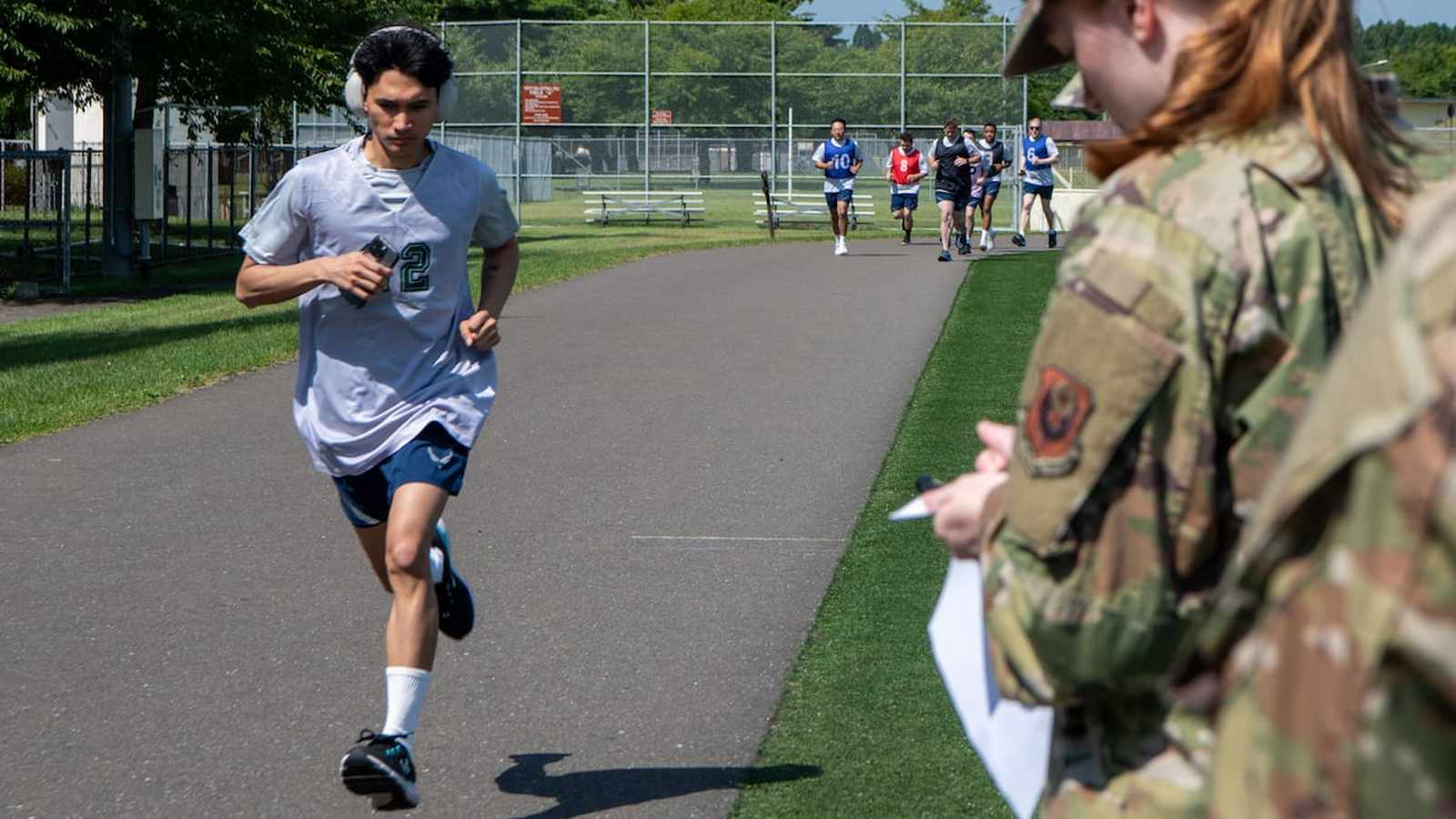
One of the most striking changes is the introduction of a two-mile run, replacing the traditional 1.5-mile distance. The test will be mandatory every six months—doubling the previous frequency—and installation commanders will have the option to conduct mass testing events twice a year. The transition period starts in January, but scored assessments will begin in September 2026, giving airmen time to adapt.
Why Now? Addressing a Health Crisis
The motivation behind this overhaul is as urgent as it is clear. According to a study released in April 2025 and cited by Military Times, more than two-thirds of Guard and Reserve troops are now overweight. The numbers stunned officials and sparked a flurry of concern across the Department of the Air Force.
Secretary of War Pete Hegseth didn’t mince words. In a widely-shared post on X, he wrote: “Completely unacceptable. This is what happens when standards are IGNORED — and this is what we are changing. REAL fitness & weight standards are here. We will be FIT, not FAT.”
The new standards are also a cornerstone of the Air Force’s recently announced “Culture of Fitness” initiative, which aims to build a force that is not only ready for the rigors of combat, but healthier and more resilient in everyday life. That means greater emphasis on proactive health management, nutrition, and sleep—areas that, until now, have often taken a back seat to raw physical testing.
‘Warfighter’s Fitness Playbook’: A New Guide for Airmen
To help airmen meet these demands, the service has published a new guide: “The Warfighter’s Fitness Playbook.” This isn’t just a pamphlet of workout tips. The playbook offers a holistic approach, outlining detailed exercise regimens, nutritional guidance, and even a sleep diary—reminding airmen that fitness is a year-round commitment, not a box to be checked on test day.
As the guide states, “Your physical fitness, health, nutrition, and sleep are all critical components of your performance and effectiveness as an Airman or Guardian. Maintaining overall fitness isn’t a temporary goal—it’s a year-round commitment.”
The message is clear: fitness in the Air Force is no longer about passing a test, but about sustaining a lifestyle.
What Will Change for Airmen?
For some, the new rules will be a wake-up call. The shift from annual to biannual testing means there’s less room to slack off between assessments. The two-mile run will require more endurance and preparation than its predecessor. And the addition of body composition metrics—like the waist-to-height ratio—signals a move away from one-size-fits-all standards, toward a more nuanced understanding of health.
Airmen will also see changes in how and when they’re tested. Commanders now have flexibility to conduct mass fitness assessments, allowing units to train and compete together—a nod to the camaraderie and esprit de corps that physical training can foster.
Reactions Across the Force
Initial reactions have been mixed. Some airmen welcome the changes, seeing them as a long-overdue correction to falling standards. “It’s about time we got serious,” said one non-commissioned officer at Misawa Air Base, Japan. Others worry about the added stress and logistical challenges, especially for reservists balancing civilian careers.
Health experts, however, largely applaud the move. “This aligns the Air Force with modern science around fitness and performance,” said Dr. Karen Phillips, a military health researcher. “It’s not just about running fast—it’s about being healthy, resilient, and ready for anything.”
Looking Ahead: A New Era for the Air Force
With the transition period set to begin in January 2026, units across the globe are already preparing. Some are organizing extra group workouts, while others are offering nutrition seminars or mental health support sessions.
Commanders will be watching closely—not only to ensure compliance, but to monitor how the new standards affect readiness, morale, and even retention. There will be growing pains, and perhaps resistance from those unaccustomed to change. But the message from the top is unmistakable: fitness is mission-critical.
As the Air Force turns the page, one thing is certain. The days of coasting through a once-a-year test are over. What replaces them is a relentless, holistic push for health and readiness—one that may well define the next generation of airmen and guardians.
Assessment: The Air Force’s overhaul of its physical fitness standards is more than an administrative adjustment—it’s a cultural pivot. By tying health, nutrition, and mental well-being into the definition of readiness, leadership is signaling that the force’s greatest asset is not its hardware, but its people. If the service can sustain this momentum, it may not only reverse troubling trends in health, but also set a standard for the rest of the military—and the nation itself.