
Quick Read
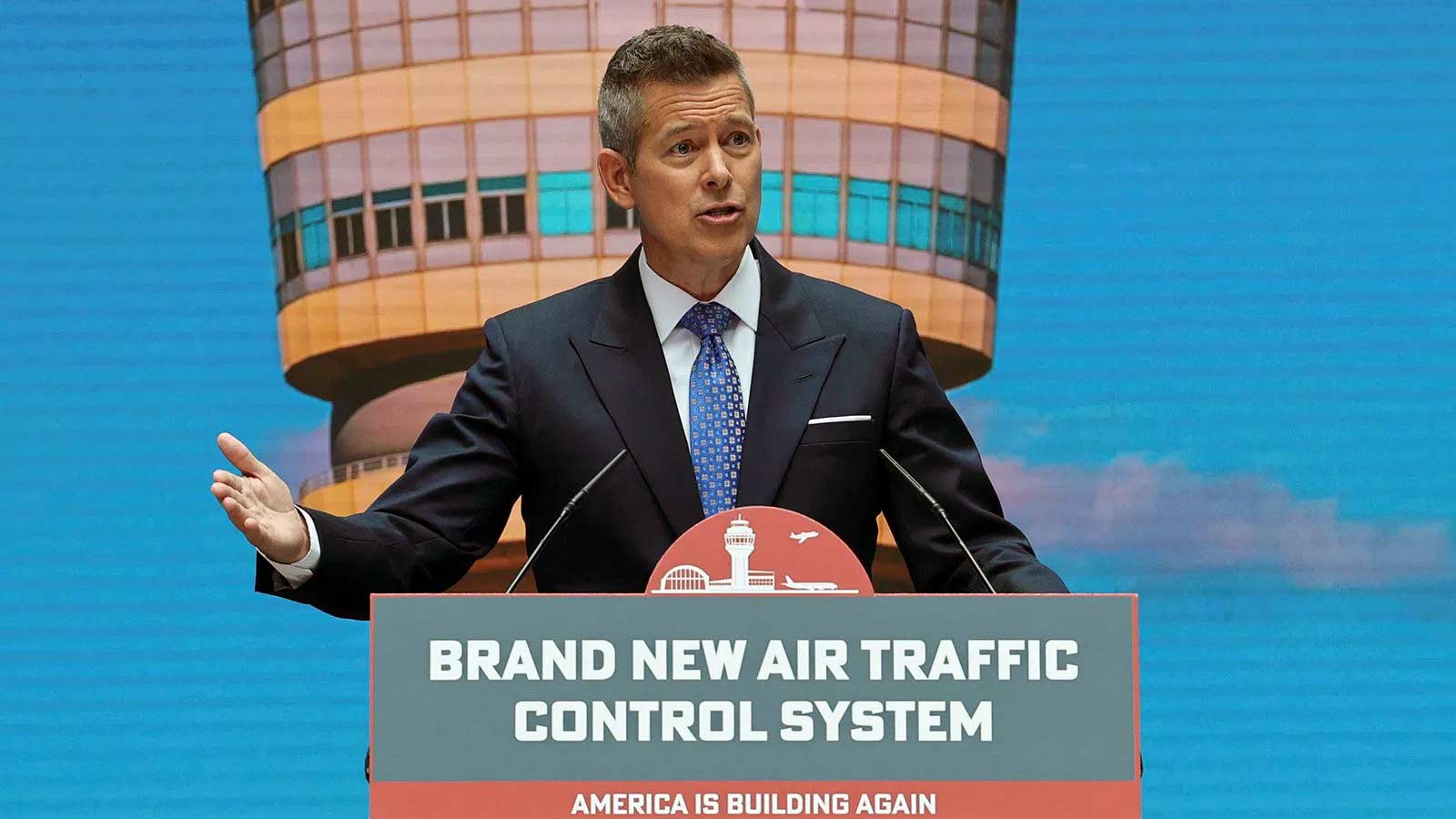
- Transportation Secretary Sean Duffy announced a plan to overhaul the U.S. air traffic control system by 2028.
- The initiative will replace outdated technology, including copper wiring, with modern fiber, wireless, and satellite networks.
- The plan includes building six new air traffic control centers and deploying over 25,000 new radios.
- Staffing shortages remain a challenge, with incentives being introduced to attract and retain air traffic controllers.
- Congressional approval is required for funding and permitting reforms to ensure timely completion.
Transportation Secretary Duffy Unveils Ambitious Air Traffic Control Overhaul
In a move aimed at addressing decades of underinvestment and technological obsolescence, U.S. Transportation Secretary Sean Duffy announced a comprehensive plan to modernize the nation’s air traffic control system by 2028. The announcement follows a series of alarming incidents, including a recent communications blackout at Newark Liberty International Airport that underscored the urgent need for infrastructure upgrades.
Key Features of the Modernization Plan
The proposed overhaul will focus on replacing outdated hardware and software with state-of-the-art technology. Key components include:
- Replacing antiquated copper wiring with modern fiber, wireless, and satellite networks across 4,600 sites.
- Deploying over 25,000 new radios and 475 voice switches to improve communication between pilots and controllers.
- Upgrading 618 radars, many of which date back to the 1970s and 1980s, by 2027.
- Building six new air traffic control centers, the first such construction since the 1960s.
- Expanding surface awareness technology to 200 airports to mitigate ground-level incidents.
In addition, the plan includes installing 174 new weather stations in Alaska to enhance aviation safety in the region.
Addressing Staffing Shortages
One of the most pressing challenges facing the Federal Aviation Administration (FAA) is a severe shortage of air traffic controllers. According to the National Air Traffic Controllers Association, the current workforce of 10,800 certified controllers falls significantly short of the 14,300 recommended by the FAA’s Collaborative Resource Workgroup. To address this, the Department of Transportation (DOT) has introduced incentives such as $5,000 bonuses for new hires who complete initial training.
“Decades of neglect have left us with an outdated system that is showing its age,” Duffy stated. “Building this new system is an economic and national security necessity.”
Congressional Support and Funding
For the plan to succeed, Congressional approval is essential. Duffy has called for upfront appropriations and reforms to government permitting processes to ensure timely completion. The House Transportation and Infrastructure Committee estimates the overhaul will cost $12.5 billion, though Duffy suggests the final figure may be higher.
“We’re confident that the system remains extremely safe,” said President Donald Trump, who expressed support for the initiative during the announcement. “A complete modernization is going to soon be taking place.”
Industry Reactions
The announcement has garnered mixed reactions from industry stakeholders. United Airlines CEO Scott Kirby expressed optimism, citing Duffy’s action-oriented approach as a potential game-changer. However, some experts remain skeptical, pointing to past failed attempts to modernize the system.
“Unless you do it right, it doesn’t make a difference what you spend,” said aviation analyst Robert W. Mann Jr. “You won’t have solved the root causes.”
Historical Context and Challenges
The U.S. air traffic control system has faced decades of challenges, from aging infrastructure to staffing shortages exacerbated by the COVID-19 pandemic. A 2024 Government Accountability Office report found that 51 of the FAA’s 138 systems were unsustainable, with 58 posing critical operational risks. High-profile incidents, such as the 2023 NOTAM system outage and a 2014 sabotage at the FAA Chicago En Route Center, have further highlighted vulnerabilities.
“The system’s staffing problems started when Ronald Reagan fired over 10,000 air traffic controllers in 1981,” said Sara Nelson, president of the Association of Flight Attendants. “We’ve improved over time, but the FAA still has grave difficulty staffing facilities.”
The success of the modernization plan hinges on effective implementation and sustained funding. As the DOT works to address both technological and staffing challenges, the initiative represents a critical step toward ensuring the safety and efficiency of the U.S. airspace for decades to come.
Source: CNN, Government Accountability Office, United Airlines, National Air Traffic Controllers Association