
Quick Read
- Etihad Airways to introduce Airbus A321LR on Kolkata–Abu Dhabi route in September 2025.
- Air Lease revisits its order for seven Airbus A350F freighters amid market shifts.
- Airbus secures a contract with Hisdesat to build PAZ-2 radar satellites.
- The Airbus A380, known for its quiet cabin, faces a gradual phase-out.
Airbus, a leader in the global aviation and aerospace industry, is making significant strides across various sectors. From introducing next-generation passenger aircraft to securing major contracts in satellite technology, the European giant is poised to expand its influence further. In recent weeks, developments such as Etihad Airways upgrading its aircraft fleet, Air Lease revising its freighter orders, and a new satellite deal with Hisdesat have made headlines.
Etihad Airways Introduces Airbus A321LR on Key Route
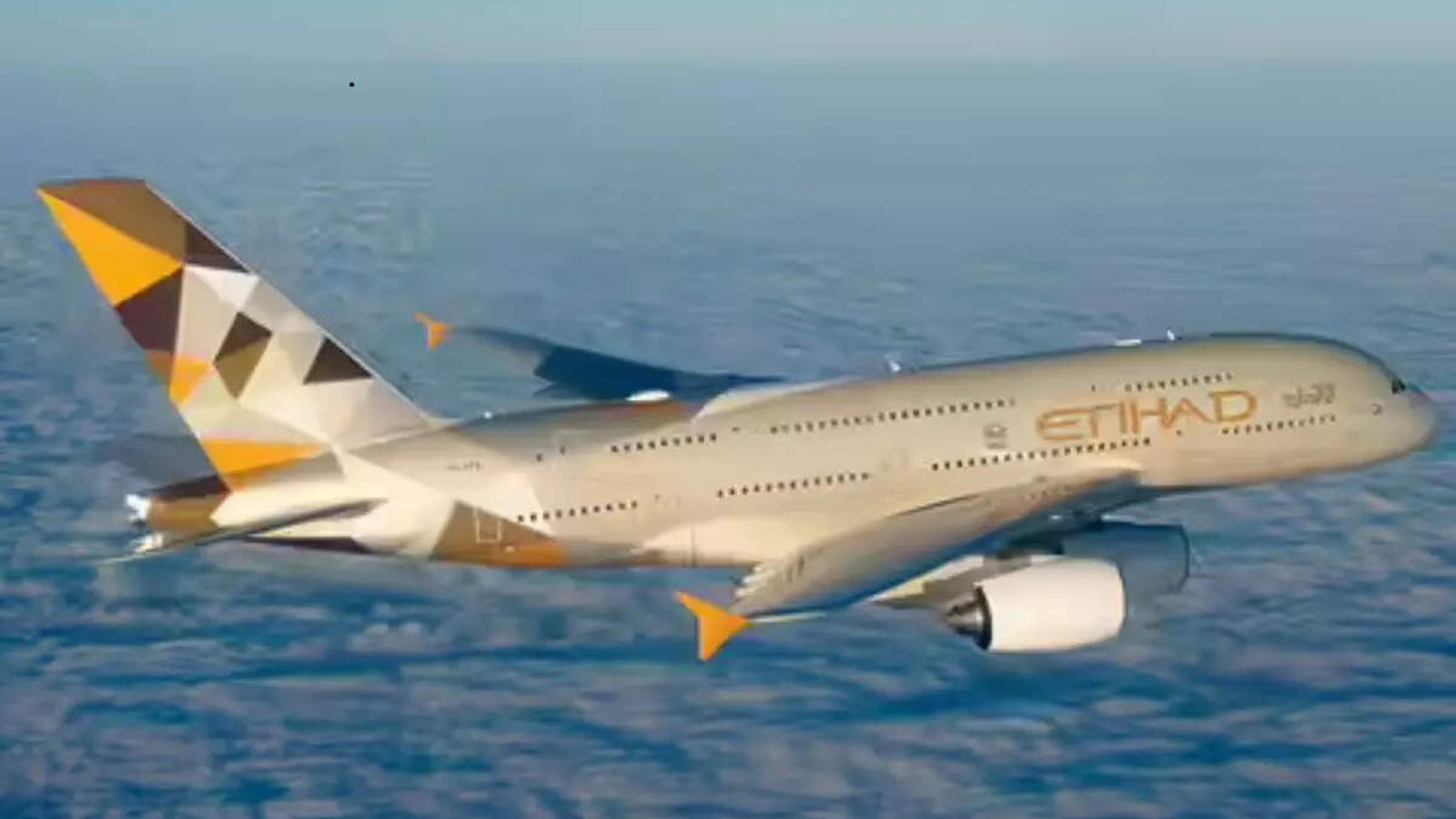
In an effort to enhance passenger experience and strengthen its foothold in the Indian aviation market, Etihad Airways announced on July 9, 2025, that it will deploy the Airbus A321LR on its Kolkata–Abu Dhabi route starting September 26, 2025. The move replaces existing aircraft on the route and promises upgraded in-flight experiences across all cabin classes.
According to Economic Times, the A321LR features First Class Suites, lie-flat Business Class seats, and next-generation Economy seating. Passengers can also enjoy 4K seatback touchscreens, high-speed WiFi, and improved cabin space. Arik De, Etihad’s Chief Revenue and Commercial Officer, stated, “This investment underlines our ongoing commitment to providing world-class service and greater connectivity across the Indian subcontinent.”
The A321LR is part of Airbus’s strategy to bring wide-body comfort to narrow-body aircraft, meeting evolving passenger expectations. The aircraft also boasts improved fuel efficiency, aligning with sustainability goals.
Air Lease Revisits Airbus A350F Orders Amid Market Shifts
Meanwhile, Air Lease Corporation, a major U.S.-based aircraft lessor, appears to have reconsidered its initial order for seven Airbus A350 freighters. As reported by Air Cargo News on July 9, 2025, the company, which had been the first to sign a provisional deal for the A350F in 2021, declined to confirm whether the order was canceled or converted to another model. Any updates are expected during the company’s second-quarter results on August 4.
The freighter market has undergone significant changes since the A350F order was placed during the pandemic-driven cargo boom. With a cooling cargo market and delays in the A350F program—now expected to launch in 2027—Air Lease’s decision reflects broader market dynamics. However, Airbus continues to secure new orders, including a deal with Saudi Arabia’s AviLease for 10 A350Fs, highlighting the long-term demand for wide-body freighters.
New Satellite Contract with Hisdesat
Beyond aviation, Airbus is also making advancements in space technology. On July 9, 2025, Airbus secured a contract with Spain’s Hisdesat to build the PAZ-2 satellites. These advanced radar satellites will support military and commercial applications, further cementing Airbus’s role as a key player in the aerospace industry.
According to Market Screener, Airbus’s expertise in satellite development continues to attract high-profile contracts, showcasing its diversified portfolio. With Europe accounting for 40.2% of its sales, Airbus remains a dominant force in the region’s aerospace and defense sectors.
Airbus A380: A Quiet Giant Facing Decline
Another area of focus for Airbus is the A380, the world’s largest passenger jet. Though production of the superjumbo has ceased, its design innovations, particularly its remarkably quiet cabin, continue to be celebrated. As detailed by Simple Flying, the A380’s high-bypass engines and advanced insulation make it quieter than many modern aircraft, offering a unique passenger experience.
However, the A380’s future is uncertain. With 12.6% of A380s already scrapped, airlines are gradually phasing out the model. Yet, some carriers like British Airways remain committed to the jet, using it for high-capacity routes. The dwindling number of A380s highlights the challenges of maintaining such a massive aircraft in a market increasingly favoring more efficient, smaller jets.
*From cutting-edge passenger aircraft to groundbreaking space projects, Airbus continues to redefine the boundaries of aviation and aerospace. As the company adapts to market trends and evolving technology, its global impact remains stronger than ever.*