
Quick Read
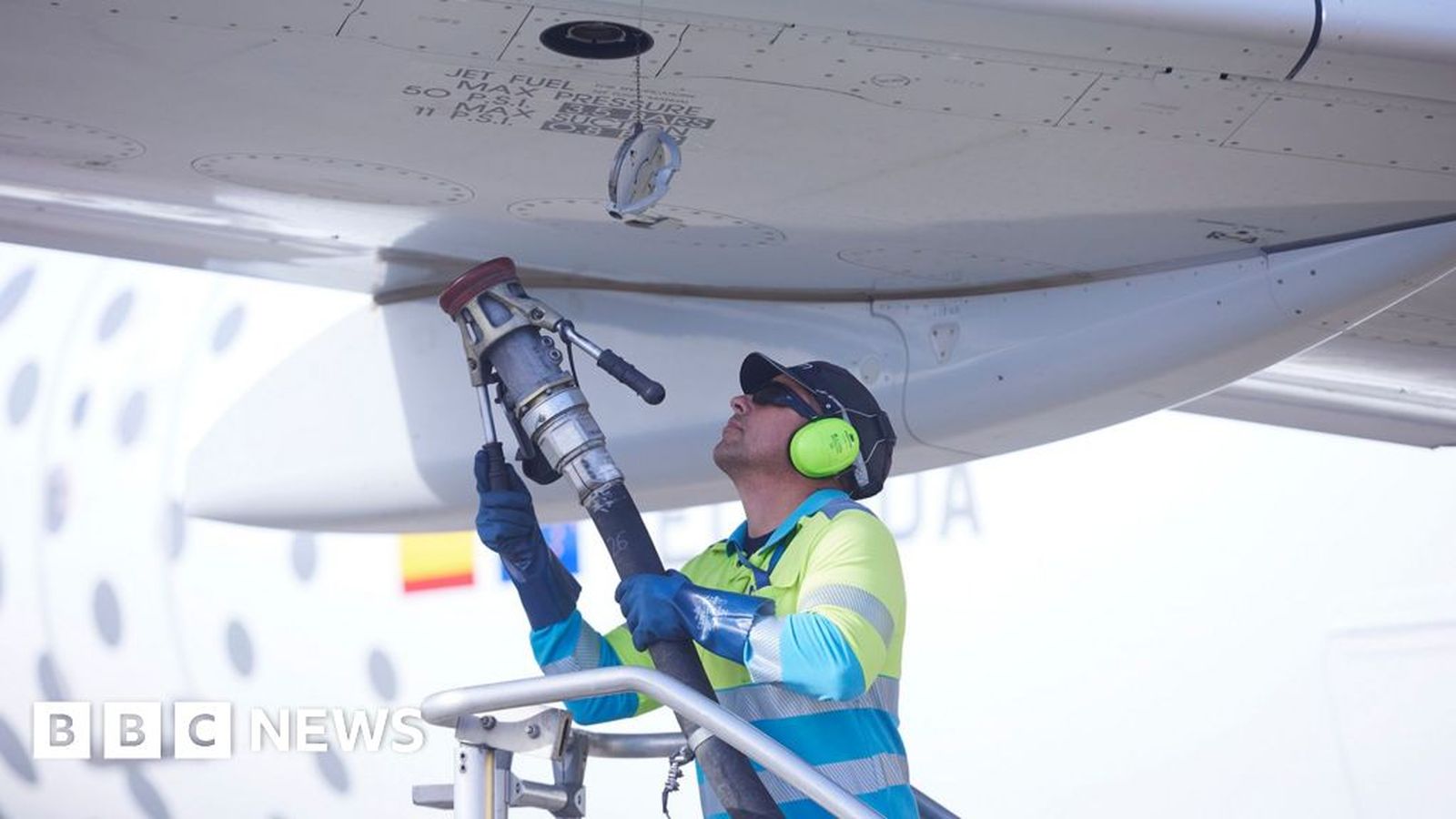
- The closure of the Strait of Hormuz threatens 50% of Europe’s aviation fuel supply, prompting warnings of systemic shortages.
- Southwest Airlines has implemented new restrictions on portable chargers due to a 42% rise in lithium battery-related incidents in 2025.
- The airline industry is facing a dual crisis of volatile fuel logistics and stricter internal oversight of crew conduct and passenger safety.
LONDON (Azat TV) – The European airline industry is bracing for a potential systemic collapse in jet fuel availability, with trade bodies warning that the closure of the Strait of Hormuz has shifted the crisis from a matter of high prices to a genuine threat of physical supply shortages. As of April 11, 2026, industry leaders are signaling that unless maritime passage through the vital Gulf artery resumes within three weeks, the stability of the entire European air travel network could be compromised.
The Strait of Hormuz Closure and Fuel Security
The Gulf region serves as the primary source for approximately 50% of Europe’s aviation fuel imports. Olivier Jankovec, Director-General of ACI Europe, has formally alerted European commissioners that the current reliance on market forces is insufficient to prevent a shortfall. The potential for a fuel drought poses a direct risk to regional connectivity, particularly for smaller airports that lack the logistical buffer to absorb supply volatility. The warning follows a sharp escalation in fuel costs, with benchmark European prices reaching an all-time high of $1,838 per tonne, a figure that has more than doubled since the onset of the current geopolitical instability.
Operational Transformations in the US Airline Sector
While Europe grapples with fuel logistics, major US carriers are simultaneously undergoing a significant transformation in cabin safety and passenger policy. Southwest Airlines has recently implemented strict new limits on portable chargers, restricting passengers to a single device and prohibiting the use of aircraft power outlets to recharge lithium-ion batteries. This move, which exceeds current international recommendations, comes amid a 42% surge in reported lithium battery-related incidents in 2025. Industry analysts note that these policy shifts reflect a broader, more conservative approach to risk management as airlines move toward standardized in-seat power solutions by 2027.
The Evolving Landscape of Airline Authority
The industry is also navigating heightened scrutiny regarding crew conduct and corporate oversight. A lingering legal battle involving a China Southern Airlines flight attendant, who was terminated over social media posts made during a ground delay, highlights the ongoing tension between personal expression and professional standards. As these diverse pressures—ranging from fuel supply chain bottlenecks to the digital-era regulation of on-duty behavior—converge, airlines are finding that their operational models require constant, often reactive, adjustments to maintain both safety and economic viability.
The confluence of geopolitical fuel supply risks and the increasing necessity for stringent onboard safety protocols suggests that the global airline industry is entering a period of forced structural change, where resilience and centralized intervention may soon outweigh traditional market-driven efficiency.