
Quick Read
- AirPods 4 introduces advanced noise cancellation and heart-rate monitoring.
- Live Translation feature is disabled in the EU due to regulatory concerns.
- Improved fit with five eartip sizes, including extra-extra-small.
- Battery life lasts up to 10 hours in transparency mode.
- Regulatory challenges may stifle innovation in the EU.
Apple has once again pushed the boundaries of personal audio technology with the release of the AirPods 4. Building on the success of its predecessors, this latest iteration introduces a suite of advanced features, including enhanced noise cancellation, real-time translation, and even heart-rate monitoring. However, despite the groundbreaking nature of these updates, regulatory hurdles in the European Union (EU) have put a damper on the rollout of some features, leaving users and analysts alike questioning the future of tech innovation under increasing legal scrutiny.
Redefining Sound and Fit
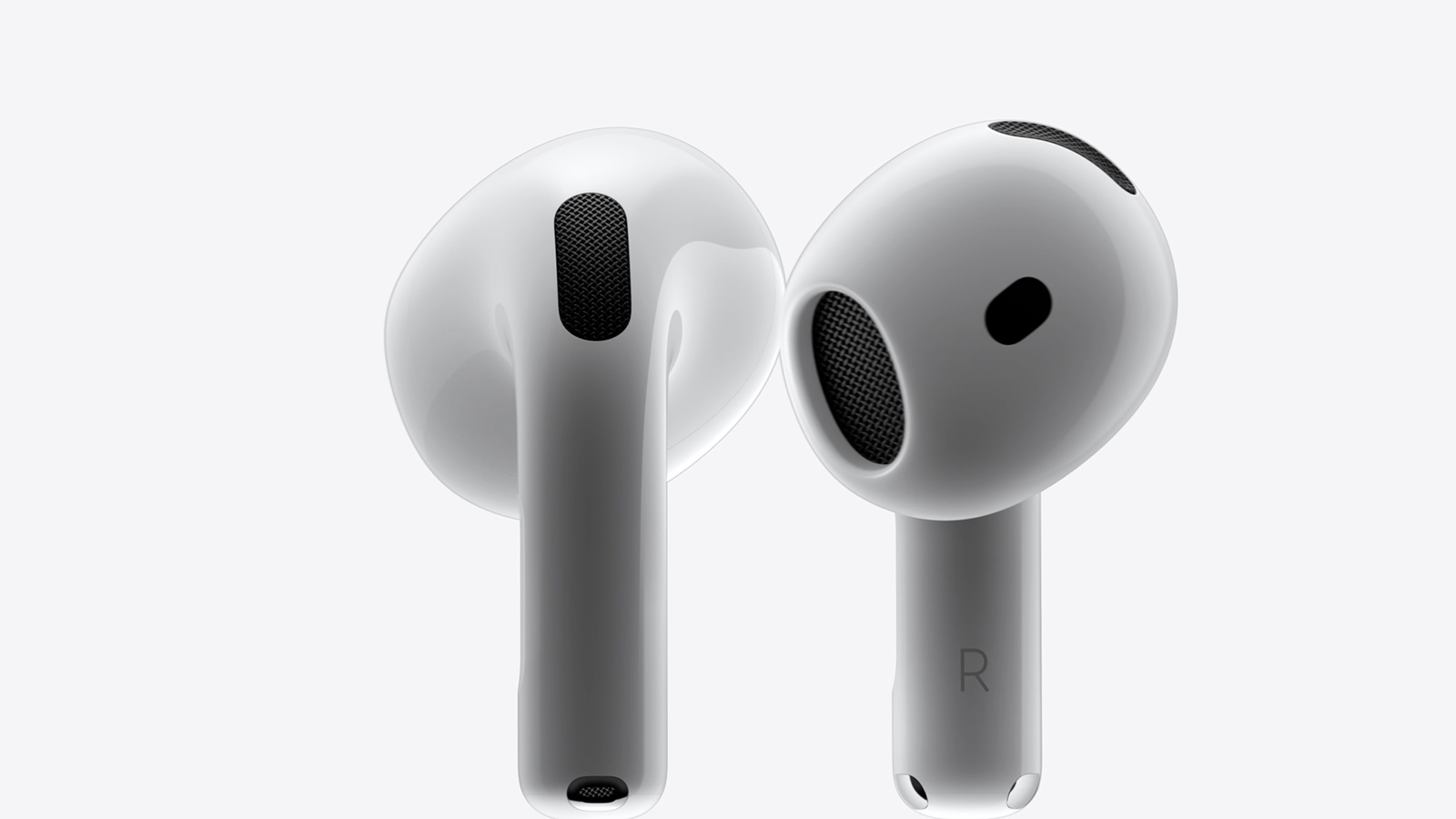
The AirPods 4 deliver a significant leap forward in sound quality and user comfort. Equipped with Apple’s H2 chip, these earbuds feature new 10.7mm drivers and an innovative multiport acoustic architecture, resulting in richer bass and clearer treble. Noise cancellation capabilities have doubled compared to the AirPods Pro 2, effectively silencing a wider range of frequencies, including the challenging mid and high ranges. Transparency mode has also been refined, offering a more natural listening experience.
Apple has reimagined the design of the AirPods 4 to improve their fit. The earbuds are slightly smaller, with redesigned eartips that come in five sizes, including a new extra-extra-small option, ensuring a secure and comfortable fit for a broader range of users. This snug fit is crucial for maximizing both noise-canceling performance and overall sound quality.
Live Translation: A Global Feature with Local Limitations
One of the most anticipated features of the AirPods 4 is Live Translation, which allows users to engage in real-time conversations across multiple languages. Powered by the H2 chip and Apple Intelligence running on iOS 26, the feature offers seamless translations directly to the user’s ears. However, this groundbreaking capability is conspicuously absent in the EU. Regulatory concerns stemming from the Digital Markets Act (DMA) have forced Apple to disable the feature for EU-based accounts, citing interoperability requirements with competitors’ devices.
While Apple has stated that data protection laws were not a factor in this decision, the absence of Live Translation in the EU has sparked frustration among users. The irony is not lost on many that the feature is particularly robust in European languages like French, German, and Spanish—languages that the majority of EU residents will not be able to utilize through this feature.
Health Monitoring Meets Audio Technology
In a move that blurs the lines between audio tech and health wearables, the AirPods 4 now include heart-rate monitoring capabilities. Using integrated sensors, the earbuds can track a user’s heart rate during workouts or throughout the day, providing valuable health data directly to the iPhone’s Health app. This feature positions the AirPods 4 as not just a listening device but a multipurpose gadget that caters to both entertainment and wellness needs.
Additionally, the AirPods 4 boast improved battery life, offering up to 8 hours of listening time with noise cancellation activated and up to 10 hours with transparency mode or hearing aid functionality. This ensures that users can enjoy extended use without frequent recharging, a welcome improvement for those constantly on the go.
Regulatory Challenges and the Future of Innovation
The EU’s Digital Markets Act, aimed at fostering competition and interoperability, has undeniably impacted Apple’s ability to roll out certain features. Last year, the company delayed the release of its generative AI tools across the EU for similar reasons. Critics argue that such regulations, while well-intentioned, may stifle innovation by forcing tech giants to dilute their proprietary advantages.
In contrast, markets outside the EU, including the United States and the United Kingdom, are enjoying the full spectrum of the AirPods 4’s capabilities. This disparity highlights the growing tension between regulatory frameworks and the rapid pace of technological advancement, raising questions about how companies like Apple will navigate these challenges moving forward.
While the AirPods 4 represent a masterclass in audio innovation, the limitations imposed by regulatory frameworks in the EU underscore the delicate balance between fostering competition and enabling groundbreaking technological progress. As Apple continues to innovate, the industry must grapple with how to reconcile these competing priorities.