
Quick Read
- Apple released AirPods 4 firmware update (version 8B21) in November 2025.
- Update includes unspecified bug fixes and improvements, with no new features announced.
- AirPods Pro 2 and AirPods 4 share the same firmware version; AirPods Pro 3 uses 8B25.
- Black Friday deals favor AirPods Pro 2 for audio quality and battery life over AirPods 4.
- Apple’s update process requires connecting to a device, powering the case, and waiting 30+ minutes.
AirPods 4 Firmware Update: Quiet Changes in a Noisy Market
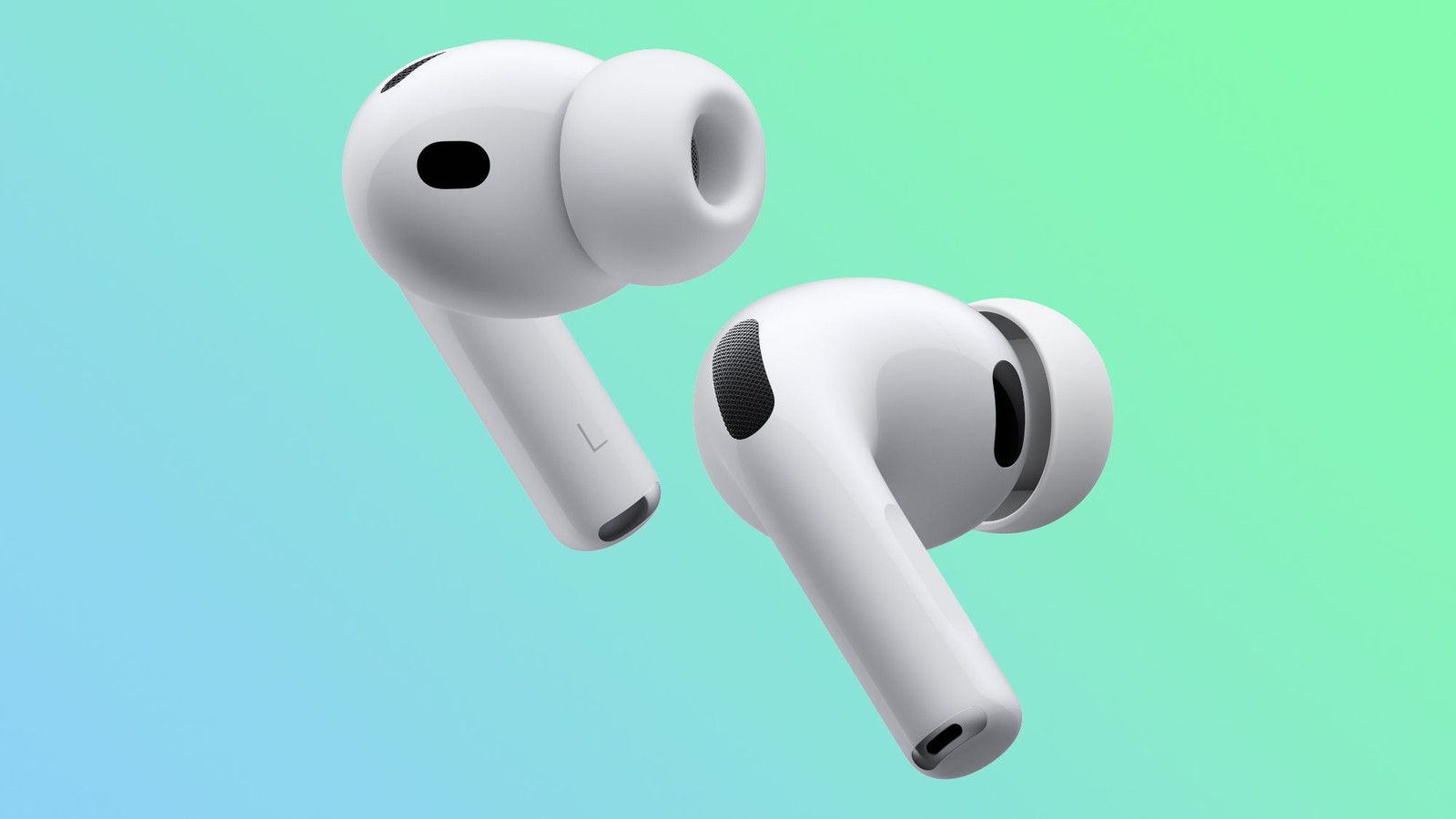
Apple’s latest firmware update for its AirPods lineup landed in mid-November 2025, bringing all AirPods 4 models, alongside AirPods Pro 2 and AirPods 3, up to speed with version 8B21. But unlike the fanfare that usually accompanies Apple’s product launches, this release was almost silent: no splashy features, no grand promises—just the familiar line, “bug fixes and other improvements.” MacRumors confirmed the absence of any headline additions, leaving users to wonder what’s really changed under the hood.
For many, the update process itself remains a bit of a mystery. Apple’s official instructions are methodical: connect your AirPods to a Bluetooth-enabled iPhone, iPad, or Mac, ensure the device is running the latest OS, hook up the charging case to power, close the lid, and wait—at least 30 minutes. After that, opening the case should reveal the new firmware version, though the actual differences may be invisible to most users.
Featureless, But Not Pointless: Why These Updates Matter
At first glance, it’s easy to dismiss updates that don’t promise new features. But in the world of wireless audio, stability is everything. Glitches can range from brief connection dropouts to persistent battery drain, and even minor improvements can translate to a smoother daily experience. Apple’s reticence to specify the fixes may frustrate power users, but for the average listener, a seamless connection and reliable playback are what matter most.
That said, the lack of transparency leaves room for speculation. Are there improvements to noise cancellation? Subtle tweaks to Bluetooth performance? Security patches? Apple’s “bug fixes” could mean any—or all—of these. Given the competitive landscape, it’s a safe bet the company is working to keep its hardware in top shape as it faces pressure from rivals and its own newer models.
AirPods 4 vs. the Competition: Black Friday Deals and Buyer Dilemmas
2025’s Black Friday season has thrown a spotlight on Apple’s entire audio lineup. According to a Newswav roundup of deals, AirPods Pro 2 are seeing some of their lowest prices ever—up to £60 off on Amazon. Tech reviewer David Phelan still gives the edge to AirPods Pro 2 over AirPods 4, citing better audio, longer battery life (six hours per charge versus five), and more intuitive touch controls. The older Pro model’s MagSafe case also wins points for convenience.
With new hardware like the AirPods Pro 3 and iPhone 17 now available, retailers are slashing prices on previous generations, making the choice between AirPods 4 and their predecessors less clear-cut. For bargain hunters, Black Friday offers a rare chance to grab high-end Apple gear at a discount, though buyers should weigh the marginal differences carefully. While AirPods 4 boast incremental improvements, many users may find the Pro 2’s features—and price—hard to resist.
The Bigger Picture: Apple’s Wireless Audio Strategy in 2025
Apple’s approach to updates and product cycles reflects a broader trend in consumer tech: incremental evolution over radical change. By quietly rolling out firmware updates, the company reinforces its commitment to quality and reliability, even as it holds back on dramatic new features. For users, this means stable performance and ongoing support—but it also means that real innovation is increasingly reserved for major hardware launches.
Looking ahead, buyers can expect Apple to continue this rhythm. The company’s support documents hint at ongoing tweaks behind the scenes, likely targeting compatibility with new iOS releases and resolving edge-case issues that only the most attentive users might notice. For those holding out for revolutionary features, patience may be required. But for most, the assurance that their AirPods will just work—whether on an iPhone 16 or the latest iPad—is reason enough to keep updating.
How to Update: Practical Steps and Troubleshooting
For those unsure about the update process, Apple’s step-by-step guide is clear but easy to miss. Here’s a quick summary:
- Update your iPhone, iPad, or Mac to the latest OS version.
- Make sure Bluetooth is enabled and your AirPods are connected.
- Connect the charging case to power, put the AirPods inside, and close the lid.
- Keep everything within Bluetooth range, wait at least 30 minutes.
- Open the case to reconnect and check for the new firmware version.
If the update doesn’t appear, double-check your device’s OS version, Bluetooth connection, and power supply. Apple recommends patience, as firmware updates can sometimes take longer to roll out.
Should You Upgrade or Hold Off?
With so many options on the market, deciding whether to buy AirPods 4—or stick with the Pro 2 or even wait for the Pro 3—comes down to priorities. For audiophiles, the Pro 2’s superior sound and longer battery life may justify the purchase, especially with current discounts. For everyday users who value reliability and seamless integration, AirPods 4 remain a solid choice, especially with the latest firmware ensuring smooth operation.
Ultimately, the AirPods 4 firmware update may not dazzle, but it quietly improves the experience for millions of users. In a landscape where flashy features often steal the spotlight, Apple’s steady commitment to stability and support is a story worth noting.
Apple’s understated firmware update strategy highlights the company’s focus on reliability and user experience rather than headline-grabbing innovation. While AirPods 4 may not leap ahead in features, the continued support and incremental improvements solidify their place in Apple’s audio ecosystem, offering buyers confidence in day-to-day performance—even as older models like the Pro 2 remain attractive thanks to aggressive Black Friday pricing.