
Quick Read
- Cristiano Ronaldo was rested and did not play for Al-Nassr against Istiklol in the AFC Champions League opener.
- Al-Nassr fielded a new attacking lineup led by João Félix and debutant Haroune Camara.
- Istiklol arrived in Riyadh in strong domestic form, aiming to challenge Al-Nassr despite being underdogs.
- The match is the first of six group-stage fixtures for both teams in Group D.
Al-Awwal Park: The Stage for a New AFC Champions League Campaign
As the late afternoon sun bore down on Riyadh, a sense of anticipation settled over Al-Awwal Park. Home to Saudi giants Al-Nassr, the stadium was set for the opening match of the 2025-26 AFC Champions League Two group stage. But this wasn’t just another continental opener—it was one shaped by unexpected absences, bold tactical shifts, and the promise of new beginnings.
Ronaldo’s Absence: A New Chapter Begins
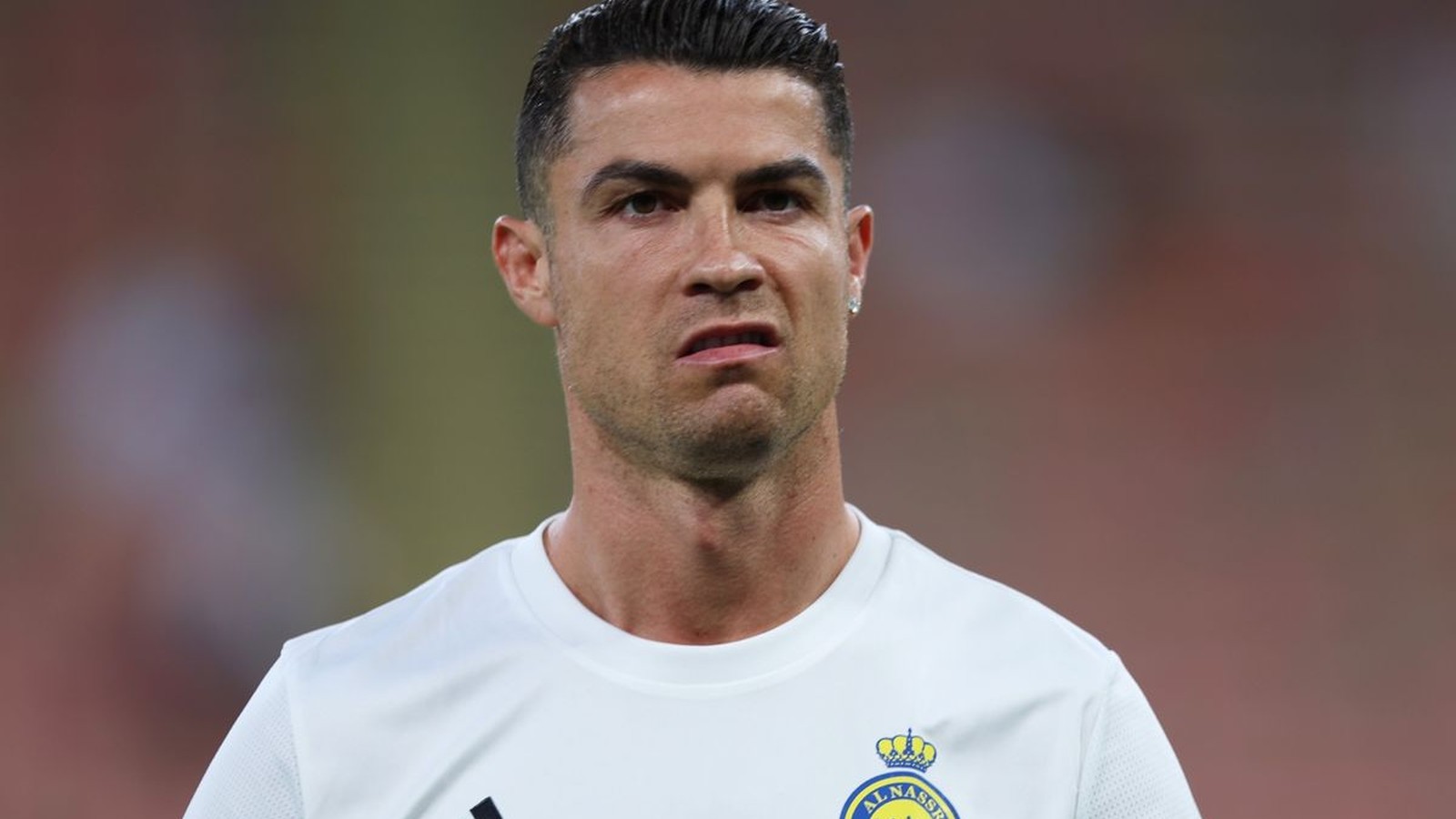
The headlines leading up to kickoff were dominated by a single question: Where was Cristiano Ronaldo? The Portuguese icon, whose arrival in Saudi Arabia transformed both Al-Nassr’s fortunes and the league’s global profile, was nowhere to be found on the team sheet. According to reports from Al-Riyadiyah and confirmed by Bolavip, Ronaldo requested a rest after a relentless run of fixtures for both club and country throughout September. Head coach Jorge Jesus, balancing the demands of a congested season, granted his star forward a rare break. For a squad so accustomed to his presence, it was both a tactical challenge and an opportunity.
Since his move in late 2022, Ronaldo has barely missed a minute of Al-Nassr’s action. His recent performances—such as the brace in the Saudi Super Cup final and a key goal in the rout of Al-Taawon—have only solidified his status as the team’s linchpin. Yet, football’s enduring truth is that no player, not even the game’s legends, can do it all alone. With Ronaldo watching from the sidelines, it was time for others to step up.
Lineups and Tactical Shifts: Opportunity Knocks for New Faces
Jorge Jesus turned to a 4-4-2 formation, tasking Haroune Camara—a recent signing from Al Shabab who had yet to make his official debut—to fill the void up front. Alongside him, João Félix, fresh from a hat-trick performance in the league, was expected to shoulder much of the creative burden. The midfield, anchored by Angelo, Wesley, Al-Khaibari, and Abdulrahman Ghareeb, promised both discipline and flair, while the defensive line boasted the experience of Iñigo Martinez and Al-Amri, with Bento between the sticks.
On the opposite side, Istiklol Dushanbe from Tajikistan arrived in Riyadh with a 5-3-2 setup—compact, disciplined, and ready to frustrate their hosts. Their lineup featured a mix of local talent and international imports: Mukhriddin Khasanov in goal, with Suslov, Chobanov, Turkaj, Okoro, and Romanov forming a resolute back line. The midfield trio of Alisher Dzhalilov, Amirbek Dzhuraboev, and Ihson offered both grit and creativity, while Manuchekhr Dzhalilov and Rustam Soirov led the attack.
Form Guide: Contrasting Journeys
Al-Nassr entered the contest in buoyant mood, leading the Saudi Pro League with six points from their first two games—tied with rivals Al Khaleej and Al-Ittihad. Despite an early disappointment in the Saudi Super Cup (losing to Al-Ahli on penalties), the team rebounded with emphatic wins, including a 5-0 demolition of Al-Taawon powered by Félix and Cristiano Ronaldo.
Istiklol, meanwhile, have been quietly impressive in their domestic campaign. Sitting third in the Tajikistan Championship, just two points off the summit, they arrived in Saudi Arabia on the back of a 6-0 thrashing of Istaravshan and a narrow 1-0 win over Pandzhsher. Their recent 3-3 draw with CSKA Pomir Dushanbe showed both their attacking potential and defensive vulnerabilities.
The Match: A Test of Depth and Ambition
With the stadium buzzing and the eyes of the continent watching, Al-Nassr sought to assert their credentials early. In Ronaldo’s absence, it was João Félix who emerged as the focal point. His movement between the lines unsettled Istiklol’s back five, while Camara—eager to make an impression—tested the visitors with darting runs and physical presence. The midfield worked tirelessly to win second balls, with Ghareeb and Angelo linking play from defense to attack.
Istiklol, for their part, were not overawed. Compact in defense, they looked to spring quick counters through Soirov and Dzhalilov. Early exchanges saw the Tajik side absorb pressure, with Khasanov making several smart stops. However, the gulf in quality was evident as the match wore on. Félix’s clever interplay with Wesley and Ghareeb created a series of half-chances, and the breakthrough felt inevitable.
While the match report will ultimately be defined by the scoreline, the real story was about adaptation—Al-Nassr’s ability to reinvent themselves in the absence of their star, and Istiklol’s determination to prove they belonged on Asia’s biggest stage.
Looking Ahead: Stakes Rise for Both Sides
This fixture marks the beginning of a six-match group stage, with Al-Nassr drawn alongside Istiklol, India’s Goa, and Iraq’s Al-Zawraa in Group D. Only the top two progress to the knockout rounds, and every point matters. For Al-Nassr, the immediate challenge is to maintain momentum without relying solely on Ronaldo’s brilliance. With domestic and continental fixtures piling up—including an imminent league clash with Al-Riyadh and a King Cup debut against Jeddah—the depth of Jorge Jesus’s squad will be tested as never before.
For Istiklol, simply competing in Riyadh is a statement. The Tajik champions have established themselves as regional contenders in recent seasons, but results on nights like these are what will elevate their reputation even further.
Al-Nassr’s opener against Istiklol is more than a match; it’s a barometer of ambition, resilience, and tactical ingenuity. The absence of Cristiano Ronaldo may dominate the headlines, but it is the response of those left behind—the hunger of Félix, the promise of Camara, and the collective will of a squad determined to write a new chapter—that will shape this campaign. As the group stage unfolds, Al-Nassr’s depth and adaptability could well become their greatest strengths in the quest for continental glory.
Sources: VAVEL, Bolavip, World Soccer Talk