
Quick Read
- Alaska Airlines will debut its new Boeing 787-9 cabin on April 28, 2026, featuring lie-flat business class seats.
- The airline is transitioning from a regional West Coast carrier to a global premium competitor with new routes to Rome, Seoul, and Tokyo.
- Expansion into international markets is being supported by the integration of Hawaiian Airlines infrastructure and a focus on the Seattle hub.
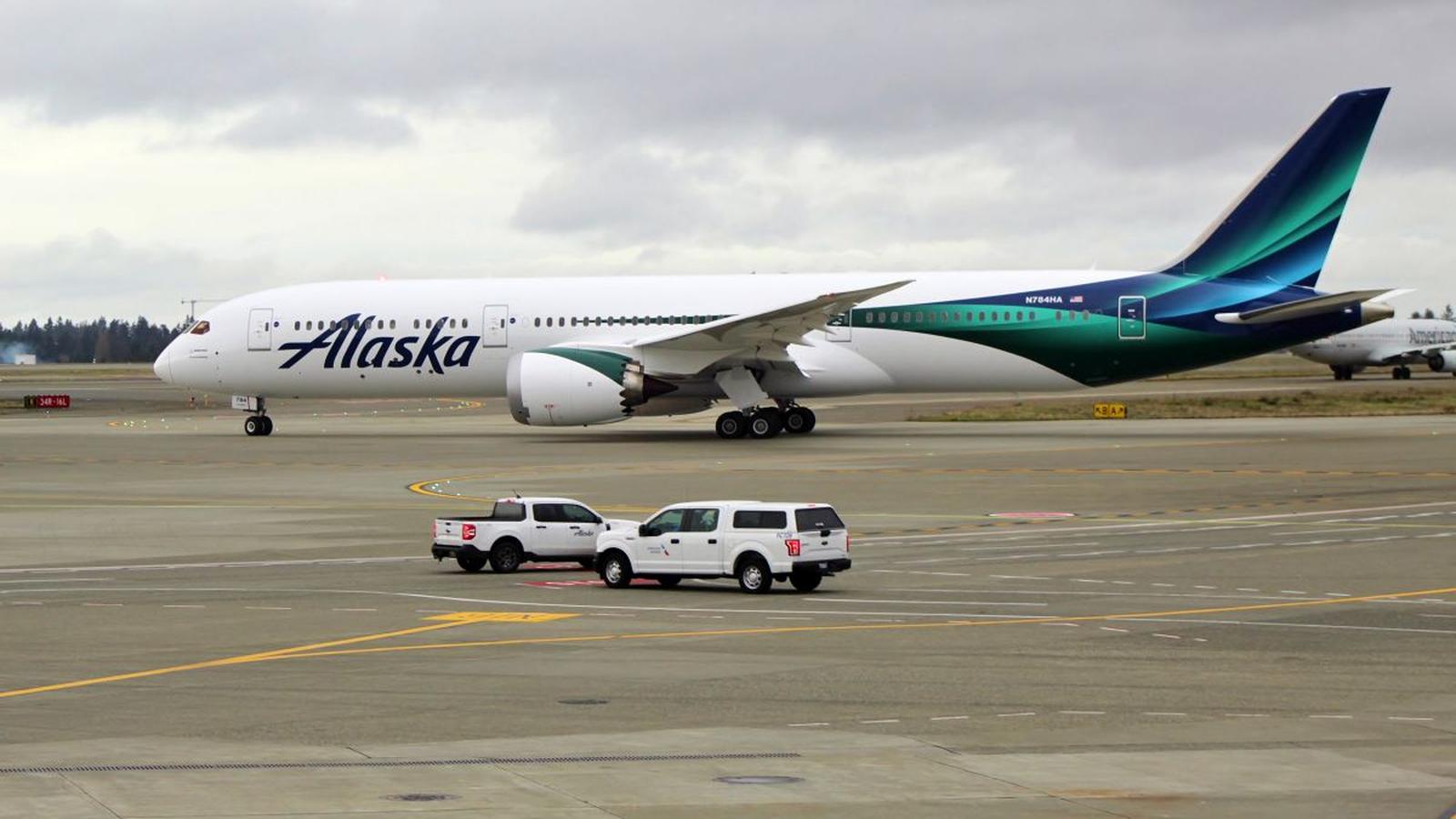
Alaska Airlines Inc. is set to launch its new long-haul cabin product on April 28, 2026, signaling a definitive transformation from a regional West Coast carrier to a global player in the international aviation market. The rollout coincides with the airline’s inaugural service between Seattle and Rome, utilizing the Boeing 787-9 Dreamliner to anchor its expanding transpacific and transatlantic network.
Global Expansion and Fleet Strategy
The modernization of the long-haul fleet is a critical component of Alaska Airlines’ broader strategy to secure market share against major U.S. network carriers. The new Business Class product features fully lie-flat seats in a 1-2-1 configuration, offering privacy doors and direct aisle access for every passenger. Each seat is equipped with 18-inch high-definition screens and advanced charging capabilities. This premium upgrade, which also includes enhancements to the International Premium and Economy classes, is intended to solidify Seattle as a primary hub for long-range international travel.
Impact on Domestic and Regional Operations
While Alaska Airlines aggressively pursues international growth, its domestic performance remains a key indicator of its overall health. According to recent data from the Los Angeles Business Journal, the airline is among five carriers expected to bolster passenger traffic at Hollywood Burbank Airport later this year through the introduction of 11 new flight routes. This expansion comes as the airport works to recover from the loss of service following the restructuring of Spirit Airlines and the exit of Avelo Airlines.
Operational Shift Amidst Industry Headwinds
The carrier’s transition into the global premium segment follows the integration of infrastructure from Hawaiian Airlines. By leveraging the range of the Boeing 787-9, the airline is targeting high-value tourism and economic centers, including Rome, Seoul, and Tokyo. This shift occurs at a time when Southern California airports are facing mixed recovery trends, with passenger numbers impacted by regional environmental challenges and broader national economic pressures, including rising fuel costs and transportation security staffing shortages.
The strategic pivot by Alaska Airlines represents a high-stakes bet on the premium long-haul market, aiming to leverage its expanded infrastructure to compete directly with legacy carriers while simultaneously shoring up its regional presence in key U.S. markets like Southern California.