

Quick Read
- Amazon engineers are increasingly using AI tools in coding tasks.
- AI adoption has led to faster-paced, more routine work.
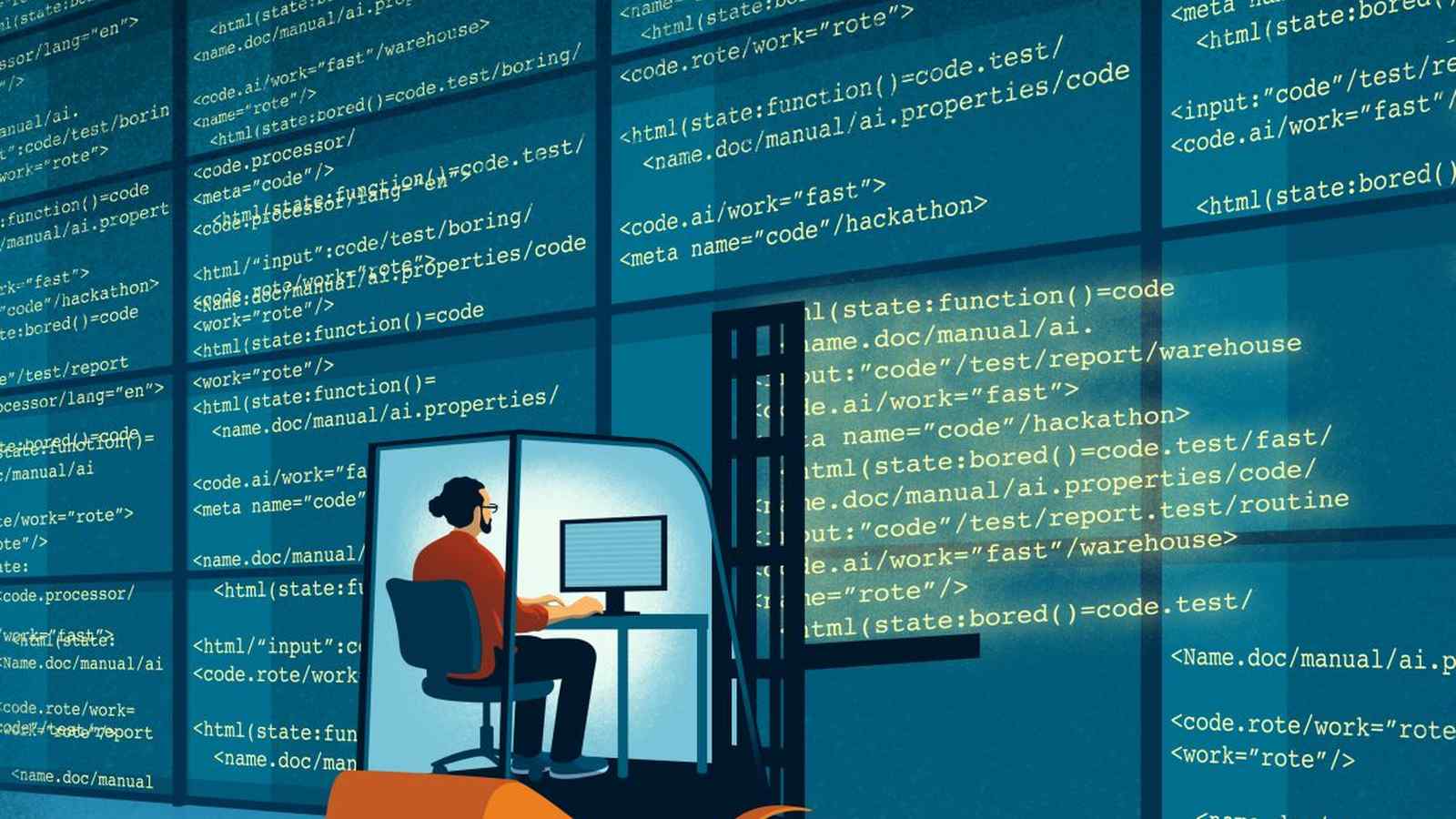
- Some engineers feel their roles resemble warehouse jobs in structure.
- Concerns include career development and work quality in an AI-driven environment.
- Amazon emphasizes AI as a tool to enhance productivity, not replace expertise.
AI’s Growing Role in Amazon’s Coding Culture
At Amazon, the integration of artificial intelligence (AI) into the workplace is reshaping the way engineers approach their tasks. Over the past year, engineers have reported a significant push to incorporate AI tools into their daily workflows, with managers emphasizing the benefits of enhanced productivity and faster delivery of projects. However, this shift has raised concerns about the impact of AI on job quality, work routines, and long-term career development.
 From Creative Coding to Routine Tasks
Historically, coding has been a creative and problem-solving-intensive profession. However, with the adoption of AI-powered tools such as GitHub’s Copilot and Amazon’s proprietary AI systems, engineers are finding their roles increasingly dominated by repetitive tasks. These tools assist by generating code snippets or even entire program sections, significantly accelerating development timelines. For instance, CEO Andy Jassy noted in a shareholder letter that generative AI was essential for maintaining Amazon’s competitive edge by meeting customer demands quickly.
While some engineers appreciate the reduced workload on mundane tasks, others feel the creativity and thoughtfulness that once defined their roles are being eroded. One Amazon engineer shared that what used to take weeks of careful planning and execution now must be completed in days, leaving little time for reflection or alternative approaches.
Parallels with Warehouse Work
This rapid transformation has drawn comparisons between Amazon’s coding culture and its warehouse operations. Much like warehouse workers who rely on robots to speed up inventory handling, engineers now depend on AI to meet heightened productivity goals. In both cases, automation has increased output but at the cost of job satisfaction and a sense of agency. Engineers have expressed concerns that their roles are becoming less about creating solutions and more about managing AI-generated outputs.
For instance, many engineers now spend more time reviewing and debugging AI-generated code than writing original code. Simon Willison, a prominent programmer, remarked that “writing code is more enjoyable than reviewing it,” highlighting the growing discontent among developers tasked with overseeing AI outputs.
Career Development in an AI-Driven Workplace
Another pressing issue is the potential impact of AI on career trajectories. Junior engineers, in particular, worry that reliance on AI tools may limit opportunities to develop foundational coding skills. One engineer noted that automating tasks like testing and debugging deprives newcomers of valuable learning experiences essential for career growth and promotions.
Labor economist Lawrence Katz from Harvard University compared this shift to the industrialization of artisanal work in the 19th century, where skilled labor was replaced with repetitive, assembly-line tasks. Katz warned that the “speedup” effect observed in AI adoption could lead to a similar degradation of white-collar roles.
Amazon’s Response and Broader Industry Trends
Amazon maintains that AI is intended to augment, not replace, engineers’ expertise. Spokesperson Brad Glasser emphasized that the company conducts regular reviews to ensure teams are adequately staffed and adapts its processes as needed. Moreover, managers argue that AI can free up time for engineers to focus on more meaningful and innovative projects.
Other tech giants like Google and Shopify are also embracing AI, with similar expectations for increased productivity. Shopify, for instance, has made AI usage a baseline expectation for employees, integrating it into performance evaluations. Google has announced company-wide hackathons to encourage the development of AI tools aimed at enhancing daily productivity, offering substantial incentives to winning teams.
Broader Implications for the Tech Industry
The experiences of Amazon engineers reflect a broader trend in the tech industry, where automation is reshaping not just workflows but also the nature of work itself. While AI offers undeniable benefits in terms of efficiency and cost savings, it also raises critical questions about job quality, skill development, and employee well-being.
As companies continue to integrate AI into their operations, striking a balance between technological advancement and human-centric work practices will be essential. The concerns voiced by Amazon engineers serve as a reminder that the future of work must prioritize not just productivity but also the dignity and development of the workforce.
The rise of AI in coding presents both opportunities and challenges, highlighting the need for thoughtful integration to ensure sustainable and equitable growth in the tech industry.
Source: Thestar, Gigazine, Doctorow