
Quick Read
- AMD stock is closely monitored by investors for insights into the tech sector’s health.
- The semiconductor giant’s performance reflects its competitive position against Intel and Nvidia.
- AMD’s product innovations, like Ryzen processors, drive its market value.
- Financial reports and product roadmap are key factors influencing investor sentiment.
- AMD’s stock movements signal broader trends in the semiconductor industry and digital economy.
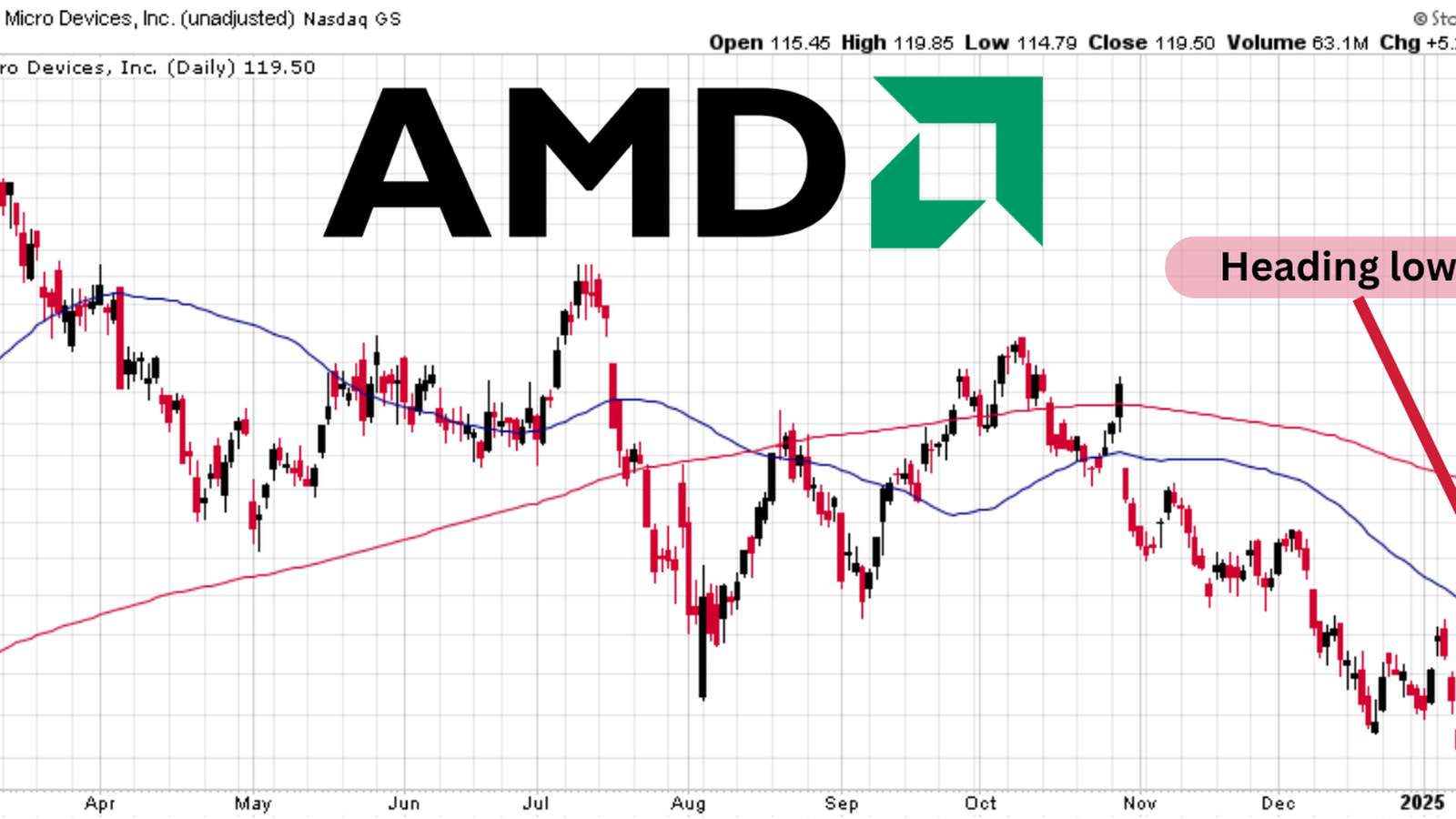
NEW YORK (Azat TV) – Investors are closely monitoring Advanced Micro Devices (AMD) stock performance as a key indicator of the broader health and future growth potential within the technology sector. The semiconductor giant’s market valuation serves as a bellwether, reflecting not only its competitive standing against rivals like Intel and Nvidia but also the prevailing trends in product innovation and consumer demand for high-performance computing.
AMD’s inclusion among stocks making significant premarket moves, as noted by financial observers on Tuesday, February 24, 2026, underscores the ongoing scrutiny of its financial trajectory. While specific figures were not immediately detailed, the attention highlights AMD’s pivotal role in investor portfolios and its capacity to signal shifts across the semiconductor landscape.
AMD’s Competitive Edge in Semiconductor Market
Advanced Micro Devices has solidified its position as a major player in the semiconductor industry, driven by its continuous innovation in processors designed for diverse applications. The company’s Ryzen processors, including high-performance models like the Ryzen 7 9800X3D with 2nd Gen AMD 3D V-Cache™ Technology, are particularly popular among demanding gamers and content creators. These products exemplify AMD’s strategy to deliver exceptional performance, directly challenging competitors in critical market segments.
The company’s product roadmap, focusing on enhancing computing experiences across gaming, productivity, and professional workloads, is central to its competitive strategy. Analysts frequently assess AMD’s ability to maintain its technological lead and expand its market share, especially in the CPU and GPU markets where it directly competes with long-standing industry leaders. The success of these product lines directly correlates with investor confidence and, consequently, AMD’s stock valuation.
Investor Focus on AMD’s Innovation and Financials
Financial performance in key market segments, such as data centers, gaming, and professional visualization, significantly influences investor sentiment towards AMD. The company’s ability to translate its technological advancements into robust sales and profitability is a primary concern for shareholders. Its financial reports are scrutinized for insights into revenue growth, profit margins, and future guidance, all of which contribute to the stock’s perceived value and potential for appreciation.
The broader technology market’s health also plays a crucial role. In periods of economic uncertainty or rapid technological shifts, companies like AMD, with strong product portfolios and strategic market positioning, often draw intensified investor interest. Their stock movements can provide early indications of sector-wide trends, making AMD a closely watched entity for those seeking to understand the momentum of the tech industry.
Broader Implications of AMD Stock Performance
Monitoring AMD’s stock performance extends beyond individual investment decisions; it offers a lens into the overall dynamism of the semiconductor industry. The company’s success or challenges often reflect broader industry trends, including supply chain dynamics, research and development expenditures, and the pace of technological adoption globally. As such, AMD’s market capitalization and stock price movements are not merely data points but crucial signals for the health of the entire digital economy.
The ongoing observation of AMD’s stock underscores its status as a critical barometer for technological innovation and market vitality, impacting investor strategies and providing insights into the future direction of the global semiconductor landscape.