
Quick Read
- American Airlines, founded in 1926, celebrates 100 years of aviation history in 2026, evolving from a mail route to a global airline.
- The airline’s network expanded from domestic routes to over 350 destinations worldwide, making global travel more accessible.
- Key innovations include loyalty programs, airport lounges, advanced inflight entertainment, Wi-Fi, and streamlined booking systems.
- The transition from propeller planes to jet-powered aircraft significantly reduced travel time and expanded tourism’s reach globally.
- Safety regulations, enforced by bodies like the FAA, have ensured passenger peace of mind and fueled the growth of international tourism.
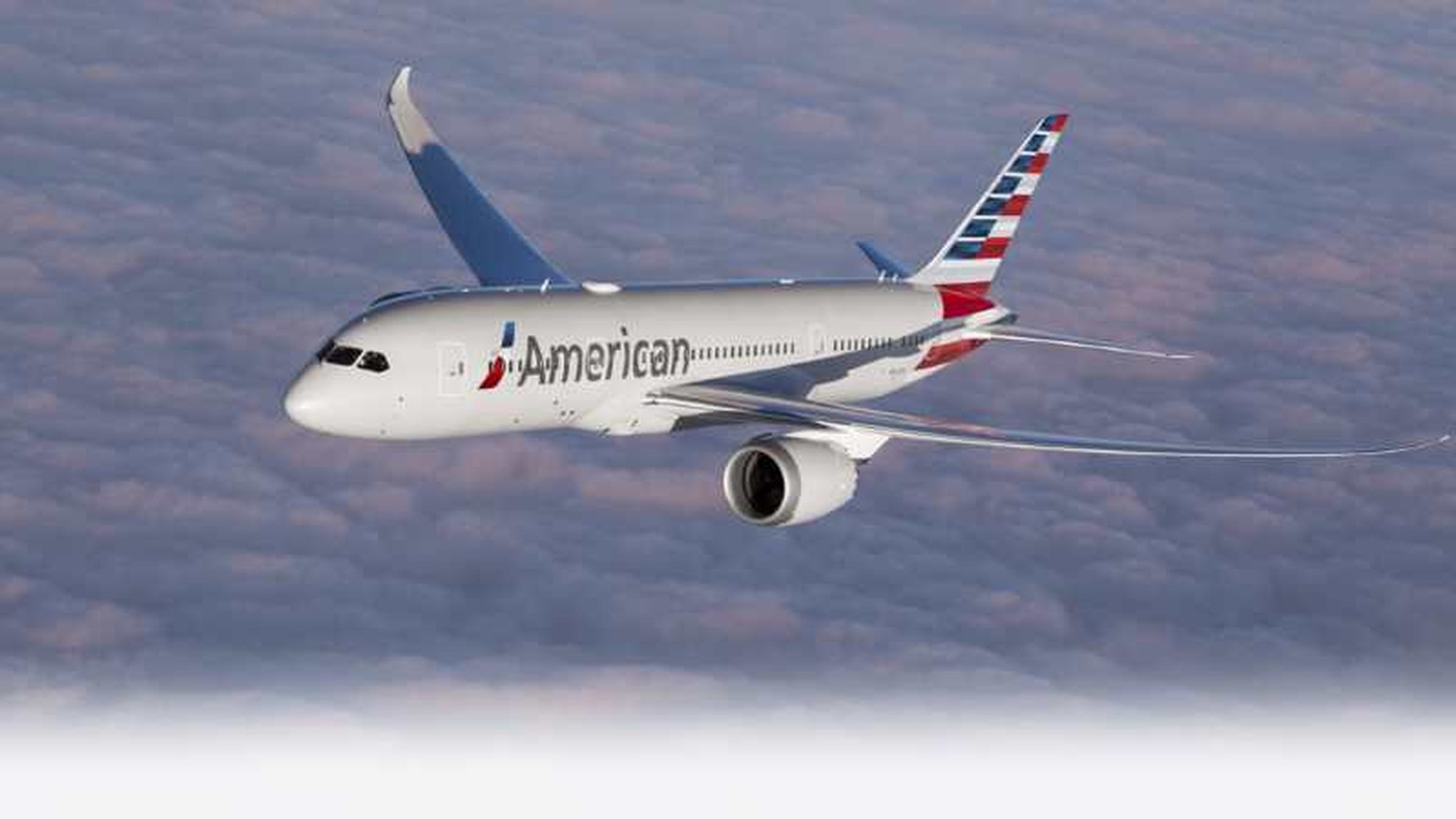
In 2026, American Airlines reaches a truly remarkable milestone: a century of soaring through the skies. What began in 1926 as a humble mail route connecting St. Louis and Chicago has, over the past 100 years, blossomed into one of the world’s largest and most influential airlines. This isn’t just a story of corporate growth; it’s a narrative deeply intertwined with the evolution of global travel itself, particularly the transformative power of jet innovation that has made the world a smaller, more accessible place for millions of tourists.
For modern travelers, this centenary isn’t merely a historical footnote. It represents a vast expansion of opportunities to explore new cultures, stand before iconic landmarks, and embark on international adventures that were once the exclusive domain of the privileged few. American Airlines’ journey reflects the broader saga of how air travel has reshaped global tourism, making journeys faster, safer, and far more accessible than our ancestors could have ever imagined.
From Mailbag to Global Network: The Early Flights that Shaped Travel
The earliest flights under the American Airlines banner were, surprisingly, not about passengers at all. They were about mail. These pioneering efforts, however, laid the essential groundwork, creating the infrastructure and operational expertise that would soon pivot to transporting people. By the mid-20th century, the airline was offering scheduled passenger services, steadily weaving a network of routes across the United States. Fast forward to today, and that nascent network has exploded into a global behemoth, operating hundreds of daily flights that connect over 350 destinations worldwide.
Think about the impact this has had on the everyday tourist. An extensive network means simplified planning and fewer arduous connections to reach even the most far-flung locales. A traveler can now board a direct flight to London, Tokyo, or Sydney, or effortlessly reach smaller cities that were once considered geographically remote. This relentless expansion by American Airlines isn’t an isolated phenomenon; it’s a vivid illustration of how air travel, driven by continuous innovation, has fundamentally transformed tourism, empowering people to explore the globe with unprecedented ease and confidence.
Elevating the Passenger Experience: Innovations Beyond the Aircraft
While the aircraft themselves have seen incredible advancements, American Airlines has also been at the forefront of innovations designed to enhance passenger comfort and convenience on the ground and in the air. Consider the introduction of loyalty programs, for instance. Long before they were commonplace, American Airlines pioneered programs like AAdvantage, allowing frequent flyers to earn rewards and make travel more affordable. This wasn’t just a marketing gimmick; it democratized repeat travel, making global exploration a more attainable dream for a wider demographic.
The airline was also one of the first to offer airport lounges, transforming chaotic terminals into havens of relaxation and productivity for travelers awaiting their flights. In the air, modern travelers now benefit from advanced inflight entertainment systems that turn long journeys into enjoyable experiences, Wi-Fi access that keeps them connected to the world below, and streamlined booking systems that make planning a trip as simple as a few clicks. Each of these innovations, from the grand to the granular, has contributed to making flying more appealing, accessible, and efficient, thereby encouraging more people to venture into international destinations.
The Jet Age Revolution: How Speed Redefined Exploration
Perhaps no single innovation has had as profound an impact on global tourism as the transition from propeller planes to jet-powered aircraft. This shift, which American Airlines embraced wholeheartedly, wasn’t just an incremental improvement; it was a revolution. Jet engines dramatically reduced travel time, slashing hours, and even days, off long-haul journeys. What once took multiple stops and a significant chunk of a vacation to traverse an ocean, could now be achieved within a single, comfortable flight.
This exponential increase in speed and efficiency expanded the very reach of tourism, opening up continents and cultures that were previously too time-consuming or expensive to access for the average person. Destinations once considered remote became viable weekend getaways or week-long explorations. The jet engine didn’t just make travel faster; it fundamentally redefined the human perception of distance and possibility. It allowed the world to truly open up, making global exploration not just a dream, but a tangible reality for millions, directly aligning with the core essence of ‘Jet Innovation.’
Safety in the Skies: Building Trust, Fueling Adventure
None of this global movement would be possible without an unwavering commitment to safety and security. Over the last century, robust regulations by authorities such as the Federal Aviation Administration (FAA) in the United States have been absolutely critical in ensuring the safety of passengers worldwide. Every aspect of air travel, from aircraft design and manufacturing to flight operations and air traffic management, is continuously monitored, refined, and updated to protect travelers.
For tourists, these stringent safety standards translate into an invaluable commodity: peace of mind. Whether they are solo adventurers embarking on a backpacking trip or families on their annual vacation, passengers can focus on the excitement of their journey rather than being consumed by anxieties about potential risks. These continuous advancements in safety protocols ensure that even first-time flyers can experience the wonders of international travel without undue apprehension, fostering confidence that is essential for the growth of global tourism.
A Legacy of Connection and Future Horizons
American Airlines’ century-long growth has had an immeasurable impact far beyond its balance sheet. Its global reach has transformed airports into vibrant gateways to adventure, turning once-sleepy cities into bustling hubs welcoming foreign visitors. Destinations previously considered distant are now effortlessly accessible, allowing tourists to explore ancient cultural hubs, marvel at natural wonders, and delve into historical sites with unparalleled ease. The airline’s extensive network has also been a powerful engine for local economies, creating countless jobs in hospitality, transportation, and the broader tourism sectors.
More tourists mean more cultural exchange, fostering a deeper understanding and appreciation between diverse nations and peoples. As American Airlines looks to its next century, it continues to innovate, with a strong focus on sustainability, integrating new aircraft technologies, and enhancing the overall travel experience. This commitment promises even safer, more eco-friendly journeys, broader destination choices, and richer experiences for global tourists in the years to come.
The story of American Airlines’ first 100 years is a compelling testament to the power of sustained innovation, particularly the revolutionary impact of jet technology. By consistently pushing the boundaries of what’s possible in aviation, from pioneering loyalty programs to embracing the jet age, the airline hasn’t just transported people; it has fundamentally reshaped our relationship with the world, transforming distant lands into accessible horizons and turning the once-exclusive act of global travel into a shared human experience.