
Quick Read
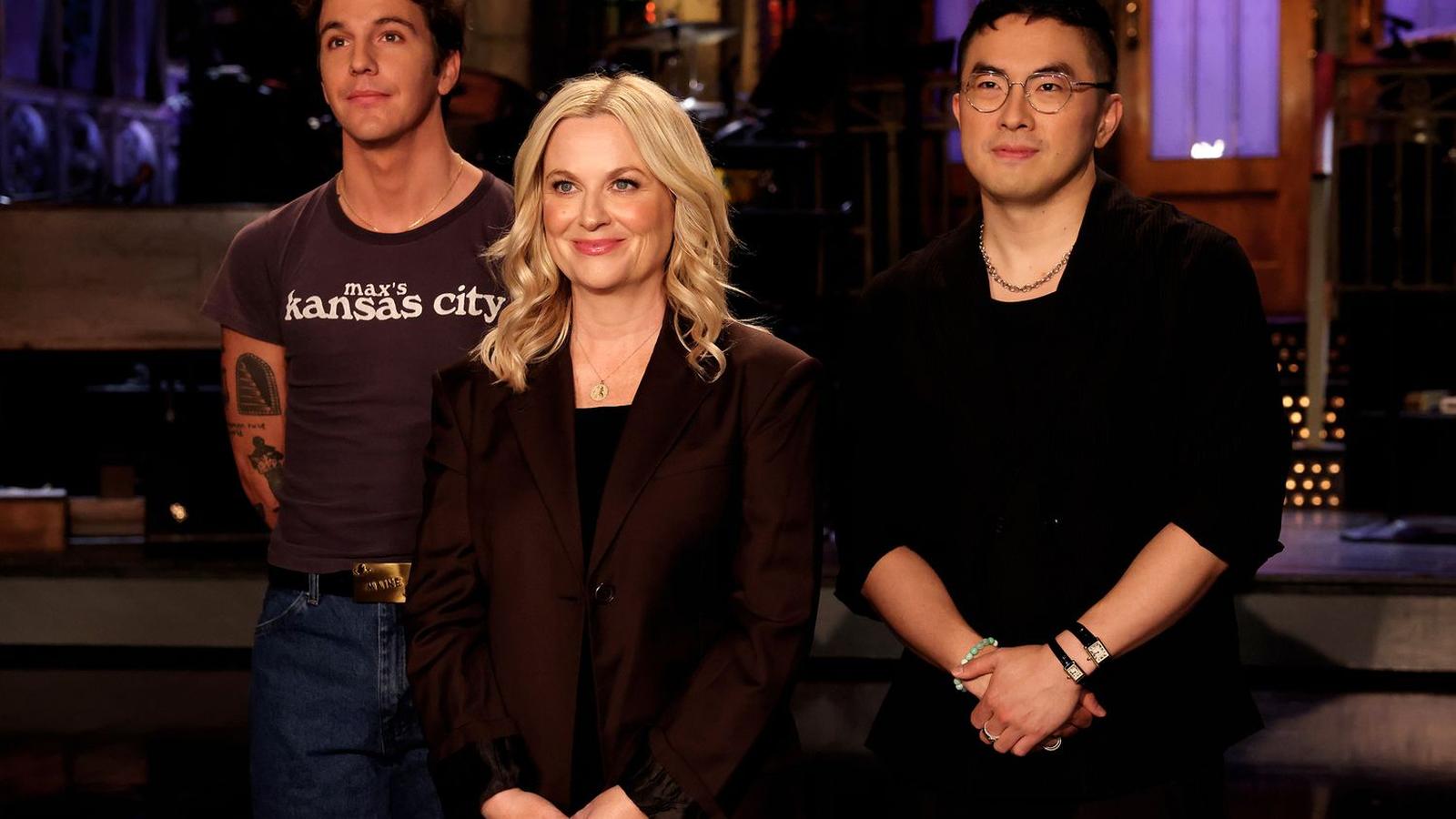
- Amy Poehler returned to host SNL’s 50th anniversary episode on October 11, 2025.
- Role Model made their SNL debut, performing viral hit ‘Sally, When the Wine Runs Out’ with Charli XCX as ‘Sally.’
- The episode blended classic sketches, new cast members, and surprise cameos—including Tina Fey and Seth Meyers.
- SNL’s 51st season continues to showcase both legacy and emerging talent.
Amy Poehler Returns to Studio 8H: SNL’s Past Meets Its Future
On October 11, 2025, the iconic halls of Studio 8H pulsed with anticipation. Saturday Night Live, the long-reigning beacon of American comedy, marked its 50th anniversary—and who better to host than Amy Poehler, one of its most beloved alumni? Poehler’s return wasn’t just a booking; it was a celebration of legacy, a nod to the show’s enduring ability to reinvent itself, and a moment that drew together generations of fans under one roof.
Poehler, who helped define SNL’s golden era in the 2000s, brought a mix of nostalgia and sharp new energy. The night’s air buzzed with references to classics—the Coneheads, burn books, and sly nods to sketches past. But this was no museum piece; the show’s pulse was quickened by fresh faces and current topics, including a cold open that lampooned recent Senate hearings, with Poehler as a fiery Attorney General Pam Bondi. Tina Fey’s surprise cameo as Secretary Kristi Noem drew cheers and set the tone: this episode was a bridge between eras, not just a walk down memory lane.
Comedy, Cameos, and a Cast in Motion
The monologue set the night’s rhythm. Poehler riffed on her podcast, Good Hang, poked fun at AI, and welcomed new cast members with her signature blend of warmth and irreverence. It’s been nearly a decade since Poehler last hosted, and her comfort on live television was palpable—she made the chaos of the show feel like home, even as new talents jostled for screen time. Ben Marshall, known for Please Don’t Destroy, appeared in understated roles, a reminder of SNL’s layered ensemble, where even rising stars sometimes play the “new guy.”
The sketches themselves wove together old formats and new twists. In “The Rudemans,” Ashley Padilla’s character brought home a boyfriend to a family brimming with passive aggression—a classic premise, delivered with modern bite. The “Non-Alcoholic Beer” parody poked fun at wellness trends, while “Psychic Talk Show” showcased Poehler’s rapid-fire wit as a rude, unfiltered medium. The night’s humor toggled between relatable everyday absurdities and surreal flights of fancy, including injury attorney battles featuring Poehler as the larger-than-life Lachlan Mulchburger.
Role Model’s SNL Debut: A Viral Hit, A Starry Cameo
Then came the musical guest: Role Model. For many viewers, this was a first look at an artist whose introspective lyrics and catchy hooks have been quietly building buzz. Performing “Sally, When the Wine Runs Out”—a breakout hit from the deluxe edition of Kansas Anymore—Role Model brought raw, contemporary energy to the show’s storied stage. But it was Charli XCX’s surprise cameo, playing “Sally,” that electrified the crowd. Clad in a leather skirt, boots, and sunglasses, Charli’s appearance sparked immediate chatter. Her “Max’s Kansas City” t-shirt fueled online speculation about a rumored feud with Taylor Swift, though some argued it simply nodded to Role Model’s album title. JustJared reported the audience’s screams and the ripple effect across social media, proof that SNL still knows how to create moments that echo far beyond broadcast.
Role Model’s second performance, “Some Protector,” continued the trend, showcasing the emotional range that’s brought the artist to mainstream attention. The pairing of Poehler’s comedic legacy and Role Model’s contemporary appeal was no accident—it signaled SNL’s ongoing commitment to blending past and present, honoring roots while spotlighting new voices.
Weekend Update: Satire, Nostalgia, and Comedic Chemistry
No SNL milestone would be complete without “Weekend Update.” Colin Jost and Michael Che tackled topics from Middle East diplomacy to Nobel snubs with characteristic bite. The segment was punctuated by the return of classic characters—Sarah Sherman’s frantic Rhonda Licenzo, Marcello Hernandez and Jane Wickline’s oddball couple—and, most memorably, a Joke-Off featuring Poehler, Tina Fey, and Seth Meyers. Their banter was lightning-quick, full of inside jokes and sly nods to their shared history. It felt like an impromptu reunion, a reminder of SNL’s role as both launching pad and enduring home for comedic talent.
Elsewhere, sketches like “Midlife Crisis” and “Work Birth” gave Poehler room to flex her range, playing everything from indignant goth mom to a corporate manager refusing to let childbirth interrupt a deal. The night’s final sketches—absurd legal battles, Juilliard composers riffing on TV themes—underscored SNL’s willingness to lean into weirdness, even as it paid tribute to tradition.
Legacy, Reinvention, and SNL’s 50-Year Journey
This episode’s significance was heightened by its timing: exactly 50 years to the day since SNL’s debut. Channel Guide Magazine and EW chronicled how the show’s anniversary has prompted retrospectives, documentaries, and tributes to the likes of Jim Downey and Diane Keaton. The milestone is not just a look back—it’s a celebration of SNL’s ongoing vitality. The 51st season’s launch, with Bad Bunny and Doja Cat, signaled a willingness to embrace diversity and innovation.
Behind the scenes, SNL’s mix of veteran writers and new talent continues to shape sketches that balance topical relevance with timeless humor. Poehler’s influence, both as performer and collaborator, was evident in the night’s playful spirit. Social media buzzed with praise for her timing and chemistry, and for Role Model’s genre-blurring performances. Minor flubs and ad-libs only added to the live show’s authenticity—a reminder that SNL’s magic is often found in the unpredictability of live television.
The Saturday Night Network’s panelists, longtime fans and pop culture aficionados, reflected on the episode’s impact. For some, it was the best installment in years, a show that honored tradition while inviting new audiences into the fold. The parade of cameos, the musical synergy, and the sense of shared history gave the episode a celebratory, communal vibe.
As the credits rolled and the cast gathered for goodnights, a title card for Diane Keaton flashed—a quiet nod to the program’s deep roots. The legacy of SNL is one of constant evolution, of risk-taking and reinvention. Even after five decades, the show remains a mirror to society, capturing both its absurdities and its hopes.
Fifty years in, Saturday Night Live continues to prove that comedy thrives on reinvention and connection. Amy Poehler’s return and Role Model’s viral moment weren’t just highlights—they were reminders that SNL’s legacy endures because it never stops looking forward, even as it honors its past.