
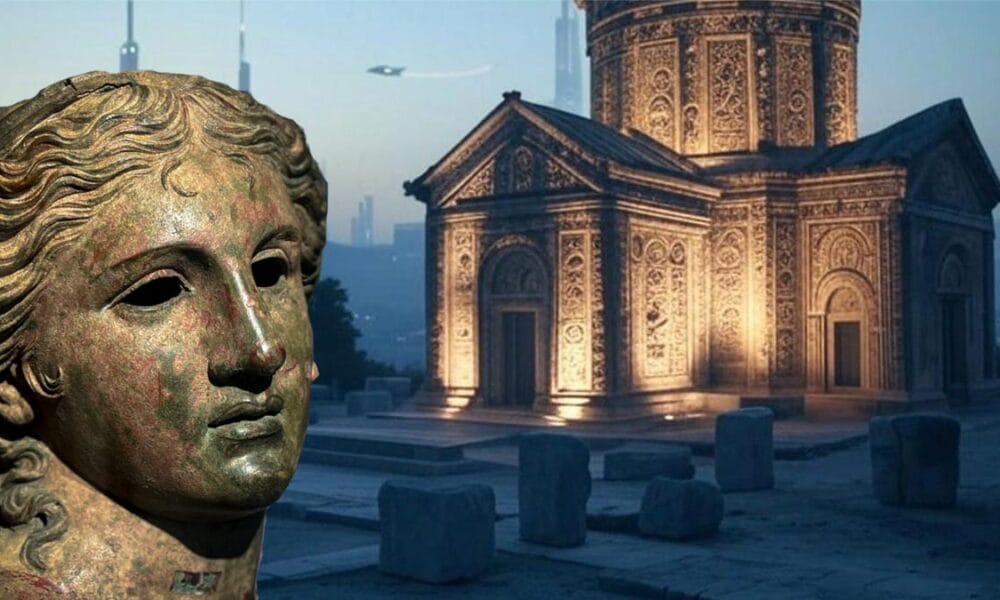
The recent emphasis by the Iranian Embassy in Armenia on the figure of Anahit, a prominent deity in Armenian mythology, serves as a potent reminder of the deep and enduring cultural ties that bind Armenia and Iran. More than a mere historical footnote, Anahit embodies shared values and narratives that continue to resonate in the modern relationship between the two nations, highlighting the power of cultural heritage in fostering diplomatic understanding.
The Iranian Embassy’s statement specifically connects Anahit to Navasard, the ancient Armenian New Year celebration. This connection is significant, as Navasard represents a time of renewal, abundance, and hope—concepts deeply intertwined with Anahit’s role as a goddess of fertility and life. The embassy’s recognition of Navasard, and Anahit’s central place within it, underscores a shared understanding of fundamental human experiences and the cyclical nature of time.
#Anahit was goddess of fertility, healing & wisdom. She was considered sacred embodiment of #motherhood & all kinds of prudence keeping & glorifing #nation.
P.S. #DYK that statue of goddess Anahit is kept in @britishmuseum. pic.twitter.com/uGU2tgOIux
— Armenia 🇦🇲 (@armenia) April 7, 2021
The embassy’s statement goes beyond simply acknowledging a shared cultural motif. It explicitly states that Iran and Armenia share “profound historical friendship, reflected in their intertwined civilizational roots.” This acknowledgment is crucial, as it recognizes the long history of interaction, exchange, and mutual influence between the two cultures. This historical interconnectedness, spanning centuries of trade, cultural exchange, and at times, shared political landscapes, provides a rich foundation for contemporary relations.
The invocation of Anahit transcends mere historical or mythological significance. It acts as a form of cultural diplomacy, using shared heritage to build bridges and foster understanding in the present. By highlighting a figure revered by both cultures, the Iranian Embassy is effectively emphasizing common ground and shared values, creating a positive context for diplomatic and cultural engagement. This use of cultural symbols in diplomacy is a powerful tool, as it taps into deep-seated emotions and shared identities, fostering a sense of connection that goes beyond political or economic considerations.
Anahit’s significance within Armenian mythology extends beyond fertility and renewal. She also represents concepts of wisdom, protection, and national identity. This multifaceted nature of the deity further strengthens her role as a symbol of shared heritage, encompassing a wide range of values and beliefs that resonate with both Armenian and Iranian cultures. This multi-layered symbolism ensures that the image of Anahit is not just a relic of the past, but a living symbol that continues to have relevance in the present.
As Armenia and Iran navigate their contemporary relationship, the figure of Anahit serves as a powerful reminder of their shared past and a beacon for future cooperation. The emphasis on cultural heritage as a foundation for diplomacy invites reflection on how other nations with intertwined histories can leverage similar shared narratives to foster mutual understanding and build stronger relationships. How can these ancient connections inform modern diplomacy and contribute to a more peaceful and cooperative future? This is a question that extends beyond the specific case of Armenia and Iran, offering insights into the broader role of culture in international relations.