
Quick Read
- The postponement of the Eastern Cape conference highlights ongoing factional instability within the ANC.
- ANC leadership is pushing back against US diplomatic and economic pressure while maintaining its foreign policy stance.
- The influence of private mining wealth on party succession remains a significant concern for the party’s future stability.
ANC Leadership Navigates Strategic Sovereignty Challenges
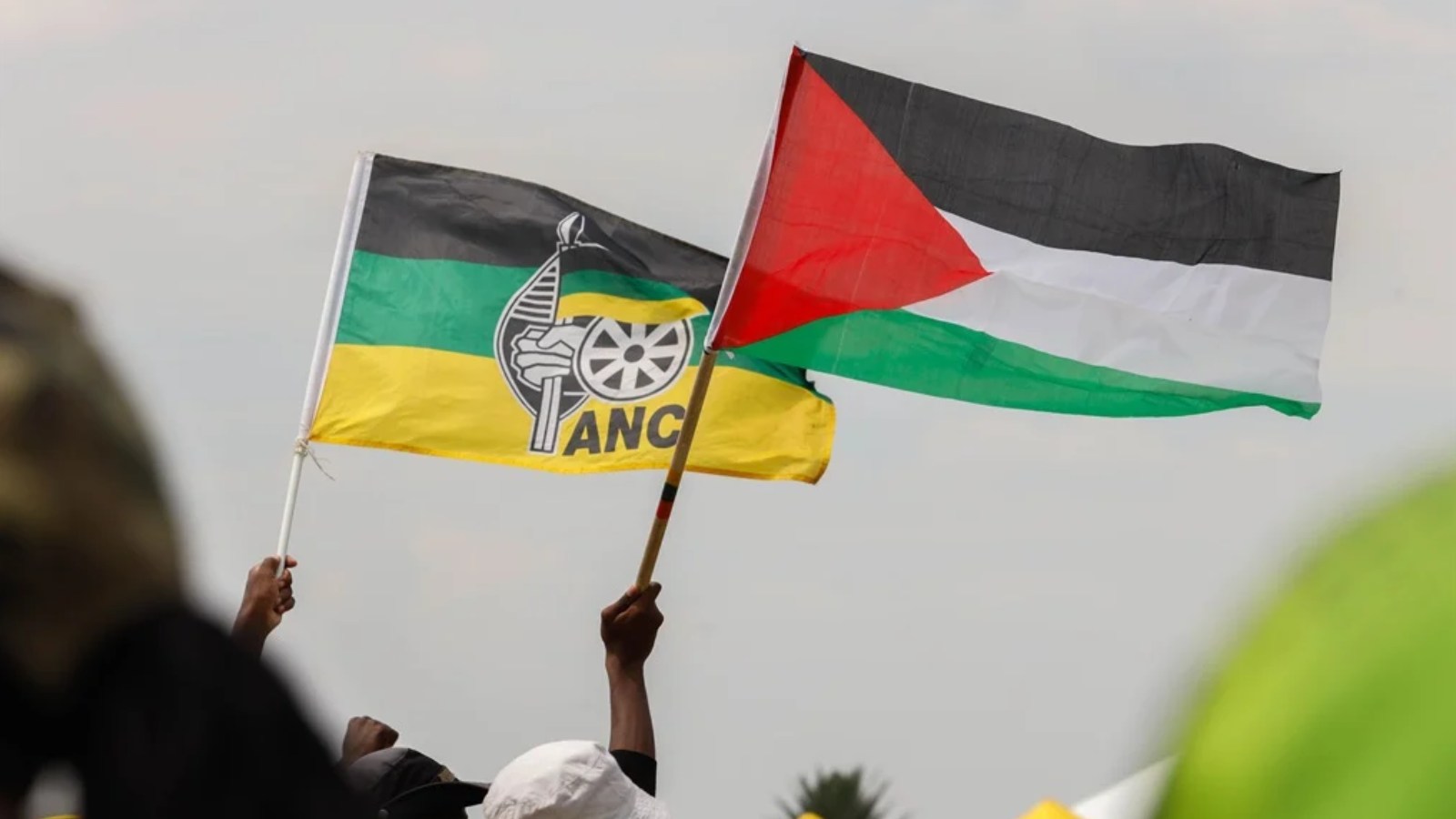
The African National Congress (ANC) continues to grapple with a complex landscape of internal dissent and mounting international scrutiny. Following the postponement of the Eastern Cape conference on March 29, 2026, party officials are facing renewed questions regarding their ability to maintain unity. ANC Secretary-General Fikile Mbalula emphasized on Monday that the movement remains committed to protecting South African sovereignty, despite what he described as ongoing aggression from the United States regarding the country’s foreign policy stances.
The Economic and Political Stakes of Party Succession
The party’s current instability is underscored by a broader shift in its political dominance, having transitioned from an outright majority in 2004 to a more fragile governing position. Analysts are closely watching how the influx of private wealth—particularly from the mining sector—is influencing succession planning and internal party dynamics. As the ANC attempts to manage its role within a Government of National Unity, the influence of billionaire-led campaign contributions has become a focal point for critics who argue that such interests may compromise the party’s historical commitment to transformation.
Diplomatic Friction and Internal Cohesion
The tension is compounded by international pressure, including US legislative moves that threaten to review bilateral relations and impose sanctions on government officials. Mbalula warned that the party must abandon factionalism to address these external threats effectively. The internal call for discipline follows broader concerns about the party’s direction, as it struggles to balance its international diplomatic posture with the need for domestic economic recovery. The party’s ability to navigate these dual challenges will likely determine the viability of its current governing structure as it prepares for future electoral cycles.
The ANC’s current crisis represents a critical inflection point where the necessity of maintaining internal consensus directly competes with the pressures of global realignments and the influence of private capital on democratic institutional integrity.