
Quick Read
- Polygonum multiflorum, an ancient Chinese root, is showing promise in scientific research for hair regrowth.
- The herb works by blocking hair-shrinking hormones (DHT), protecting follicles, activating growth signals (Wnt, Shh), and improving scalp blood flow.
- It offers a potential holistic alternative to conventional hair loss treatments like finasteride and minoxidil.
- The review, published in the Journal of Holistic Integrative Pharmacy, combines historical texts with modern lab studies.
- Further high-quality clinical trials are needed to confirm its effectiveness and establish optimal dosing.
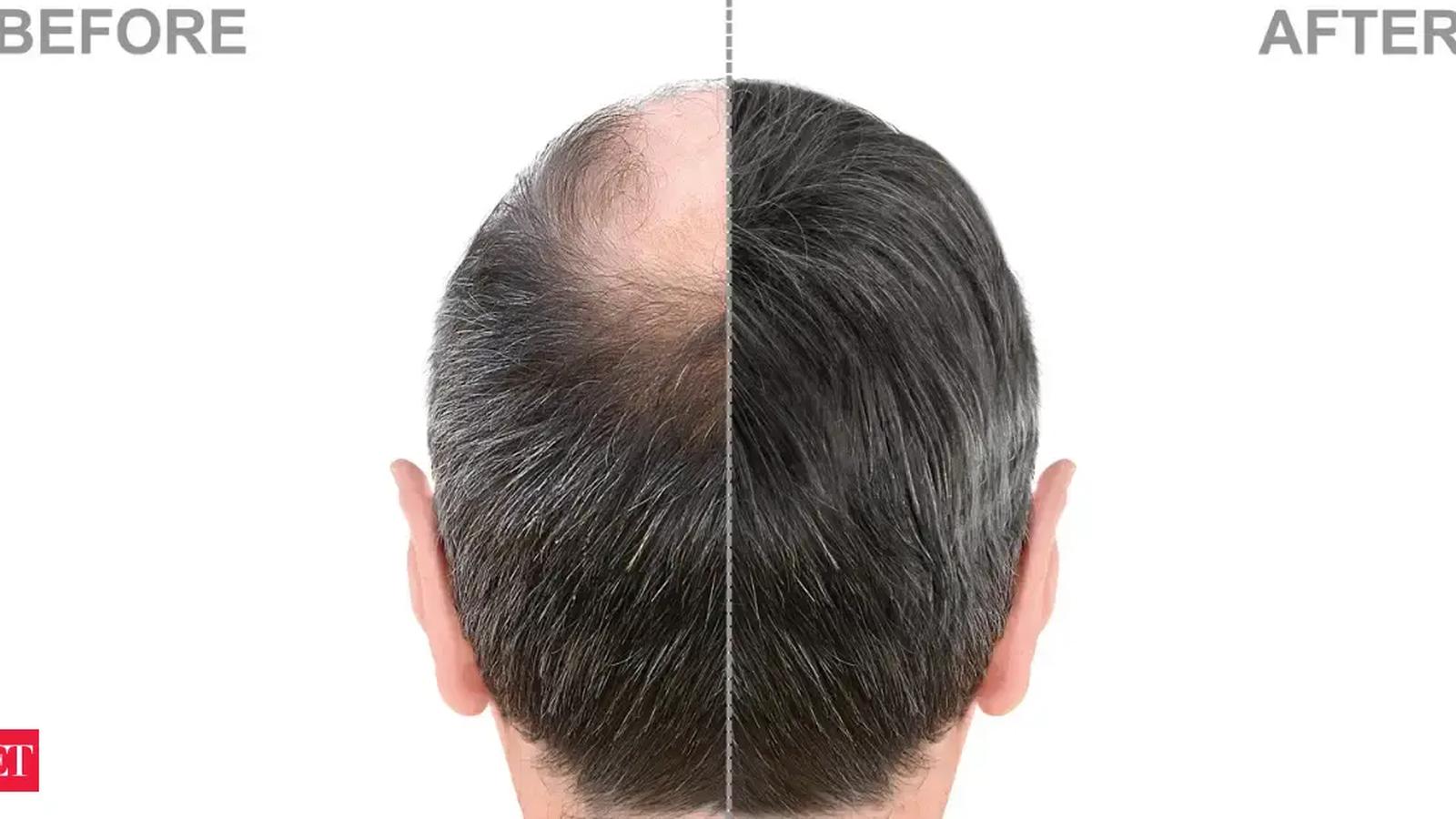
YEREVAN (Azat TV) – A centuries-old Chinese medicinal root, Polygonum multiflorum, is gaining significant scientific attention in 2026 for its potential to not only slow hair thinning but actively stimulate regrowth, offering a new perspective on combating common hair loss conditions like androgenetic alopecia. Recent research highlights how this ancient herb, long used in traditional Chinese medicine, appears to work on multiple biological fronts, providing a potential holistic alternative to conventional treatments and addressing the widespread desire for effective hair restoration solutions.
The renewed focus on Polygonum multiflorum comes as millions worldwide grapple with androgenetic alopecia (AGA), the most prevalent form of hair loss. While established medications such as finasteride and minoxidil are widely prescribed, patient concerns regarding potential side effects and the need for long-term use have fueled a demand for gentler, more comprehensive approaches. The herb’s re-evaluation, detailed in a review published in the Journal of Holistic Integrative Pharmacy and reported by ScienceDaily, suggests it could fill this gap.
Polygonum Multiflorum’s Multi-Faceted Approach to Hair Regrowth
Unlike many standard treatments that often target a single biological pathway, Polygonum multiflorum demonstrates a broad mechanism of action, according to the scientific review. This ancient root appears to influence several critical aspects of hair biology simultaneously:
- Hormone Modulation: It reduces the effects of dihydrotestosterone (DHT), a hormone strongly linked to the shrinkage of hair follicles, a primary cause of AGA.
- Follicle Protection: The herb helps shield hair follicle cells from premature cell death, preserving their viability and function.
- Growth Pathway Activation: It activates key growth signaling pathways, specifically Wnt and Shh, which are crucial for initiating and sustaining the hair growth cycle.
- Enhanced Circulation: Polygonum multiflorum improves blood flow to the scalp, ensuring better delivery of vital nutrients and oxygen to hair follicles, which are essential for robust growth.
Lead author Han Bixian underscored the significance of these findings to ScienceDaily, stating, “Our analysis bridges ancient wisdom and modern science. Historical texts from the Tang Dynasty onward describe effects that align with today’s understanding of hair biology. Modern studies now confirm that this isn’t folklore; it’s pharmacology.” This integration of historical knowledge with contemporary scientific validation provides a compelling case for the herb’s efficacy.
Bridging Ancient Wisdom with Modern Hair Science
The research methodology combined insights from historical texts, observed clinical outcomes, and rigorous laboratory studies to build a comprehensive understanding of Polygonum multiflorum’s capabilities. This extensive review suggests that the root may go beyond merely slowing hair loss, actively supporting hair regeneration by influencing multiple growth factors and signaling pathways involved in the hair cycle. This broad-spectrum action could potentially offer advantages over conventional treatments that focus on a singular biological factor.
Importantly, the study also addressed safety concerns. When properly processed – a critical step in its traditional preparation – Polygonum multiflorum is generally considered safe and well-tolerated. This safety profile makes it an appealing option for individuals who are wary of the side effects associated with standard medications, such such as sexual dysfunction or scalp irritation.
The Future of Hair Regrowth Treatments
Despite the promising initial results, the authors of the review emphasize the necessity for more extensive, high-quality clinical trials. These trials are crucial to definitively confirm the effectiveness of Polygonum multiflorum across diverse populations and to establish optimal dosing regimens. The ongoing scientific investigation into traditional remedies like this highlights a broader trend in medical research: the meticulous study of ancient practices to uncover novel treatment strategies for widespread and challenging conditions like androgenetic alopecia.
The resurgence of interest in Polygonum multiflorum exemplifies how modern scientific inquiry, when applied to long-standing traditional knowledge, can uncover and validate new avenues for addressing complex health concerns, potentially expanding the toolkit available for hair regrowth.