
Quick Read
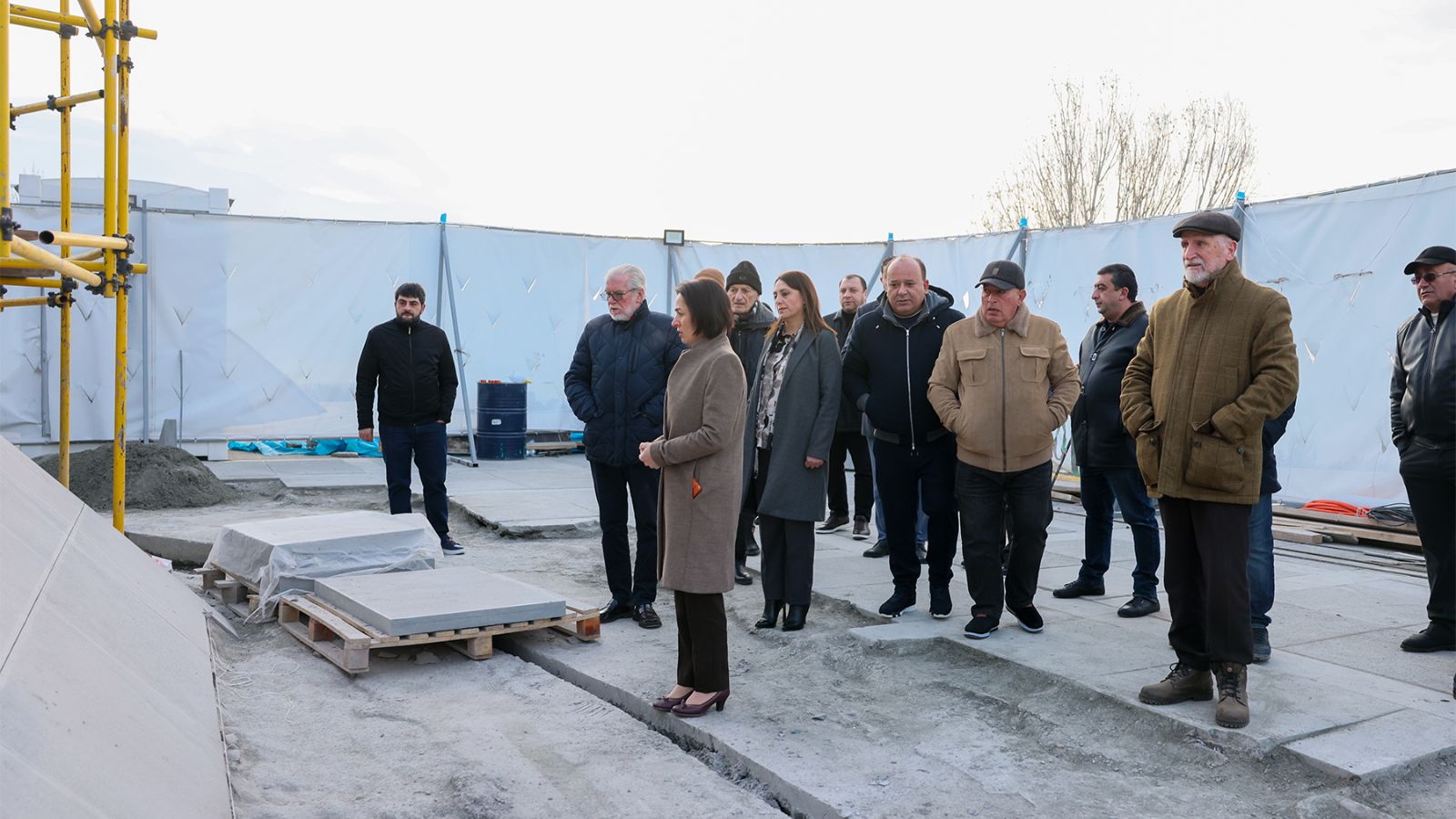
- Zhanna Andreasyan visited the Armenian Genocide Memorial complex for the second time.
- She was there to follow the ongoing renovation works.
- The visit highlights ongoing renovation activity at the memorial site.
- The Armenian Genocide Memorial remains a central symbol of remembrance and education.
Zhanna Andreasyan visited the Armenian Genocide Memorial complex for a second time to follow the ongoing renovation works. The visit signals that renovation activity continues at the site, with preparations or progress assessments underway as crews work on-site and officials monitor the project. In assessments of such memorial spaces, these visits often serve to provide transparency about how restoration is conducted and how the memorial will continue to function for visitors, scholars, and members of the public who seek to engage with history in a respectful and informed manner. While the specifics of the renovation are not described publicly in this report, the act of visiting the memorial to observe the work underscores the ongoing attention given to preserving one of Armenia’s most significant national symbols.
The Armenian Genocide Memorial stands as a central symbol of remembrance for the victims of the 1915 genocide and a focal point for education about the events and their enduring legacy. Renovation or preservation efforts at such sites are commonly framed as a means to ensure the safety and dignity of the monument while improving the experience for visitors who come from within Armenia and from abroad to reflect, study, or pay respects. The presence of observers, journalists, and public figures at sites undergoing renovations is often interpreted as part of a broader effort to maintain transparency around how cultural heritage is cared for and shared with future generations. In this context, the ongoing work on the memorial is framed not only as a technical undertaking but as a continued commitment to the memory of those affected by one of the most defining events in Armenian history.
For international readers, the memorial’s role extends beyond national memory. It has become a reference point for discussions about memory, recognition, and how societies preserve traumatic histories. Public engagement with restoration projects at such sites can influence how the narrative is presented to visitors, researchers, and students, ensuring accuracy, sensitivity, and accessibility. Visits like Andreasyan’s signal that cultural heritage preservation remains a priority in Armenia and that there is continued scrutiny and public interest in how the memorial is maintained over time. They also reflect a broader pattern in which media and public figures participate in the ongoing dialogue surrounding memory, historiography, and education about past events.
The ongoing renovation at the Armenian Genocide Memorial also invites consideration of the balance between preservation and public access. Institutions responsible for the site are tasked with maintaining structural integrity and safeguarding the memorial’s symbolic elements while ensuring that the venue continues to serve as a place of reflection and learning. Visitors who witness or report on renovation work contribute to a transparent record of the restoration process, helping to build trust that the site will endure for the generations that follow. In this sense, Andreasyan’s visit is part of a wider pattern in which memory sites remain active, living spaces—not merely monuments—through which history, memory, and contemporary civic life intersect daily.
As discussions around memory and commemoration evolve, visits to the memorial during renovation can spark discussions about how best to present historical narratives to diverse audiences. They can also highlight the importance of continuous investment in cultural heritage, especially in a country where memory and identity are closely intertwined with public spaces and national history. The current renovation cycle, observed by this visit, signals an ongoing dedication to maintaining a site that is both sacred to many and educational for those seeking to understand Armenia’s history and its implications for the present and future.
Ultimately, the visit by Zhanna Andreasyan to the Armenian Genocide Memorial to monitor the renovation works reflects a continuing commitment to memory, heritage, and public education. It underscores that preserving such spaces is a dynamic, collaborative process that involves caretakers, memory custodians, journalists, and the public at large. Looking ahead, the success of the renovation—and the continued ability of the memorial to welcome visitors in a respectful, informative environment—will be measured not only by the physical condition of the site but by its capacity to foster remembrance, dialogue, and learning for generations to come.
Final analytical: This visit underscores ongoing commitment to transparency in heritage preservation and signals that cultural memory remains a priority for Armenian institutions and the public sphere in 2026 as they navigate the responsibilities of maintaining historic monuments for future generations.