


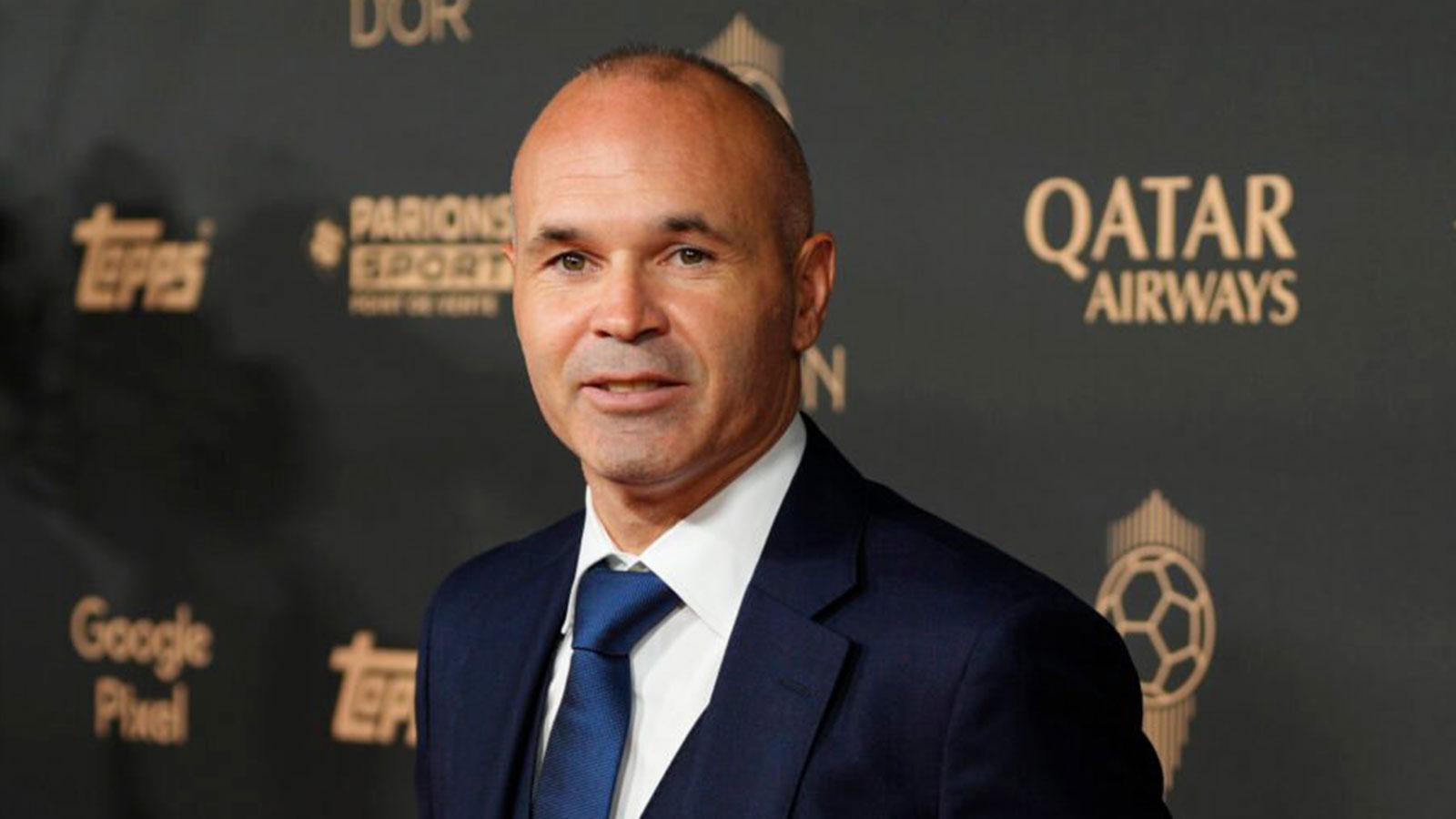
Iniesta’s Timeless Response to Sir Alex Ferguson’s Champions League Remark
It’s not every day that a footballer receives praise from one of the most respected managers in the game. Yet Andres Iniesta, whose elegance and intelligence defined an era at Barcelona, found himself on the receiving end of a compliment that still resonates years later. As Iniesta closed the chapter on his playing career in 2024, a quote from Sir Alex Ferguson, spoken before the 2009 Champions League final, resurfaced and captured the football world’s imagination.
In a recent interview with The New York Times, Iniesta was reminded of Ferguson’s words. The legendary Manchester United manager once said, “I’m not obsessed with Messi; Iniesta is the danger. He’s fantastic. He makes the team work. The way he finds passes, his movement and ability to create space is incredible. He’s so important for Barcelona.” It was a moment of rare candor from a manager renowned for his tactical acumen and psychological insight.
Iniesta’s response was simple yet profound: “I’ve loved playing football.” Those four words, delivered with a smile, encapsulate not only the joy he found on the pitch but also the humility that defined his career. For a player often described as the heartbeat of Barcelona’s midfield, it’s telling that he chose to focus on the love of the game rather than his accolades.
Ferguson’s Admiration: The Messi Comparison and What It Meant
Sir Alex Ferguson’s statement is noteworthy for more than its praise; it directly compared Iniesta’s influence to that of Lionel Messi, arguably the greatest player of his generation. For Ferguson, the real “danger” in Barcelona’s lineup wasn’t just Messi’s brilliance but Iniesta’s ability to orchestrate the game. The Scottish manager’s words reflected a deep understanding of the subtleties of football—recognizing that the player who makes the team tick is often as vital as the one who scores the goals.
It’s rare for managers to single out opposition players for such specific praise, especially ahead of high-stakes matches. For Iniesta, whose game was always about creating space and opportunities for others, this recognition was a testament to the artistry he brought to the pitch. It’s a legacy that extends beyond statistics and trophies.
Head-to-Head: Iniesta’s Record Against Manchester United
Over the course of his career, Iniesta faced Manchester United four times, winning twice, drawing once, and losing only once. He notched two assists in those matches, but the numbers only tell part of the story. Two of those victories came in Champions League finals, where Barcelona’s style and Iniesta’s influence proved decisive against Ferguson’s men.
| Matches vs Manchester United | Wins | Draws | Losses | Assists |
|---|---|---|---|---|
| 4 | 2 | 1 | 1 | 2 |
Those finals, especially in 2009 and 2011, are etched in football history—not just for the trophies lifted, but for the way Barcelona’s midfield, with Iniesta at its core, controlled the rhythm and flow of the game. Ferguson’s admiration was born of firsthand experience, watching his own teams struggle to contain Iniesta’s movement and vision.
The Quiet Greatness: Why Iniesta’s Legacy Resonates
Iniesta’s career is often viewed through the lens of understated brilliance. Unlike many stars, he rarely sought the spotlight, preferring instead to let his football speak for itself. His legacy isn’t defined solely by the medals or the moments of glory, but by the respect he earned from peers and rivals alike.
For Barcelona and Spain, Iniesta was more than a playmaker—he was a symbol of team-first football, a player whose movements created space for others and whose decisions shaped the outcome of matches. Ferguson’s words, and Iniesta’s gentle response, highlight the mutual respect that exists among football’s greats. It’s a reminder that behind every iconic moment, there’s a story of dedication, humility, and a love for the game.
As the football world moves forward, Iniesta’s legacy remains a touchstone for what it means to play with joy and grace. His four-word message is both a reflection on a remarkable career and a gentle challenge to future generations: love the game, and greatness will follow.
Iniesta’s story is a testament to the enduring power of humility and artistry in football. While statistics and silverware often dominate the conversation, it’s the subtle influence and the respect of peers—like Sir Alex Ferguson—that truly define a player’s legacy.