
Quick Read
- Angelo Stiller was mocked for his appearance—specifically his cleft lip—by Victor Edvardsen during a Europa League match.
- Edvardsen was fined €500 by Go Ahead Eagles and issued a public apology after the incident.
- Stuttgart’s sporting director and football pundits condemned the behavior as unacceptable.
- Stuttgart fans were also criticized for stadium misconduct, leading to police intervention.
- Stiller’s rising profile continues to attract interest from major clubs like Manchester United.
Angelo Stiller: When Mockery Overshadows the Game
In the charged atmosphere of a Europa League clash, football’s ideals of sportsmanship were put to the test. Just minutes after stepping onto the pitch, Stuttgart’s Angelo Stiller—whose talents have drawn the gaze of European giants like Manchester United and Real Madrid—found himself at the center of an uncomfortable episode. Go Ahead Eagles forward Victor Edvardsen, in front of thousands, made mocking gestures about Stiller’s appearance. Specifically, Edvardsen referenced Stiller’s cleft lip—a condition that affects both the lip and nose due to facial development in the womb.
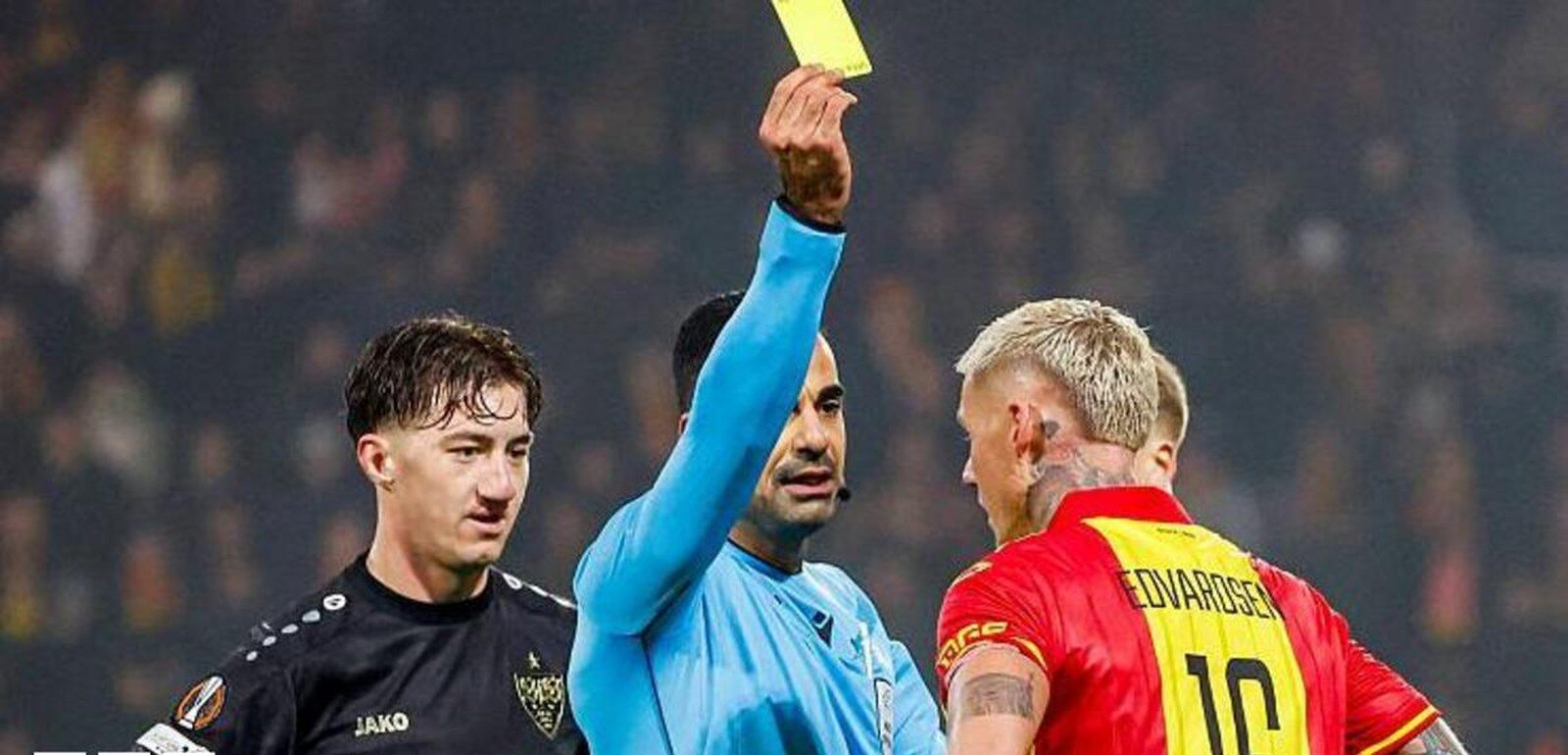
The incident was not only jarring for those watching but deeply personal for Stiller, who has battled both on the pitch and off it. The mockery, which unfolded just three minutes into Stiller’s appearance, quickly escalated tensions between the teams. Edvardsen’s actions led to heated exchanges and ultimately a booking for the Go Ahead Eagles player. As the game wore on, the tension lingered, and it was clear this moment would be discussed long after the final whistle.
Immediate Repercussions and Club Response
The aftermath was swift. Online backlash against Edvardsen was fierce, with fans and commentators condemning the behaviour as cruel and unacceptable. Stuttgart’s sporting director, Fabian Wohlgemuth, spoke with measured restraint, refusing to inflame the situation. “I saw it, but from a distance it was still difficult for me to assess. It’s about Europa League points for Deventer just as it is for us. So if emotions are running high and then quickly subside, and the referee takes the right measures, then it’s not all that big of a deal. Therefore, everything’s fine,” he said, attempting to redirect the focus to the sport itself (Goal.com).
But for many, it wasn’t fine. Former Inter Milan star Wesley Sneijder didn’t mince words: “I find it sad. Such things are absolutely unacceptable.” The Go Ahead Eagles club itself issued a formal apology, distancing itself from Edvardsen’s actions. General manager Jan Willem van Dop stated, “As a club, we are completely dissatisfied with Victor’s behavior and distance ourselves from it. It’s good that he apologised afterwards, but it remains a stain on the evening.” The €500 fine imposed on Edvardsen will be donated to the club’s social branch, underscoring their intent to turn a negative into a positive (BBC Sport).
Player Accountability and the Power of Apology
Edvardsen himself took to the media to express regret. “I would like to apologise for my behaviour yesterday. Things have been said and done between the two of us that don’t belong on a football field. Afterwards, I went to the dressing room in Stuttgart to apologize. I have an exemplary role, and I have to behave accordingly.” His words, though remorseful, highlight the broader issue: professional athletes, often role models for young fans, carry the responsibility of upholding respect, both in victory and defeat.
Yet, apologies and fines are only part of the picture. The incident sheds light on the persistent challenge of fostering genuine respect in competitive environments. The fact that Edvardsen’s gestures targeted Stiller’s cleft lip—a congenital condition that millions live with worldwide—sparked wider conversation about sensitivity, acceptance, and the boundaries of banter. Social media, predictably, magnified the debate, with many calling for stronger disciplinary measures and more proactive education.
Stadium Behaviour and the Bigger Picture
The evening’s troubles didn’t end on the pitch. In the same media release, Go Ahead Eagles criticized Stuttgart fans for standing in seated sections, despite repeated warnings from security staff. The behaviour was labeled “unacceptable,” and police were forced to intervene multiple times. “The incident with Edvardsen was not the only incident during Go Ahead Eagles – VfB Stuttgart. Before, during and after the match, unrest arose around the stadium,” the club said.
Such scenes are a reminder: football matches, especially at the continental level, attract diverse crowds and emotions can run high. Clubs must balance the excitement of competition with the imperative to maintain order and hospitality. Go Ahead Eagles emphasized the need for responsible ticket allocation and urged visiting teams to ensure their supporters behave appropriately. The disruption in the stands, like the mockery on the field, was seen as a blemish on what should have been a celebration of sport.
Stiller’s Rising Profile Amidst Adversity
Lost in the controversy is the story of Angelo Stiller himself. At just 23, he’s emerged as one of Europe’s most promising midfield talents. His performances for Stuttgart have attracted interest from clubs searching for dynamic, resilient players—Manchester United among them, who see him as a potential successor to Casemiro. The Europa League spotlight, however, brought not just scouts but scrutiny. How Stiller responds to adversity, both personal and professional, may define his career as much as his technical skill.
Stuttgart’s emphatic 4-0 win away at Go Ahead Eagles demonstrated the team’s focus and ability to overcome distractions. For Stiller, the victory was bittersweet—a reminder of football’s power to unite and the importance of resilience in the face of public adversity.
Looking Forward: Lessons and Legacy
As the dust settles, the incident stands as a case study in football’s ongoing struggle with respect and inclusion. Clubs, players, and governing bodies must continually reaffirm their commitment to sportsmanship, not just with words but with actions. Fines and apologies are necessary, but prevention—through education and clear codes of conduct—is vital.
For Stiller, the episode will linger, but so too will the support from fans, teammates, and the broader football community. His journey from adversity to achievement is a testament to the resilience required not just to play, but to thrive, at the highest level.
What happened in Deventer is more than a momentary lapse—it’s a call for football to confront its blind spots. Respect isn’t just a slogan on a banner; it’s the heartbeat of the game. The way clubs and players respond, not just in crisis but every day, will shape the culture of football for years to come.