
Quick Read
- Anika Wells, Communications Minister, spent $95,000 in taxpayer funds on a US trip for the UN General Assembly.
- The trip included meetings with major tech companies and hosting a child protection event at the UN.
- Costs included flights, accommodation, and ground transport for Wells, her deputy chief of staff, and a department official.
- The expenditure has sparked public and political debate over government spending priorities amid rising living costs.
- Wells defended the trip as essential and said all expenses were transparently disclosed.
Anika Wells’ US Trip Draws Public Attention
As Australians continue to navigate a challenging economic climate, news of a $95,000 government-funded trip by Communications Minister Anika Wells to the United States has stirred up fresh debate about the priorities of public spending. The timing is striking: the country is wrestling with rising household costs, and the optics of high-profile overseas travel by government officials are more sensitive than ever.
Details of the Controversial Expenditure
Wells travelled to New York in September 2025, accompanied by her deputy chief of staff and a department official. Their mission: to attend the United Nations General Assembly and host an event titled “Protecting children in the digital age.” The price tag, revealed at Senate estimates and reported by The Guardian, included $95,000 for three flights, US$2,985 each for Wells and her staffer’s accommodation, US$5,970 for the departmental official’s lodging, and US$1,348 each in ground transport. The communications department also spent US$45,744 (about $70,000 AUD) to host the UN event in the delegates’ dining room.
Wells’ itinerary was full: she held meetings with senior executives at Meta, Microsoft, and Amazon, and participated in multiple events and panels. She was originally scheduled to fly with Prime Minister Anthony Albanese earlier that week, but delayed her departure to address triple zero emergency outages back home.
Government Transparency and Defense of the Trip
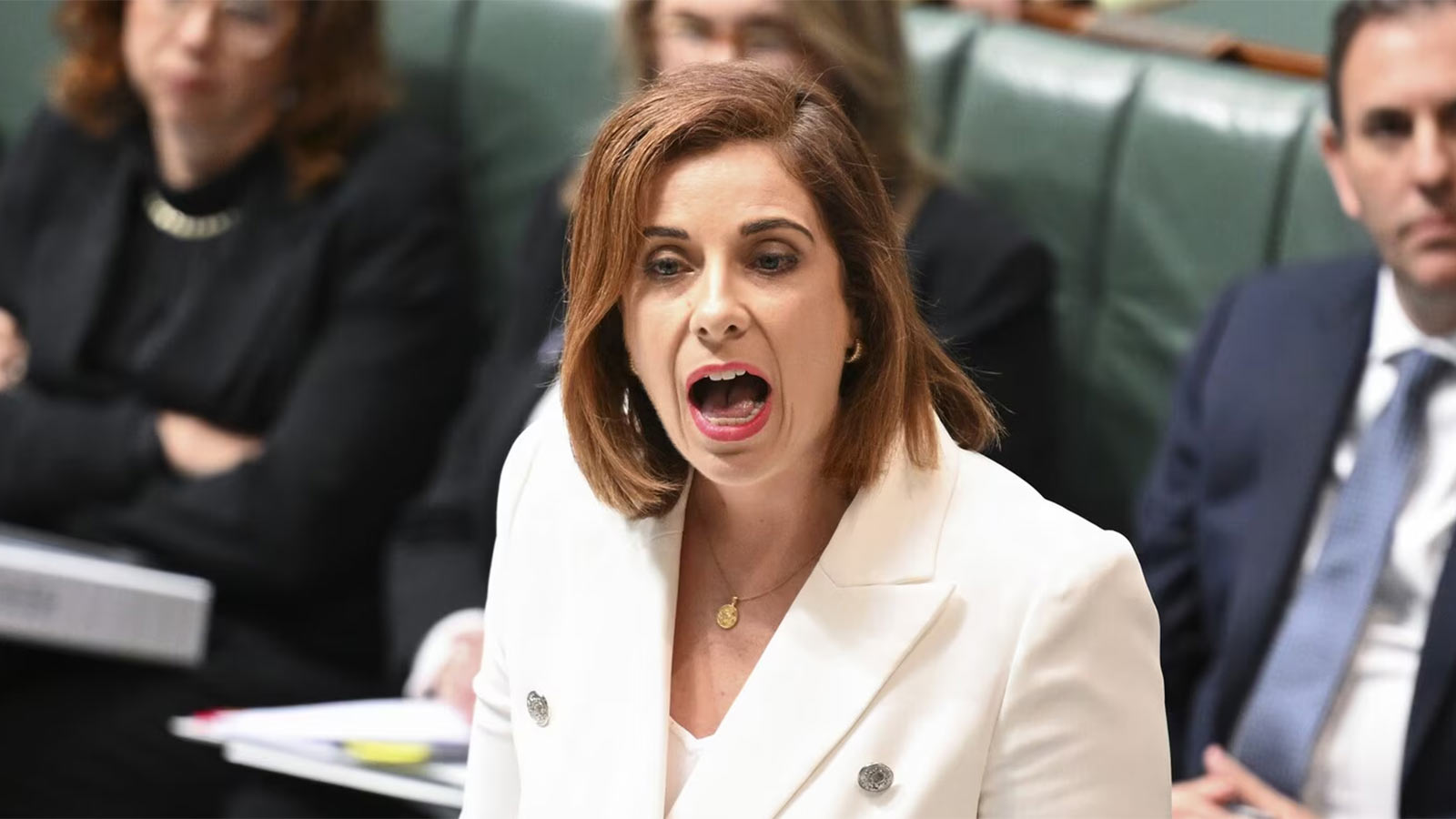
Facing questions at the National Press Club, Wells defended the trip, calling it “incredibly important.” She emphasized transparency, stating, “The reason you know all those things is we’re transparent about them, we’ll disclose them and we’ll continue to disclose them … That event fuelled a global momentum in this space.” Her remarks aimed to reassure the public that the expenditure was not hidden and that the trip had substantial policy benefits, particularly in advancing global efforts to protect children online.
The communications department’s openness about the costs reflects a broader push for accountability in government, yet the size of the bill has triggered criticism, particularly from opposition senators. Liberal senator James McGrath called the costs “disappointing,” arguing, “When Australians are facing a cost of living crisis, they don’t want to find out that federal Labor ministers are spending $35,000 travelling to and from New York, and that’s just the minister’s air fares.”
Broader Debate on Government Spending
This controversy over Wells’ travel expenses has become emblematic of a wider conversation about government spending priorities. Australians are increasingly scrutinizing the necessity and value of overseas trips for officials—especially those funded by taxpayers. The debate echoes questions raised in Senate estimates about similar expenditures, such as the Future Fund’s $20,000 business class trip for a CEO’s executive assistant to scope hotels in the US. These revelations have prompted senators like David Pocock to question whether such activities could be accomplished remotely, especially in the post-pandemic era when virtual meetings have become the norm.
Supporters of Wells argue that face-to-face engagement at international events like the UN General Assembly is crucial for advancing Australia’s interests, especially on complex issues like digital safety for children. Critics, however, contend that the costs are excessive, particularly when many Australians are struggling to pay bills and keep up with inflation. The tension between diplomatic necessity and fiscal responsibility is palpable, and the public’s appetite for transparency has never been higher.
Policy Impact vs. Public Perception
At the heart of this debate is the question: does the tangible policy impact of such trips justify the expense? Wells claims the event at the UN has “fuelled a global momentum” in protecting children online, a policy area that demands international cooperation and high-level advocacy. Meetings with tech giants like Meta, Microsoft, and Amazon signal Australia’s intent to be at the forefront of global digital policy discussions.
Yet, the shadow cast by the cost-of-living crisis means every government outlay faces extra scrutiny. Australians, increasingly wary of government travel expenses, are asking whether the outcomes match the outlays. The government’s willingness to disclose these expenses is a step toward transparency, but it does not automatically quell public concern.
As 2025 draws to a close, the incident serves as a microcosm of the larger challenge facing governments worldwide: balancing the need for international engagement with the imperative to spend public funds responsibly. For Wells and her colleagues, the scrutiny is unlikely to fade soon, as constituents and critics alike weigh the value of overseas diplomacy against the realities of daily life at home.
In light of the facts, Anika Wells’ US trip stands as a test case for government transparency and accountability. While the minister’s defense highlights the importance of global advocacy, the public reaction underscores the need for careful stewardship of taxpayer funds, especially when economic pressures are high. The debate is unlikely to be resolved by disclosure alone; genuine trust will hinge on ongoing dialogue about what constitutes essential expenditure in service of the nation’s interests.