
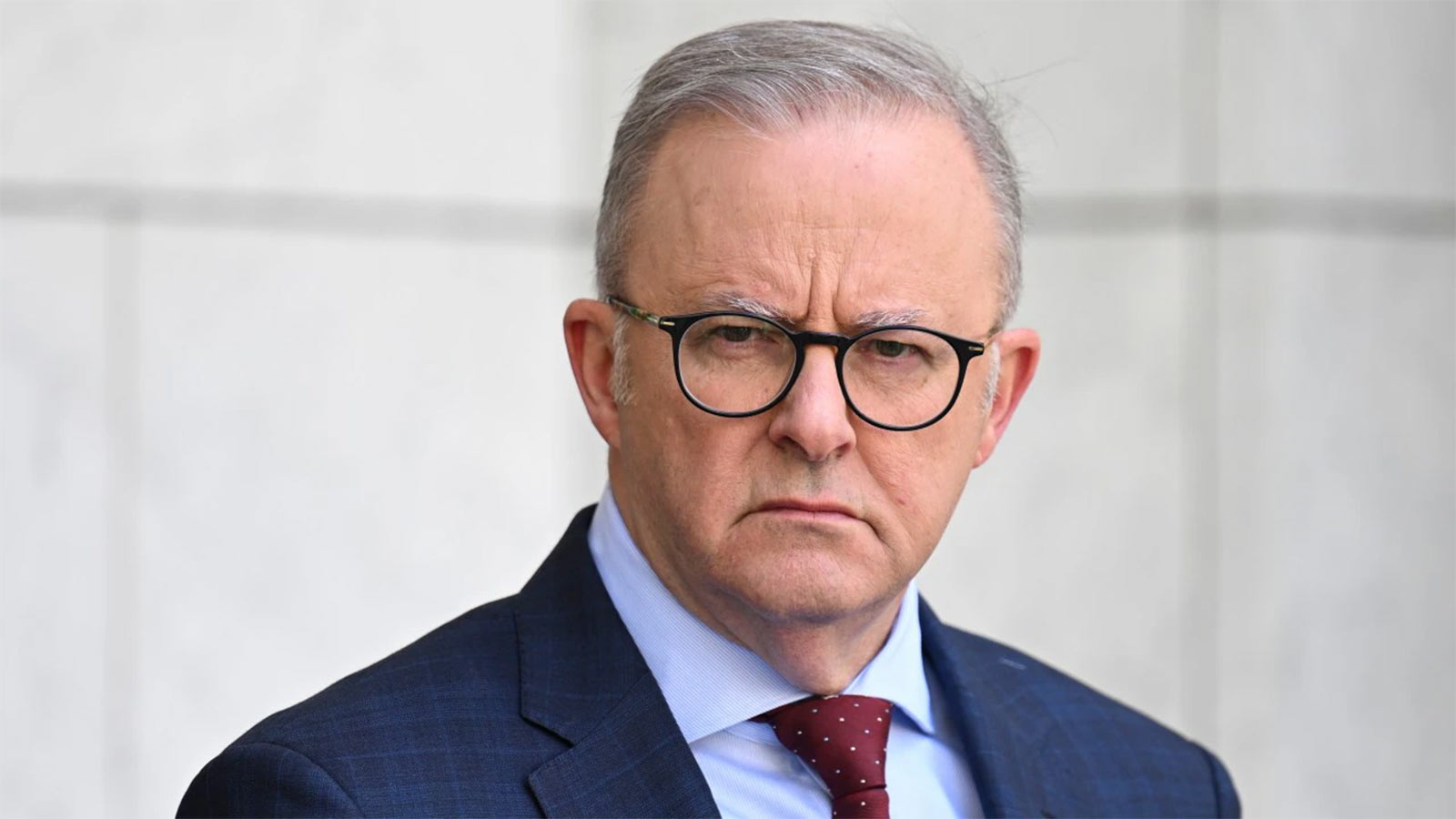
Quick Read
- Anthony Albanese heads to the UN General Assembly for a pivotal diplomatic mission.
- Potential first meeting with Donald Trump could reshape US-Australia relations.
- Australia to formally recognize Palestinian statehood at the UN.
- Defence spending and the future of the AUKUS agreement are key agenda items.
- Climate targets and a social media ban for under-16s also feature prominently.
Albanese’s Diplomatic Balancing Act at the United Nations
Anthony Albanese, Australia’s Prime Minister, is stepping into a diplomatic arena that few leaders ever face. As he jets off to New York for the United Nations General Assembly, the stakes could hardly be higher. Kurt Campbell, one of America’s most respected foreign policy figures, labeled Albanese’s visit a “mission of the highest order.” With the world watching, every move is loaded with consequence.
At the heart of this whirlwind 10-day tour is the possibility of a historic first face-to-face meeting with Donald Trump. Campbell called it “probably the most consequential meeting between an American and Australian in living memory.” The phrase—“everything is on the table”—echoes through the corridors of Canberra and Washington alike.
For months, Albanese and his senior cabinet, supported by Australia’s ambassador to Washington, Kevin Rudd, have worked tirelessly to secure direct time with the US president. The meeting, if it materializes, would likely unfold on the sidelines of the General Assembly, a backdrop that has seen its share of political drama. The anticipation is palpable; the outcome, unpredictable.
Defence, AUKUS, and the Shadow of Trump
The timing of Albanese’s trip is anything but casual. Australia faces mounting pressure from the Pentagon, which is reviewing the AUKUS nuclear submarine pact. The US is urging Australia to ramp up its defense spending, pushing for as much as 3.5% of its GDP. Trump, fresh off a high-profile state visit to Britain and preparing for only a brief appearance in New York, complicates matters with his unpredictable schedule and shifting priorities.
The two leaders were supposed to meet at the G7 summit in Canada earlier this year, but unrest in the Middle East forced Trump to change plans. This delay has become a political headache for Albanese. The uncertainty looms over Australia’s strategic partnerships, with defence and security at the forefront.
Bruce Wolpe, senior fellow at the United States Studies Centre, underscores the urgency: “This is the best way for the two leaders to engage. It will build on the goodwill from their four phone calls so far.” In diplomatic circles, the phrase “litmus test” is being thrown around—will this encounter define the trip?
Australia’s Bold Stance: Recognising Palestine
Albanese is not just in New York for handshakes and photo ops. He’s poised to formally announce Australia’s recognition of Palestinian statehood—a move that instantly drew sharp reactions across the globe. The announcement will come in a speech at the UN, placing Australia in an unprecedented spotlight.
Don Rothwell, professor of international law at the Australian National University, notes the gravity of the moment: “It is exceptional for Australia to use the UN General Assembly to make such an announcement.” The timing is particularly sensitive, following recent findings by the UN’s Independent International Commission of Inquiry that genocide is occurring in Gaza. For Australia, this is not just a policy shift—it’s a moral stance, one that risks inflaming tensions with Israel and its allies.
Indeed, Australia’s announcement has already angered Israel and provoked heated responses from Jewish organizations in Australia, Canada, and the UK. Critics claim the move rewards Hamas and abandons Israeli hostages. The debate is fierce, and the international community is watching.
Climate, Social Policy, and Global Partnerships
Albanese’s agenda is packed. He’s set to promote Labor’s ambitious 2035 climate targets and Australia’s new social media ban for those under 16, signaling a government willing to confront the digital age’s challenges head-on. Before arriving in the UK, Albanese will meet with Turkey’s president, Recep Tayyip Erdoğan, hoping to persuade him to withdraw from the race to host next year’s COP31 climate talks. Australia’s vision is to host the event in Adelaide, partnering with Pacific Island nations, but Turkey is proving to be a formidable negotiator.
In London, Albanese will engage with his UK counterpart, Keir Starmer, whose own government is preoccupied with domestic strife. Then, it’s off to the United Arab Emirates—a region where Australia sees opportunity for expanding exports.
Foreign Minister Penny Wong, already in New York, adds another layer to the story. She’s been clear: Israel is more isolated than ever, and it’s time for its government to “stop undermining a two-state solution.” Albanese’s team is united in its push for a new era of Australian diplomacy—one that does not shy away from hard conversations.
The Global Stage: Risks, Rewards, and Repercussions
Albanese’s journey is more than a routine diplomatic trip. It’s a careful dance on the global stage, where every gesture is scrutinized and every word carries weight. Australia’s decision to recognize Palestine is seen by many as bold, even risky. The prime minister’s willingness to confront both regional and global powers signals a country ready to redefine its place in the world.
Whether Albanese secures a meeting with Trump or not, the trip will leave its mark. As Bruce Wolpe suggests, even a brief encounter could clarify the unpredictable president’s thinking—valuable intelligence, regardless of personal agreement.
In the coming days, the world will watch Albanese navigate the labyrinth of international diplomacy, balancing Australia’s interests with the demands of allies, adversaries, and the global community.
Anthony Albanese’s New York mission is a test of leadership, vision, and resolve. By stepping into the UN spotlight with bold policy moves and navigating high-pressure meetings, he is reshaping Australia’s diplomatic identity at a time when the world is hungry for principled, strategic engagement. The outcome—whether triumph or turbulence—will ripple far beyond these ten days.