
Quick Read
- Anthony Anderson humorously commented on Donald Trump’s golf habits in 2016, saying, ‘I’m not going to say Trump cheats. His caddy cheats for him.’
- Recent allegations of Trump cheating at Scotland’s Turnberry golf course have reignited discussions about his sportsmanship.
- Rick Reilly’s book, ‘Commander in Cheat,’ details Trump’s alleged rule-bending on the golf course.
- Golf serves as a metaphor for integrity, making these allegations significant to Trump’s public image.
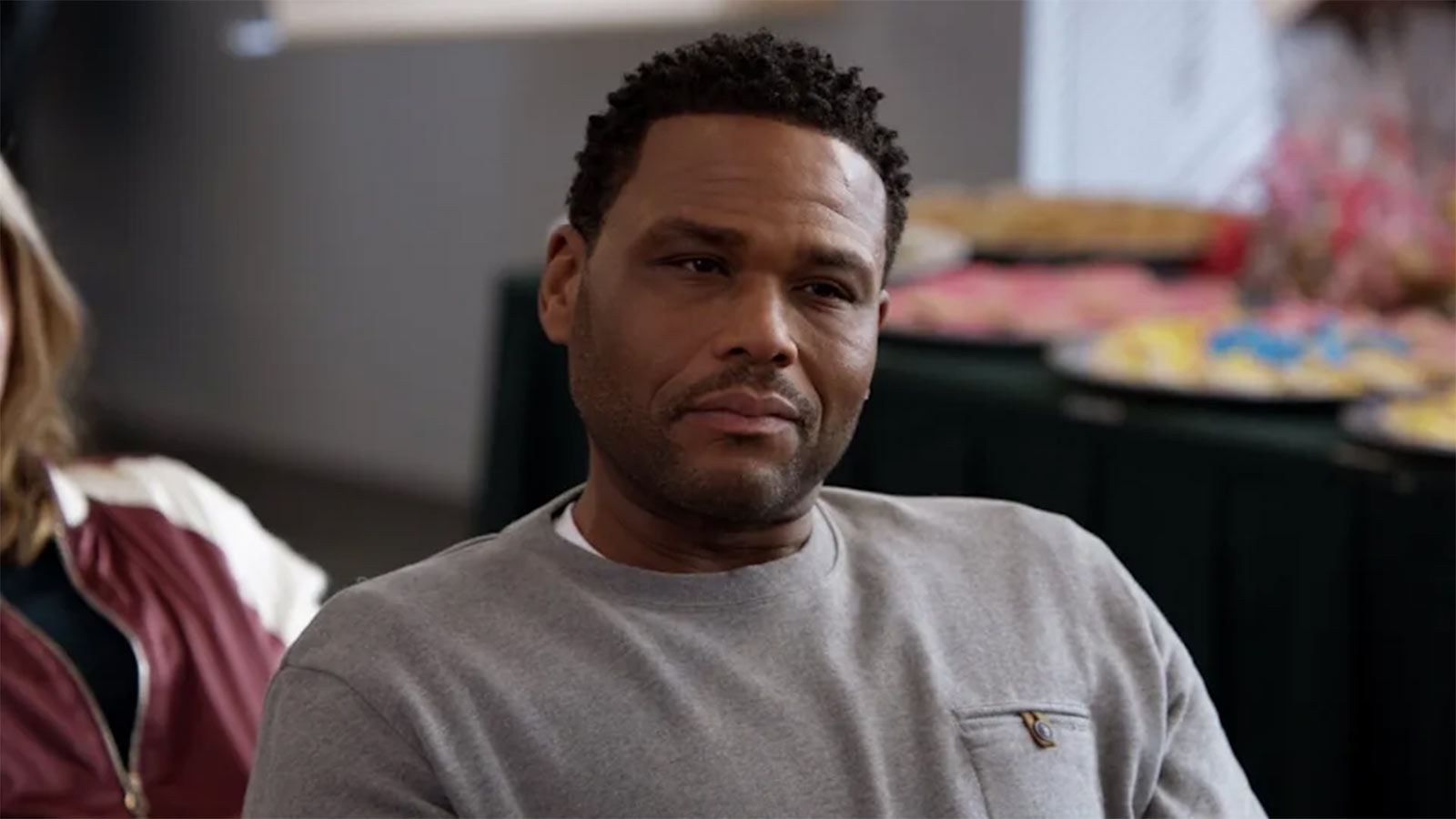
Anthony Anderson, the acclaimed actor known for his roles in television and film, has once again entered the public conversation surrounding $1 Donald Trump. During a 2016 appearance on Late Night With Seth Meyers, Anderson made a lighthearted yet pointed remark regarding Trump’s golfing habits. This comment, which resurfaced recently amidst fresh allegations, adds a curious perspective to the ongoing discourse about Trump’s sportsmanship.
Trump’s Golfing Controversies Resurface
The latest allegations against Donald Trump stem from a viral video captured at the Turnberry golf course in Scotland. In the video, Trump’s caddy appears to drop a ball behind him, which social media users have claimed constitutes cheating. This incident has reignited discussions about Trump’s golfing behavior, with critics and former acquaintances weighing in.
According to a report by PA Wire, Trump has been accused of bending the rules on the golf course before. Notably, the book Commander in Cheat by Rick Reilly delves into these allegations, citing anecdotes from golfers and caddies who have witnessed questionable practices. At one point, caddies at Winged Foot Golf Club reportedly nicknamed Trump “Pele” for his habit of kicking his ball back onto the fairway.
Anthony Anderson’s Take
Anthony Anderson’s remarks on Seth Meyers’ show in 2016 have gained renewed attention. The actor, while refraining from directly accusing Trump of cheating, humorously noted, “Trump is a great golfer. I’m not going to say Trump cheats. His caddy cheats for him.” This statement aligns with the narrative presented by many others who have observed Trump’s approach to the game.
Anderson’s comment is reflective of the broader skepticism surrounding Trump’s sportsmanship. By framing the accusation in a humorous light, Anderson managed to contribute to the conversation without escalating tensions, a move that resonated with both critics and supporters of the $1.
Broader Implications for Trump’s Reputation
These allegations of cheating, whether on the golf course or in other contexts, have significant implications for Trump’s public image. As a high-profile figure, his actions are often scrutinized, and his behavior in seemingly trivial settings like a golf course can influence public perception.
Golf, often seen as a sport of integrity and etiquette, serves as a metaphor for one’s character. Allegations of cheating in this context, even if lighthearted or unproven, can reinforce existing narratives about Trump’s approach to rules and fairness. This is particularly relevant given his history of controversies in both personal and professional spheres.
Why It Matters
The renewed focus on Trump’s golfing habits, coupled with Anderson’s remarks, highlights the enduring fascination with the $1’s persona. While some view these allegations as trivial, others see them as reflective of broader patterns in Trump’s behavior.
For Anthony Anderson, his quip on Seth Meyers’ show was likely a passing comment, but its resurgence underscores how public figures’ statements can gain new relevance over time. As debates about Trump’s legacy continue, even seemingly minor anecdotes like this one contribute to the larger conversation.
In the end, whether on the golf course or the political stage, the actions and words of public figures like Donald Trump and Anthony Anderson remind us of the complexities of reputation and public scrutiny.