
Quick Read
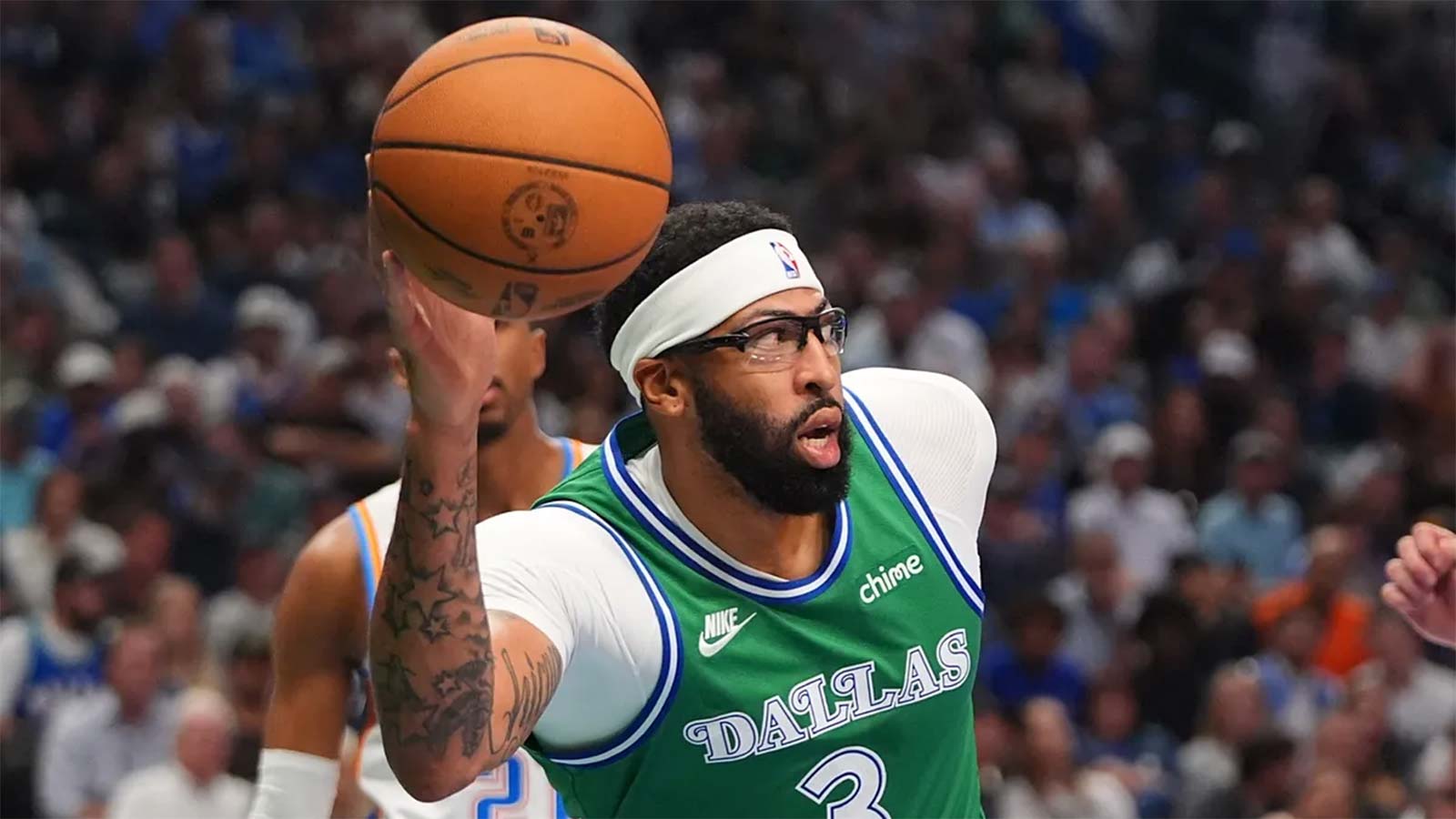
- Anthony Davis returned to play for the Mavericks after missing 14 games due to a calf injury.
- Davis scored 12 points with 5 rebounds, 5 assists, and 3 blocks, but the Mavericks lost 129-119 to the Lakers.
- Austin Reaves led the Lakers with 38 points; Luka Dončić scored 35 points against his former team.
- The Mavericks have struggled this season, facing injuries and front office changes.
- Davis’s future with Dallas is uncertain amid rumors and shifting team dynamics.
Anthony Davis Makes Emotional Return Amid Mavericks’ Struggles
Friday night in Los Angeles was a moment that Dallas Mavericks fans—and perhaps Anthony Davis himself—had circled on their calendars. It was the first time Davis set foot on the Crypto.com Arena floor since his shocking trade to Dallas, and the anticipation was palpable. The crowd greeted him with a standing ovation, a rare and poignant reminder of his championship legacy with the Lakers. But as soon as the game tipped off, the warm welcome faded into the harsh reality of NBA competition.
Game Recap: Lakers Outlast Mavericks Despite Davis’ Efforts
Davis, back after a 14-game absence with a strained calf, played under a strict minutes restriction. In 28 minutes, he posted 12 points, 5 rebounds, 5 assists, and 3 blocks, showing flashes of his old self despite the limited time. Yet, the Mavericks fell short, losing 129-119 to the Lakers. Austin Reaves dazzled for Los Angeles, scoring 38 points on blistering efficiency, while Luka Dončić—ironically, the player the Lakers acquired in exchange for Davis—dropped 35 points and 11 assists against his former team.
The Mavericks held a narrow lead with less than eight minutes to play, but the Lakers clamped down defensively. A 13-1 run, capped by big shots from Reaves and Deandre Ayton, sealed Dallas’s fate. LeBron James, another ex-teammate, contributed 13 points, including a decisive three-pointer late in the game. Davis was subbed out midway through the fourth quarter, visibly frustrated as his team’s hopes slipped away.
Injury Woes, Minutes Restrictions, and Front Office Upheaval
Davis’s return was tightly managed. Mavericks coach Jason Kidd admitted, “First game back, trying to get the rhythm, trying to get the flow. Just being with those guys on the floor. I thought he was good on both ends.” The caution is understandable—last season, Davis aggravated an adductor injury by returning too soon, costing him six more weeks on the bench. This season, he’s played only five games, averaging 20.8 points and 10.2 rebounds when healthy, but the team has struggled to find consistency without their star big man.
Dallas’s caution with Davis wasn’t just medical. Team ownership reportedly insisted on full clearance before he could play, a sign of how valuable—and vulnerable—the 32-year-old All-Star remains. Davis himself acknowledged, “It’s always tough with a minute restriction. You want to play, especially in the fourth.” The Mavericks, now 5-15 after the loss, are in a precarious position, having lost five of their last six games despite a noticeable boost in play with Davis back in the lineup.
Roster Uncertainty and a Shifting Future
The Mavericks’ challenges go beyond the court. Earlier this month, the team fired Nico Harrison, the former president of basketball operations and architect of the blockbuster Davis-Dončić trade. Harrison’s departure has left the Mavericks in a state of flux, with Mark Cuban now part of a GM-by-committee. Davis admitted surprise at the move, and rumors have begun swirling about his future in Dallas. With the team increasingly built around 18-year-old rookie Cooper Flagg, Davis finds himself at an awkward crossroads—a veteran with All-Star credentials, but not necessarily the centerpiece of Dallas’s long-term plans.
“No matter of a trade or a dismissal, you got to keep moving,” said Kidd. “For AD, [it] was the focus on his body, come back healthy. So he’s healthy, he’s ready to go. Get him in the lineup, get him some minutes and have a positive experience. Can’t get everything solved in [28] minutes tonight, but as we go forward, we feel like we have a chance to win when he’s in uniform.”
Davis’s role going forward is uncertain. A trade before the February deadline is possible, though Cuban has publicly denied any immediate plans. For now, Dallas will continue to manage Davis’s workload and hope his presence can help stabilize a team in transition.
Looking Ahead: Mavericks at a Crossroads
Dallas faces the Clippers next, with Davis slated to sit out due to ongoing injury management. The team is searching for answers, trying to recapture the energy that carried them to the playoffs just two years ago. Rookie Cooper Flagg’s emergence is promising, but the Mavericks’ immediate fate hinges on Davis’s health and ability to integrate into a lineup that’s been in constant flux.
For Davis, the night was bittersweet. “Anytime you sit down and you see these guys compete, especially in close games, you wish you could be out there,” he said. “We just keep competing. We’re getting great looks and making the right plays. Just a couple of plays here and there that usually hurt us. So keep playing, keep fighting. Positive attitude. I feel like we’re right there. We just got to keep going.”
In a league defined by constant change, the Mavericks’ story is one of unfinished business. Davis’s return is a step in the right direction, but the road ahead remains uncertain—and the stakes, both for him and the franchise, couldn’t be higher.
Assessment: Anthony Davis’s return showcased his resilience and value, but also highlighted the Mavericks’ deeper issues: injuries, leadership instability, and a roster in flux. While Davis’s presence immediately improved Dallas’s competitiveness, the team’s future hinges on whether he can stay healthy—and whether the organization commits to building around him or pivots to a new era. The next few months will be critical, both for Davis’s legacy and the Mavericks’ direction.