
Quick Read
- A new anti-drone laser system has been installed near Mar-a-Lago to protect the estate and local airspace.
- Drone incursions over sensitive U.S. sites have doubled in the last year, prompting the Pentagon to authorize more aggressive countermeasures.
- Federal authorities and the FAA face ongoing friction regarding the lack of coordination during anti-drone operations, which have previously disrupted commercial flights.
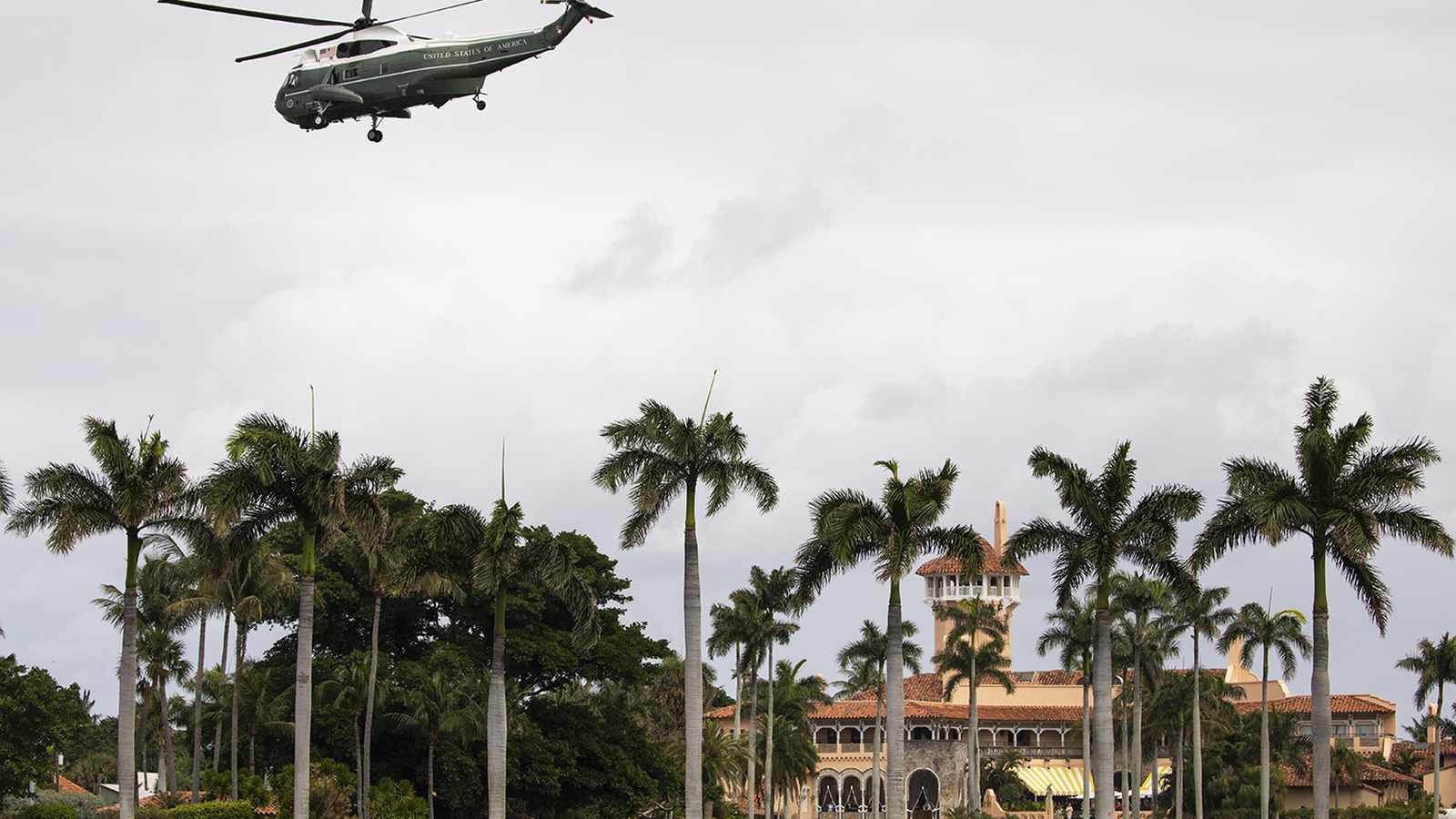
PALM BEACH (Azat TV) – A sophisticated counter-uncrewed aircraft system (C-UAS) has been identified atop a structure near Palm Beach International Airport, a move aimed at bolstering the security of President Donald Trump and his Mar-a-Lago estate. The installation, which features a direct energy laser weapon, represents an escalating effort by federal authorities to secure high-value domestic sites against unauthorized drone activity.
Expanding Domestic Airspace Defenses
The device, confirmed by local media reports, utilizes invisible laser technology designed to jam signals or neutralize aerial threats. This deployment follows a series of security scares involving unidentified drones over U.S. military bases, including sites housing nuclear-capable assets. While the Pentagon has increasingly prioritized C-UAS capabilities, the presence of such hardware near a civilian transit hub highlights the tension between public safety and the urgent need to protect sensitive locations.
According to experts, the system is mobile and can be deployed rapidly. Its presence at the Palm Beach perimeter serves as a defensive buffer for the estate, which has been under a 24/7 temporary flight restriction since October. This measure comes as the Department of Defense continues to refine its response to drone incursions, which have risen from roughly 230 cases between 2023 and 2024 to over 420 in the following year, according to U.S. Northern Command data.
Operational Risks and Regulatory Tensions
The use of directed energy weapons in domestic airspace has faced significant scrutiny. Earlier this year, the Pentagon’s experimental use of similar laser technology near El Paso International Airport led to unexpected airspace closures. In those instances, local officials and the Federal Aviation Administration (FAA) reported that the military failed to coordinate effectively, causing major disruptions to commercial aviation. The potential for signal jamming to interfere with civilian radar systems remains a primary concern for the FAA, which continues to navigate the balance between national security and aviation safety.
Under new guidance issued by Secretary of Defense Pete Hegseth in December, the Pentagon is now authorized to treat drone surveillance of military facilities as an explicit threat, allowing for more aggressive countermeasures. This policy shift is supported by the federal government’s broader investment in anti-drone technology, including an $87 million contract awarded to Anduril for a centralized command-and-control platform. Furthermore, the Safer Skies Act has expanded these capabilities to state and local entities, backed by a $500 million FEMA grant program.
The installation of these systems signals a permanent shift in how the U.S. government views domestic airspace, moving from a reactive posture toward a proactive, militarized security model that prioritizes the protection of high-profile political and military assets even at the expense of commercial aviation efficiency.