
Quick Read
- Federal prosecutors charged 20 men, including former NBA player Antonio Blakeney, in a college basketball and Chinese league game-fixing conspiracy.
- The scheme allegedly involved 39 college players on over 17 Division I teams, manipulating more than 29 games between 2023-2025.
- Blakeney reportedly received $200,000 for underperforming in Chinese league games (Jiangsu Dragons) and later helped recruit college players.
- Gamblers Shane Hennen and Marves Fairley are central figures, also linked to a separate NBA gambling scandal.
- The NCAA is actively investigating and advocating for a ban on prop bets in college sports to protect athletes.
PHILADELPHIA – Federal prosecutors have unveiled a wide-ranging indictment against 20 men, including former NBA player Antonio Blakeney, alleging a sophisticated conspiracy to manipulate college basketball games and professional contests in China. The charges, announced Thursday by the U.S. Attorney’s Office for the Eastern District of Pennsylvania, detail a scheme that spanned from 2022 to 2025, involving dozens of players and millions of dollars in wagers.
At the heart of the alleged operation are Shane Hennen and Marves Fairley, two individuals previously indicted in an NBA sports gambling scheme in New York. Prosecutors contend that Hennen and Fairley partnered with Blakeney and others to orchestrate game-fixing, first in the Chinese Basketball Association (CBA) and then expanding into NCAA Division I college basketball.
The Scheme’s Genesis: China’s Jiangsu Dragons
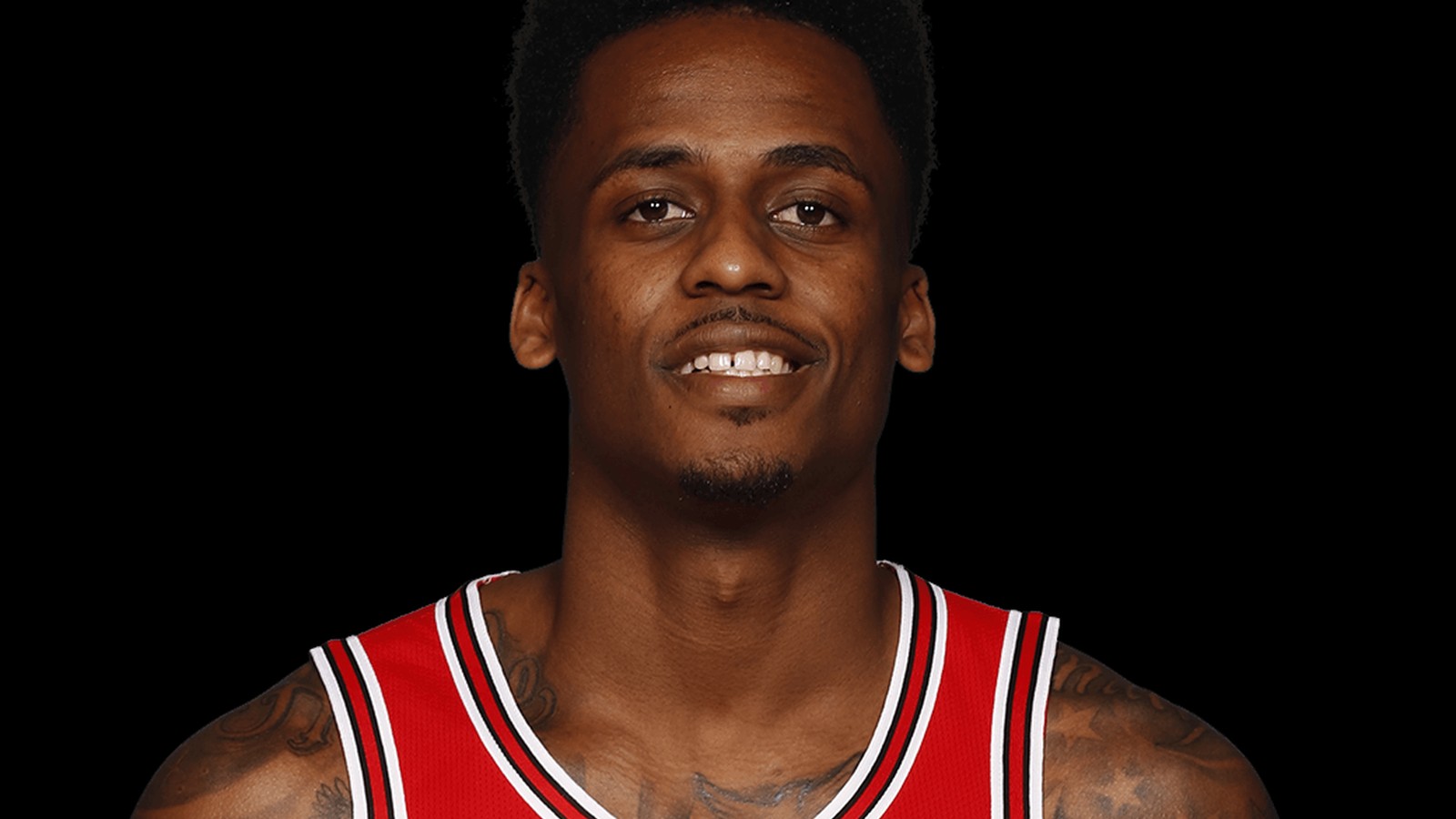
The intricate web of deceit, according to prosecutors, began in 2022. Hennen and Fairley allegedly recruited Antonio Blakeney, then playing for the Jiangsu Dragons in China, to intentionally underperform in games. Blakeney, a 6-4 shooting guard who played two seasons for the Chicago Bulls, was reportedly asked to manipulate his performance to ensure certain betting outcomes.
One notable instance cited by prosecutors occurred in March 2023. Hennen and Fairley allegedly placed $198,300 at a Pennsylvania casino, among other wagers, on a game where Jiangsu was an 11.5-point underdog. Blakeney, who averaged over 32 points per game that season, scored just 11 points in that particular match, with his team ultimately losing by 31 points. Later that month, Blakeney allegedly informed the conspirators that he would sit out a game on March 15 but that his replacement would accept money to influence the game’s outcome, leading Hennen and Fairley to wager approximately $100,000 on that contest.
The Chinese phase of the operation proved lucrative. Prosecutors allege that Blakeney received a substantial payment of $200,000 at the end of the season for his involvement, with another defendant reportedly dropping the cash into a storage unit Blakeney maintained in Florida. The profitability even led Hennen to text another participant, stating, “Nothing gu[a]rantee[d] in this world but death[,] taxes[,] and Chinese basketball.”
Shifting Focus to College Basketball
Following their success in China, the group allegedly shifted its focus to Division I college basketball games during the 2023-24 and 2024-25 seasons. The indictment specifies that the scheme ultimately implicated 39 college basketball players across more than 17 teams, who were allegedly bribed to shave points in over 29 Division I games. Players were reportedly offered between $10,000 and $30,000 per game to ensure their teams failed to cover the point spread – the margin by which sportsbooks predicted a team would lose or win.
U.S. Attorney David Metcalf underscored the gravity of the situation, stating, “This is a prosecution of the criminal corruption of college athletics.” The alleged point-shaving ring touched numerous institutions, including DePaul, Nicholls State, Tulane, La Salle, Fordham, Northwestern State, Saint Louis, Buffalo, Robert Morris, Southern Miss, North Carolina A&T, Coppin State, University of New Orleans, Abilene Christian, Alabama State, and Kennesaw State. Among the charged individuals, four are currently active college basketball players: Simeon Cottle of Kennesaw State, Carlos Hart of Eastern Michigan, Camian Shell of Delaware State, and Oumar Koureissi of Texas Southern.
The charges against the 20 men include conspiracy to commit wire fraud, bribery, and conspiracy, with fraud charges carrying a maximum sentence of up to 20 years and bribery charges a maximum of five years. Of the 20 indicted, 15 were current or former college basketball players.
Broader Connections and NCAA’s Stance
The indictment also highlights connections to other gambling investigations. Shane Hennen and Marves Fairley were previously charged in a federal district in New York in October 2025 for allegedly running an NBA sports gambling scheme, which reportedly involved high-profile players like Terry Rozier. Hennen was also implicated in a separate case involving a poker ring that allegedly defrauded victims using ex-athletes such as Chauncey Billups and Damon Jones as lures. While Hennen and Fairley have pleaded not guilty to all charges, U.S. Attorney Metcalf clarified that despite common defendants, the college basketball scheme is fundamentally different from the NBA and poker cases in its execution and the crimes involved.
Meanwhile, the NCAA has been actively investigating schools and athletes named in the indictment. Over the past year, the association has declared more than a dozen Division I men’s basketball players permanently ineligible for manipulating game results, making impermissible bets, providing insider information to gamblers, and failing to cooperate with investigations. NCAA President Charlie Baker emphasized the organization’s commitment to protecting competition integrity, stating, “We are thankful for law enforcement agencies working to detect and combat integrity issues and match manipulation in college sports.”
At a recent NCAA convention, Baker also voiced strong concerns about the proliferation of legalized gambling, particularly ‘prop bets’ on individual player performances in college sports. He noted that while some sportsbooks have removed prop bets for NBA games due to risk, they have been reluctant to do the same for college sports, arguing that the industry’s pursuit of profit is coming at the expense of student-athletes. The NCAA has been lobbying for a nationwide ban on such bets, with four states already removing them.
The charges against Antonio Blakeney and 19 others serve as a stark reminder of the persistent threat that illicit gambling poses to the integrity of sports, from professional leagues to collegiate athletics. The alleged actions, particularly the manipulation of individual player performances, not only undermine the fairness of competition but also erode public trust in the games themselves. This extensive federal crackdown, coupled with the NCAA’s increasingly assertive stance, signals a critical juncture in the ongoing battle to safeguard the sanctity of sports against the pervasive influence of illegal betting operations.