

Quick Read
- Alexandria Ocasio-Cortez is preparing for a 2028 run for president or Senate.
- She has amassed 36.7 million followers across social media.
- AOC’s team includes former Bernie Sanders advisers and has invested millions in digital outreach.
- A Senate race against Chuck Schumer would represent a generational clash.
- Recent polling shows AOC with net positive favorability, higher than Trump or Biden.
AOC’s Rising Influence and 2028 Strategic Moves
In the ever-evolving landscape of American politics, few figures have captured public imagination and political momentum quite like Rep. Alexandria Ocasio-Cortez (D-N.Y.), known to millions simply as AOC. As 2028 approaches, insiders say her team is meticulously laying the groundwork for a campaign that could either target the presidency or shake up the U.S. Senate by challenging Chuck Schumer, the Democratic Minority Leader.
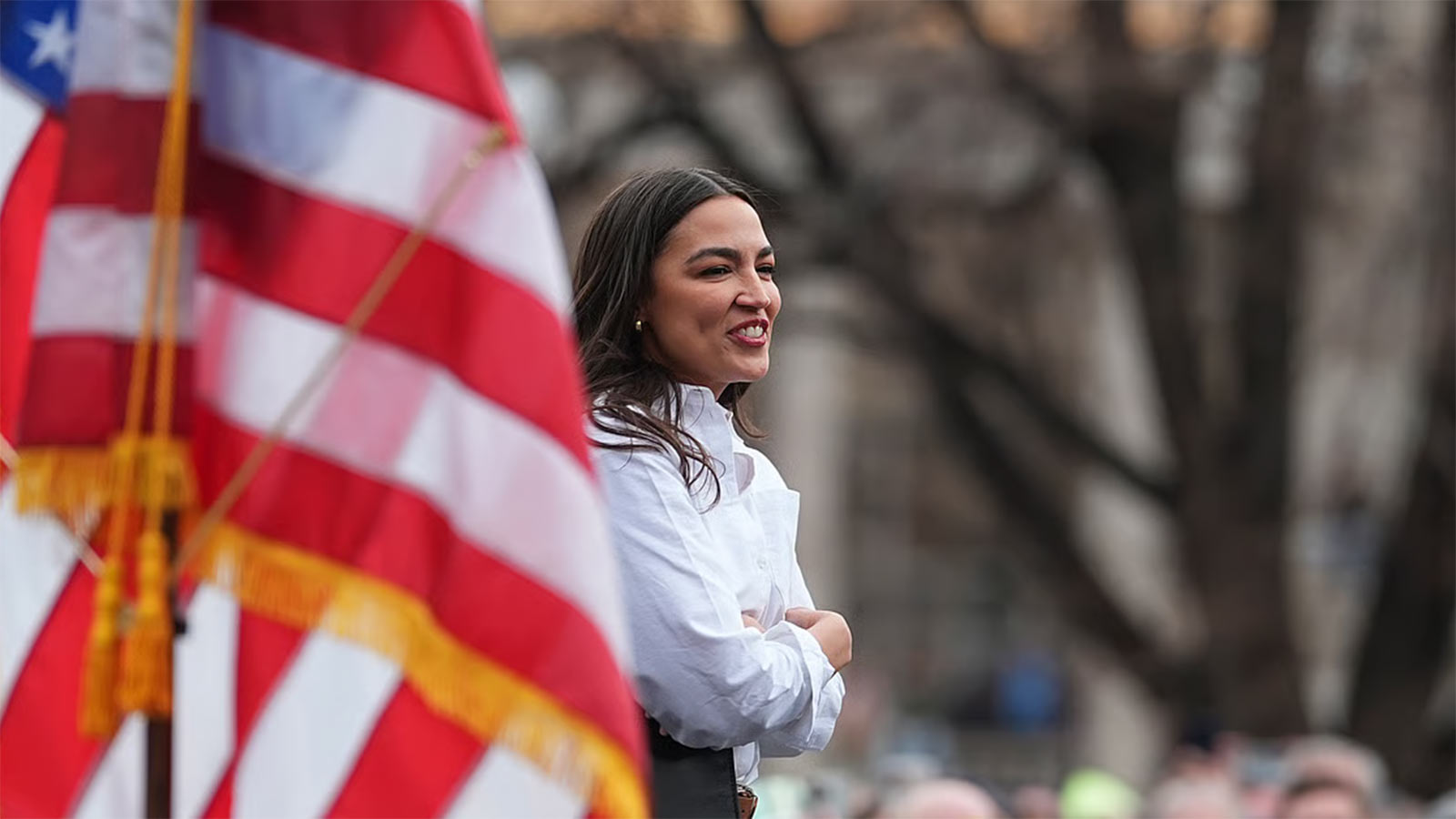
Her ambitions, though not yet publicly confirmed, have prompted widespread speculation—and, if realized, could upend the traditional order of Democratic politics. The question isn’t merely whether Ocasio-Cortez will run, but what her candidacy would mean for a party grappling with generational divides and shifting ideological winds.
Senate Showdown or Presidential Leap: A Generational Clash
Chuck Schumer, a fixture in New York and national Democratic politics, faces re-election in 2028 at the age of 74. Ocasio-Cortez, at 35, represents the insurgent, progressive wing—a sharp contrast to Schumer’s pragmatism and institutional legacy. A Senate race between the two would be more than just a contest for a seat; it would symbolize the tension between tradition and transformation within the Democratic Party.
Axios reports that AOC’s recent activities—town halls in upstate New York, outreach far beyond her Bronx and Queens district, and strategic hires of seasoned campaign advisers—are signs of a campaign built for scale. She’s expanding her appeal, not just to urban voters but to communities statewide, signaling readiness for a broader fight.
“Plattsburgh, we are here because every town, every city, every neighborhood in this state matters. Every corner matters. No one deserves to be ignored,” Ocasio-Cortez declared at a summer town hall, reframing her image from urban firebrand to statewide unifier.
Digital Domination and Grassroots Momentum
AOC’s digital presence is, in a word, formidable. In 2025 alone, her team has spent millions on social media outreach and data acquisition, positioning her as one of the most visible—and most followed—politicians in America. With over 36.7 million followers across platforms like Instagram, TikTok, Bluesky, X, and Facebook, she eclipses not only Schumer but nearly every other potential 2028 contender.
Her digital strategy isn’t just about visibility; it’s about mobilization. According to Chaotic Era newsletter author Kyle Tharp, “Her team has spent more on digital advertising than almost any other politician in 2025, and as a result, they have brought in hundreds of thousands of new small-dollar donations.” This grassroots fundraising machine echoes the model pioneered by Bernie Sanders, whose former advisers are now helping to steer AOC’s operations.
“She has a supporter base that, in many ways, has a larger potential width than Bernie’s,” Ari Rabin-Havt, a longtime Sanders aide, told Axios. “She has been in the glare of the spotlight from day one and has the national campaigning experience a lot of other potential candidates are now trying to get.” Rabin-Havt’s observation points to a simple truth: AOC isn’t just building a campaign; she’s cultivating a movement.
Progressive Vision: Medicare for All, Green New Deal, and Fighting Oligarchy
Since her upset victory in 2018, Ocasio-Cortez has been a relentless advocate for progressive policies—Medicare for All, the Green New Deal, and the abolition of Immigration and Customs Enforcement (ICE) among them. Her platform has resonated with younger voters and energized crowds nationwide.
This year, AOC joined Bernie Sanders on the “Fighting Oligarchy” tour, traveling coast-to-coast to rally against the outsized influence of wealthy elites in politics. The tour drew tens of thousands, including a record-setting 34,000 at a single Las Vegas event—the largest ever held by the Democratic Party. In these rallies, chants of “AOC! AOC!” reverberated, signaling not just enthusiasm but a hunger for change.
Her message is clear: the Democratic Party must represent the voices of the many, not just the powerful few. Even if Ocasio-Cortez ultimately decides against a White House bid, some allies believe she might run simply to ensure the progressive wing is heard—just as Sanders did in 2016.
Public Perception and Favorability
Recent polling underscores AOC’s rising star. She is viewed more favorably than either President Donald Trump or $1 Joe Biden, and she remains one of only three American politicians with a net positive favorability rating, according to Raw Story. This broad appeal gives her a unique advantage in any race she chooses to enter, especially among voters seeking generational change.
Her favorability isn’t limited to progressive circles. By expanding her outreach and investing in digital engagement, Ocasio-Cortez is positioning herself as a candidate capable of bridging divides—ideological, generational, and geographic.
2028: A Defining Moment for the Democratic Party?
The stakes for 2028 couldn’t be higher. Whether AOC chooses to challenge Schumer for the Senate or leap into the presidential fray, her campaign will test the boundaries of Democratic orthodoxy and the appetite for bold, progressive leadership.
Her team remains tight-lipped, with official statements declining to comment. Yet, every move—from strategic hires to high-profile rallies—suggests preparation for a major campaign. The decision, when it comes, will not just be about personal ambition but about the future direction of American progressivism.
In the words of Ari Rabin-Havt: “It would be the height of arrogance to assume she couldn’t win the 2028 nomination.” That confidence isn’t mere bravado—it’s rooted in data, enthusiasm, and the undeniable momentum that AOC has cultivated since her first days in Congress.
As the Democratic Party approaches a pivotal crossroads, Alexandria Ocasio-Cortez’s potential candidacy is more than a personal milestone—it’s a reflection of a generational yearning for renewal. Whether she runs for Senate or president, her campaign is poised to challenge entrenched power and redefine what it means to lead in modern America.