
Quick Read
- Seven wild animals were removed from the Miracle Garden restaurant complex’s holding area for lacking proper permits.
- Birds listed in Armenia’s Red Book were among those seized.
- They were relocated to the Yerevan Zoo.
- Officials did not disclose further details about the species involved or the licensing issues.
- The incident highlights ongoing concerns about compliance with wildlife protection laws in private venues.
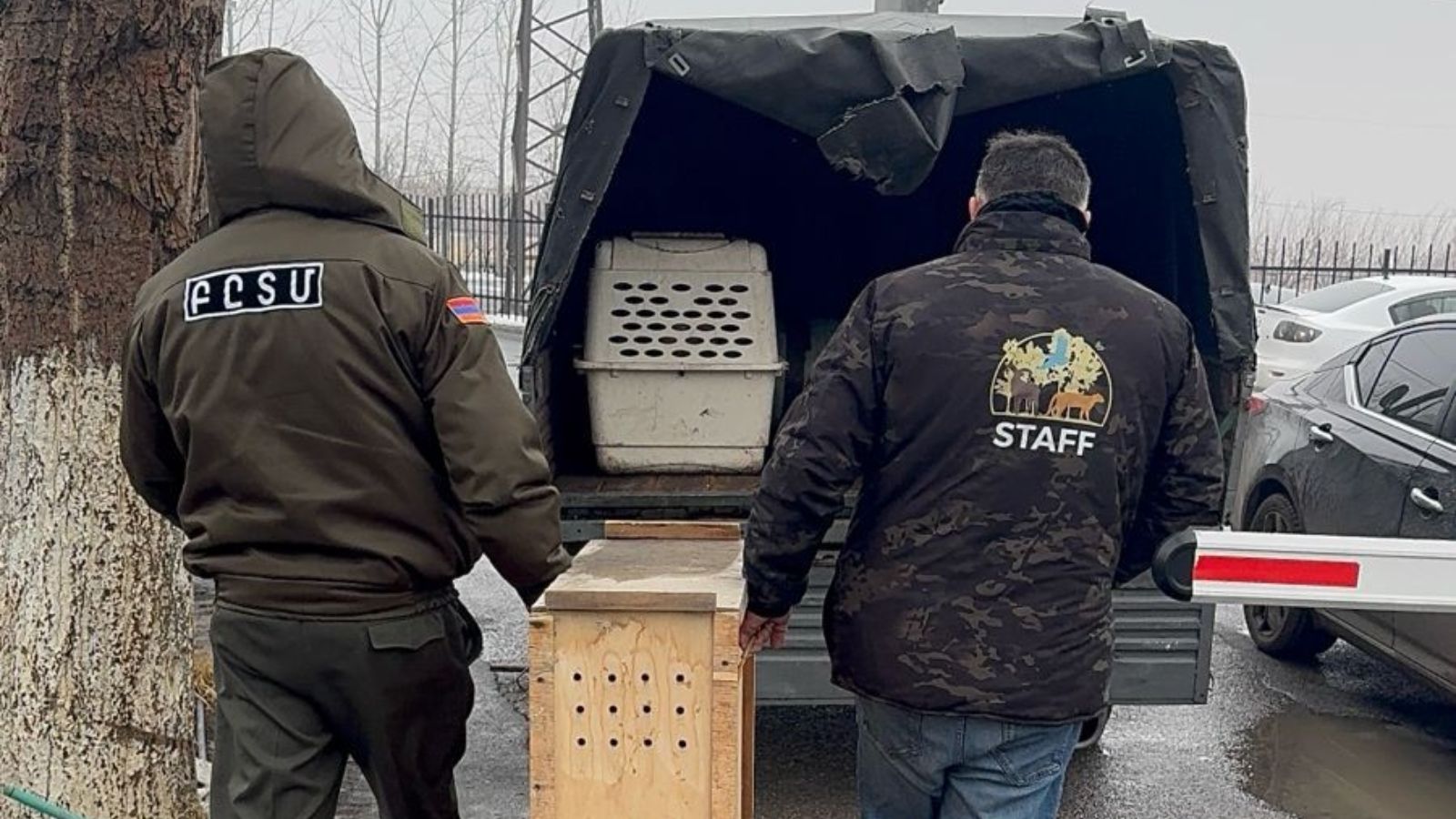
Seven wild animals were removed from the holding area at the Miracle Garden restaurant complex in Yerevan after authorities determined they were being kept without proper permits. The transfer, which culminated in the animals being relocated to the Yerevan Zoo, was confirmed by officials familiar with the case. While the exact species of all seven animals have not been publicly disclosed, authorities stressed that among them were birds listed in Armenia’s Red Book, the national register of threatened species designed to protect wildlife in the country.
Officials described the action as a compliance measure in line with wildlife protection standards and licensing requirements. The removal from the private venue’s holding area indicates that the complex did not have the necessary authorization to retain wild animals, at least at the time the check was conducted. The move to the public zoo ensures that the animals can be cared for in facilities with established welfare protocols and monitoring systems. However, officials did not provide a full breakdown of the licensing issues or the criteria used to determine the lack of permission, nor did they specify the species involved beyond the mention of Red Book-listed birds.
The Yerevan Zoo confirmed receiving the animals, though it did not issue a public statement detailing the transfer beyond acknowledging that it had taken in the animals for care. In many countries, zoos and accredited wildlife facilities are regarded as appropriate environments for housing and rehabilitating confiscated wildlife, offering veterinary oversight, nutrition plans, and enrichment programs that are often not available at private venues. The present case underscores the role of such institutions in upholding animal welfare standards when private facilities fail to meet regulatory requirements. It also raises questions about the oversight of private entertainment venues that host wild animals, including the adequacy of licensing processes and the frequency of inspections.
Armenia’s wildlife-protection framework requires permits for keeping wild animals and imposes restrictions on private facilities that display, house, or otherwise manage wildlife. The Armenian Red Book lists species considered at risk and subject to protective measures, and authorities have long emphasized the need for strict adherence to permit requirements and humane housing standards. Proponents of stronger oversight argue that incidents like this should spur more transparent licensing practices, clearer guidelines for private operators, and regular inspections to prevent the private retention of wild animals without proper supervision. Critics also stress the importance of public awareness and robust enforcement to deter potential exploitation or neglect in non-governmental or commercial settings.
The Miracle Garden case remains under investigation, and officials have not disclosed all details about the seven animals or the initial circumstances surrounding their confinement. While it is unclear whether any regulatory steps other than the removal are planned, the incident is likely to feed into ongoing debates about how best to balance private enterprise with animal welfare and conservation obligations in Armenia. If further information becomes available, authorities have indicated that they will share updates to clarify precisely which species were involved and what remedial actions will follow for the facility in question.
The episode illustrates the urgent need for transparent, consistent licensing and rigorous enforcement of wildlife-protection laws in private ventures that house exotic animals. As Armenia continues to refine its regulatory framework, stakeholders hope for clearer standards and stronger oversight to safeguard animal welfare and prevent similar unauthorized holdings in the future.