
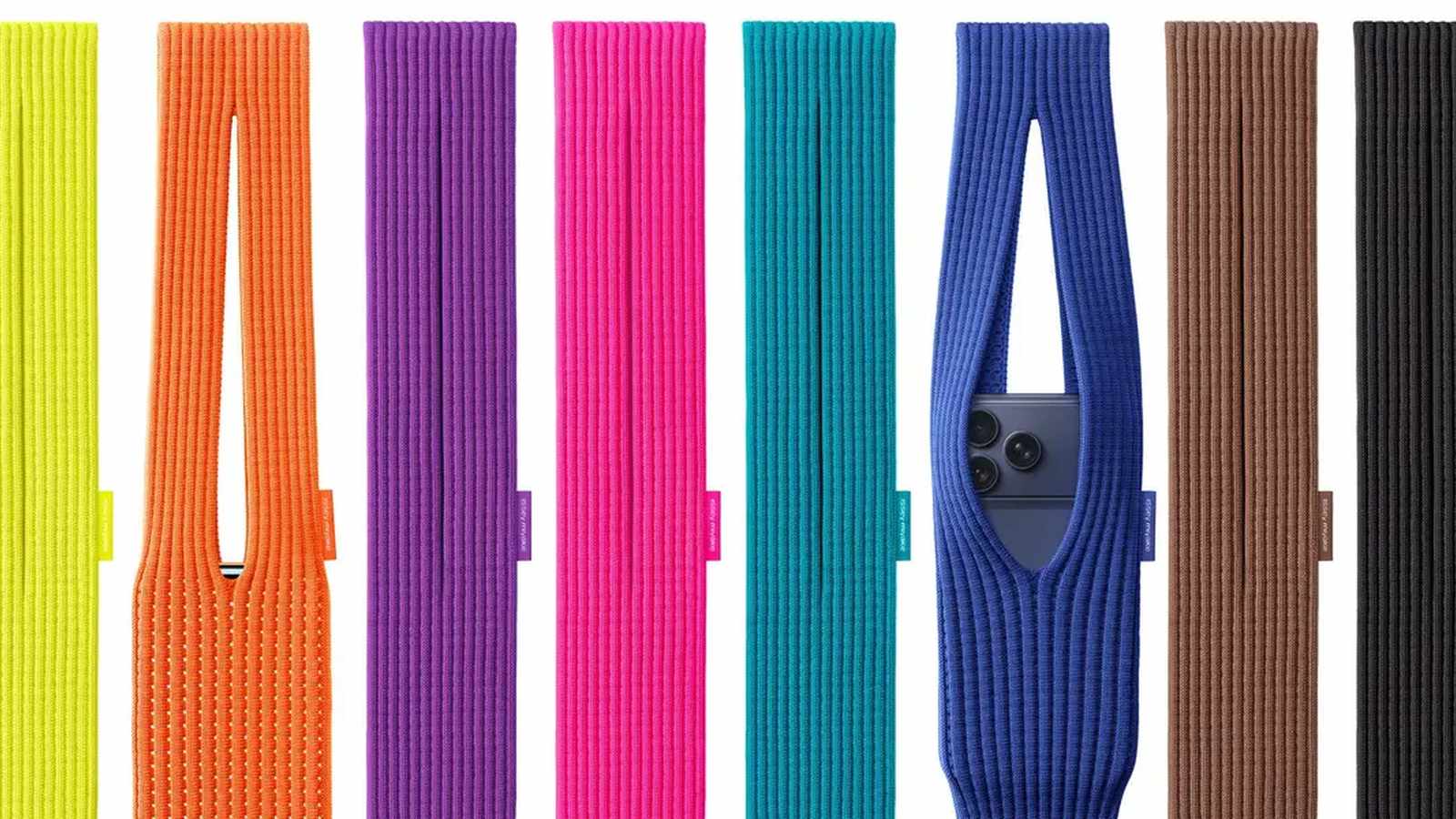
Quick Read
- Apple and Issey Miyake launched the iPhone Pocket, a limited-edition, 3D-knitted phone accessory.
- Available in two sizes (short and long) and multiple colors, prices start at $150.
- The design emphasizes simplicity and is inspired by the concept of ‘a piece of cloth.’
- Users can wear it crossbody, on the wrist, or attached to a bag.
- Sales begin November 14, 2025, in select Apple Stores worldwide and online.
Apple and Issey Miyake Redefine the iPhone Accessory
In a world where smartphones have become almost an extension of our bodies, Apple is asking: what if the device you reach for dozens of times a day could be worn like a piece of clothing? That’s the question at the heart of Apple’s latest collaboration with Japanese luxury fashion house Issey Miyake, introducing the iPhone Pocket—a 3D-knitted, limited-edition accessory that’s as much about personal expression as it is about practicality.
The Intersection of Technology and Fashion
Apple’s move into wearable tech accessories isn’t new, but the iPhone Pocket marks a turning point. Unlike previous crossbody cases or silicone sleeves, this new product is the result of a partnership with Issey Miyake, a brand celebrated for its avant-garde approach to textiles and its storied connection to Apple’s own history. Issey Miyake’s pleated fabrics are legendary—and, as Mashable notes, the designer behind Steve Jobs’ iconic black turtleneck.
The iPhone Pocket isn’t just a case; it’s designed to be worn, displayed, and styled. Inspired by the idea of «a piece of cloth,» the accessory is crafted using a singular 3D-knitted technique, offering a stretchy, ribbed construction that is both protective and revealing. Apple highlights that when the fabric is stretched, the open weave lets users glance at their screen without removing the phone, blending convenience with style.
Design, Colors, and Versatility
Available in two sizes—the short strap and the long strap—the iPhone Pocket caters to different ways people carry their phones. The short pocket ($149.95) can be worn on the wrist or attached to a bag, while the long version ($229.95) is designed to be worn crossbody, like a minimalist sling.
Color options play a central role in the appeal. The short strap design comes in eight vibrant shades: lemon, mandarin, purple, pink, peacock, sapphire, cinnamon, and black. The long strap is available in sapphire, cinnamon, and black. These choices aren’t just about aesthetics; they’re meant to let users mix, match, and personalize how they wear their iPhone, turning the device into a fashion statement.
Apple’s product photos show the pocket paired with the latest iPhone models—including the iPhone 17 Pro in cosmic orange, and the iPhone Air in sky blue—emphasizing the accessory’s compatibility with all current devices. Retail availability starts November 14, 2025, in select Apple Store locations and online in markets including France, Greater China, Italy, Japan, Singapore, South Korea, the UK, and the U.S.
A Nod to History—and Modern Minimalism
This isn’t the first time Apple has experimented with wearable phone accessories. Earlier in 2025, the company released a crossbody iPhone case for $59, targeting users who wanted both security and convenience. But the iPhone Pocket is different—not just in price, but in pedigree. It’s a product born from the shared minimalist ethos of both Apple and Issey Miyake, two brands that have influenced each other for decades.
Steve Jobs’ affinity for Issey Miyake’s black turtlenecks is well documented; his signature look became synonymous with Apple’s brand image. After Jobs’ passing in 2011, Miyake retired the shirt from his collection, marking the end of an era. Now, more than a decade later, the collaboration signals a new chapter—one that fuses the worlds of cutting-edge technology and high fashion.
Function Meets Form: User Experience and Critique
For those who see their phone as more than a gadget, the iPhone Pocket promises a new kind of relationship. The ribbed, pleated construction is not only visually striking but also highly functional, expanding to hold not just the iPhone but other small essentials. Apple says the open textile allows users to check notifications without pulling the phone out, a subtle nod to the increasing role of wearables in daily life.
Still, the $150–$230 price tag raises eyebrows. As Business Insider and Mashable point out, it’s hard not to compare the accessory to a stylish sock—albeit one made of premium, 3D-knitted fabric. The cost reflects both the limited-edition nature and the luxury branding, but it’s likely to spark DIY imitations among fans who appreciate the design but balk at the price.
Apple’s retail strategy seems tailored to exclusivity. Only select stores worldwide will carry the iPhone Pocket, and it’s positioned as a holiday-ready gift, with Apple Specialists on hand to help customers style and pair colors with their devices.
Availability and Consumer Response
Starting November 14, the iPhone Pocket will be sold at flagship Apple Stores in cities like Hong Kong, Tokyo, Shanghai, Paris, Seoul, Singapore, Milan, London, New York City, and Taipei. Online purchases are also available in the same countries, catering to a global audience eager for innovative accessories.
As with many Apple launches, initial reactions have ranged from enthusiasm about the design and materials to skepticism about the price. Tech enthusiasts and fashion followers alike are watching to see if the iPhone Pocket becomes a must-have or a niche luxury item. What’s clear is that Apple and Issey Miyake have succeeded in sparking a conversation about what it means to «wear» technology—and how personal devices can be integrated into daily style.
Apple’s partnership with Issey Miyake is more than a product launch; it’s a carefully choreographed dance between technology and fashion, tradition and innovation. The iPhone Pocket’s success will hinge not only on its aesthetic appeal and functionality but on whether consumers are ready to embrace their devices as wearable art. In a world where the boundary between tech and lifestyle continues to blur, Apple is betting that the future of the iPhone is not just in your hand, but on your person.