
Quick Read
- At least four people have died in Arizona after flash floods struck the region.
- Three victims were found in Globe and one in Scottsdale; several remain missing.
- Governor Katie Hobbs declared a state of emergency and released $200,000 in aid.
- Nearly 1,000 propane tanks were swept away, creating hazardous conditions.
- Rescue and recovery efforts are ongoing as officials warn residents to stay clear of affected areas.
Devastating Flash Floods Sweep Across Arizona
On the evening of September 26, Arizona faced a crisis that locals are calling ‘unthinkable.’ Torrential rains battered the state, overwhelming rivers and creeks, and transforming quiet streets into dangerous waterways. By Saturday morning, at least four lives had been lost, and the fate of several others remained uncertain as rescue teams scrambled through mud and debris, searching for the missing.
The city of Globe, a historic mining community nestled about 88 miles east of Phoenix, was among the hardest hit. Three people from Globe died as floodwaters surged through the area. Gila County’s emergency manager, Carl Melford, confirmed that two victims were found in a vehicle, while another was discovered in the floodwaters. The identities of the deceased have not been released, and authorities continue to search for those still unaccounted for.
Farther west, in Scottsdale, tragedy struck again. A vehicle was spotted partially submerged in eight feet of fast-moving water in a greenbelt park. When the waters receded overnight, rescue crews discovered a fourth victim pinned beneath a walkway bridge. The Scottsdale Fire Department reported that the vehicle appeared empty when first located, raising alarms about potential missing persons in the area.
Emergency Response and Community Impact
Arizona Governor Katie Hobbs responded swiftly, declaring a state of emergency for Gila County and releasing $200,000 in state resources to support rescue and recovery operations. In her statement, Hobbs expressed deep sorrow for the families affected: “I’m heartbroken by the devastation in Gila County, my thoughts are with the families who have lost loved ones and the residents whose lives have been impacted.” She pledged ongoing support, emphasizing that efforts would continue around the clock to help communities recover.
The Gila County Public Health & Community Services (GCPHCS) issued urgent warnings to residents, advising them to avoid flood-impacted areas and to follow evacuation orders without hesitation. The agency highlighted the overwhelming force of the rains, which inundated Globe, Miami, Claypool, and San Carlos, causing significant flooding throughout the region.
One particularly dangerous consequence was the scattering of nearly 1,000 propane tanks from a local distributor. The tanks, swept by the floodwaters, created hazardous conditions throughout downtown Globe. Fortunately, as Melford noted, “none of them ignited or exploded,” but hazmat teams were deployed to mitigate further risks. Portions of U.S. 60 remain closed due to extensive debris and damage.
Scenes of Chaos and Community Response
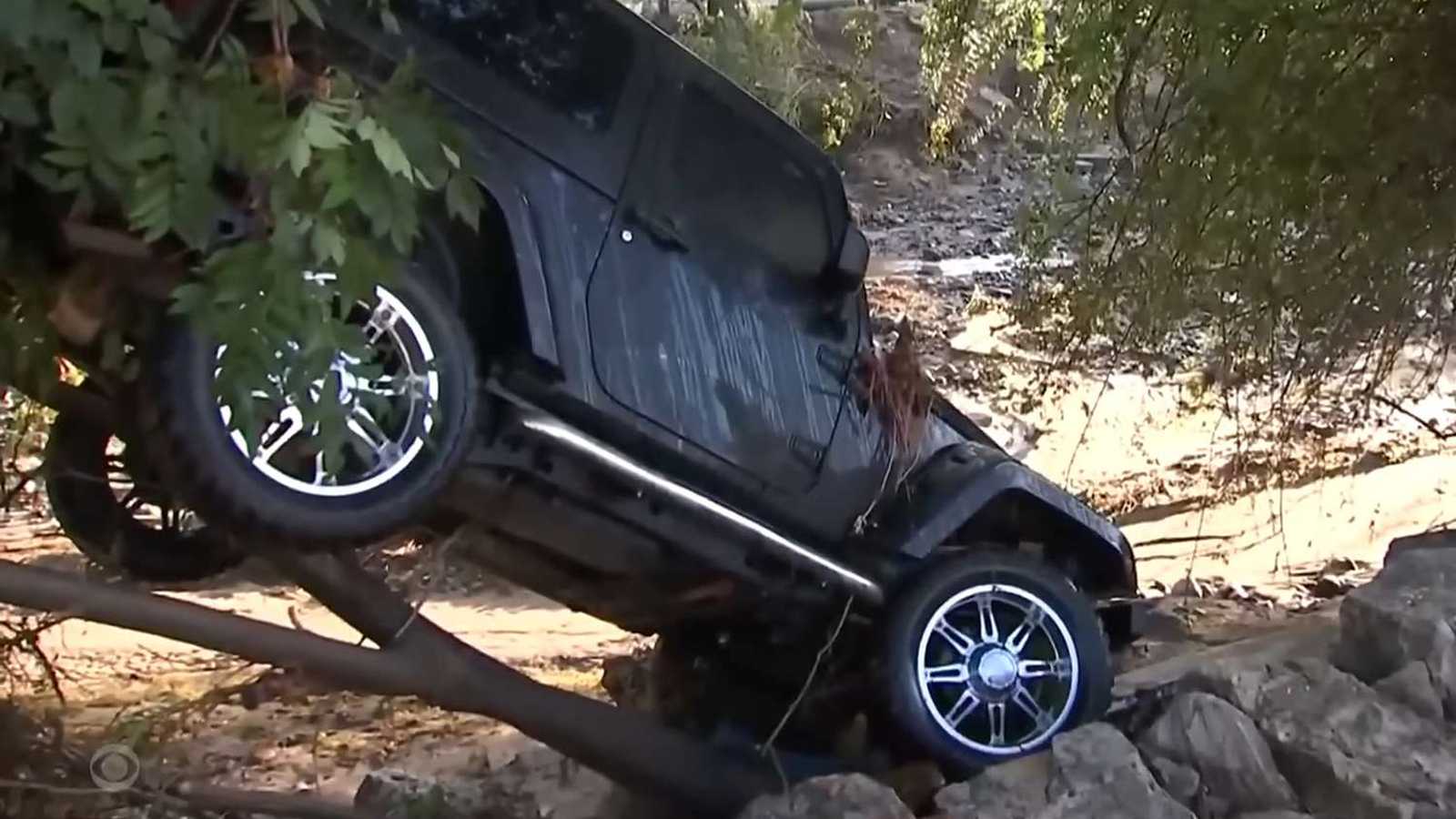
Images and video footage shared by CBS News and ABC News paint a vivid picture: vehicles submerged, roads transformed into rivers, and residents climbing to rooftops in desperate bids for safety. The floods struck with little warning, catching many off guard and forcing some to abandon their homes and seek shelter wherever they could.
Globe’s Mayor Al Gameros took to Facebook to update the community, describing the event as “an unthinkable, devastating” blow. He announced the opening of Red Cross shelters at High Desert and Lee Kornegay, urging residents to be patient as operations continued. “Our primary, again, is search and rescue,” Gameros said, underscoring the urgency and complexity of the response.
Local officials and volunteers have rallied together, with scores stepping up to offer aid. However, authorities caution against uncoordinated efforts: search and rescue teams accompanied by dogs are combing the flood zone, and the presence of additional volunteers could interfere with these critical operations. Melford advised concerned citizens to help neighbors in need rather than entering dangerous floodwaters themselves.
Long-Term Challenges and Hazards
As the National Weather Service’s flash flood warning remains in effect, the region faces ongoing uncertainty. The Arizona Department of Transportation has begun assessing damage to bridges and infrastructure, a process that will likely take weeks. Many buildings in Globe’s downtown have been damaged, and officials are keeping the area closed until safety can be assured.
This is not the first time Globe has faced flooding; in 2021, the community dealt with similar challenges following a wildfire. But as Melford emphasized, “this was an extremely heavy amount of rain in an extremely short period of time.” The scale and speed of this flood have left deep scars, both physical and emotional.
The Red Cross and local agencies continue to provide shelter and assistance to displaced residents, but the road to recovery promises to be long and fraught with difficulty. The hazardous conditions caused by scattered propane tanks and damaged infrastructure underscore the ongoing risks.
As officials urge patience and caution, the resilience of Arizona’s communities is on display. Volunteers, first responders, and neighbors are working side by side, determined to restore safety and hope in the wake of tragedy.
While Arizona’s landscape has always demanded respect for its extremes, this latest flood has tested the limits of community endurance and emergency preparedness. The swift response from authorities and the solidarity of local residents highlight both the dangers of nature’s unpredictability and the power of collective action in times of crisis.