
Quick Read
- Arizona State played the Sun Bowl without 19 key players, including their starting quarterback.
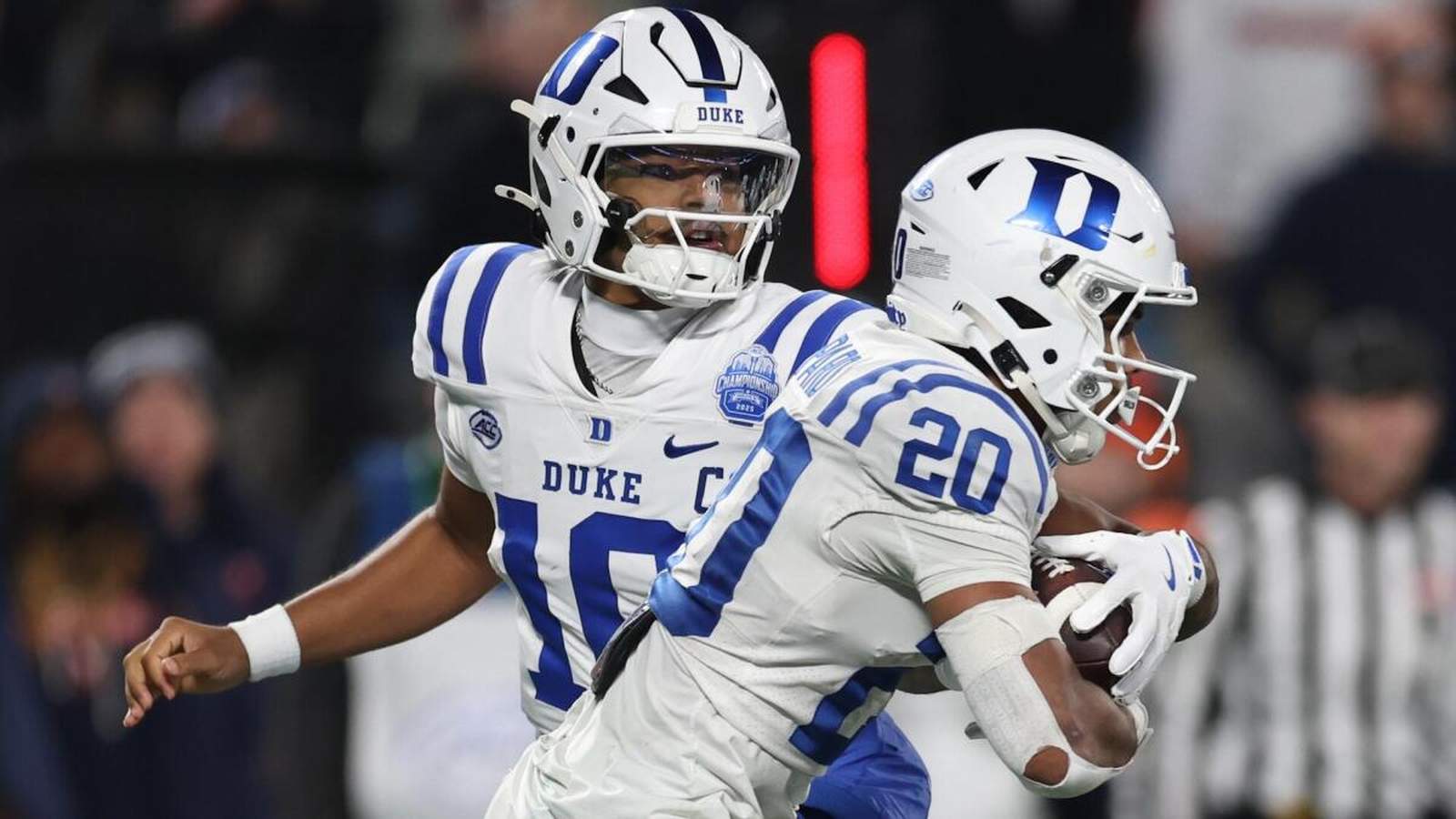
- Duke, the ACC champion, also had notable absences but retained star QB Darian Mensah.
- The first quarter ended tied 7-7 after touchdowns from both teams’ quarterbacks.
- Duke aimed for consecutive nine-win seasons, last achieved in 2013-2014.
- CBS analyst Gary Danielson retired after calling his final game.
The 2025 Tony the Tiger Sun Bowl in El Paso, Texas, was more than just a postseason contest between Arizona State and Duke. It was a collision of two programs navigating the new realities of college football—where opt-outs, transfers, and contract drama shape the very fabric of bowl season.
Both teams entered the game with matching aspirations and eerily similar records: Arizona State at 8-4, Duke at 8-5. But beneath those numbers, the landscape was shifting. Arizona State, led by coach Kenny Dillingham, faced the daunting prospect of playing without 19 key contributors—among them quarterback Sam Leavitt, wide receiver Jordyn Tyson, and running back Raleek Brown. This wasn’t just a shuffle of the depth chart; it was a full-blown test of resilience. Dillingham himself admitted, “You play every game to win the football game and do whatever we need to do to scratch and claw and win.”
Duke, meanwhile, didn’t escape the attrition either. The ACC champions were missing several standouts, including second-team All-ACC offensive lineman Brian Parker and cornerback Chandler Rivers. Yet, they retained a crucial piece: star quarterback Darian Mensah, whose sharp passing—68% completion rate, 30 touchdowns, and only five interceptions—was expected to anchor their offense.
When the game kicked off in front of nearly 46,000 fans at Sun Bowl Stadium, it was Arizona State’s backup QB Jeff Sims who drew first blood. Sims engineered an 83-yard drive, capping it with a 4-yard touchdown run. For a moment, the Sun Devils looked undeterred by their roster woes.
But Duke answered swiftly. Mensah connected with Que-Sean Brown for a 69-yard touchdown, tying the score at 7-7. The first quarter was a back-and-forth affair, each team probing for weaknesses. Arizona State’s passing game leaned heavily on Jalen Moss, who hauled in a 51-yard reception, while Duke kept its offense balanced and opportunistic.
Statistically, the teams were neck-and-neck in the early going. Arizona State completed 5 of 7 passes for 78 yards, and their running game—though hampered—still managed a touchdown. Duke, on the other hand, posted a perfect 2-for-2 passing start, racking up 75 yards and a touchdown, with Mensah’s efficiency on full display.
Both defenses held their own, with Duke’s Aaron Hall and Arizona State’s Roman Pitre leading their squads in tackles. There were no fumbles, no interceptions—a sign of disciplined, if not risk-averse, football. Special teams played a minimal role, with neither side attempting a field goal or making significant returns.
Beyond the box score, the game carried historic weight. It marked Arizona State’s eighth Sun Bowl appearance, with memories lingering from their dramatic 2014 win over Duke—when a 96-yard kickoff return swung the momentum. For Duke, it was a chance to erase that memory and stake their claim as a program on the rise, especially after clinching their first ACC title despite five regular-season losses.
There were personal milestones, too. CBS Sports analyst Gary Danielson called his final game after two decades, adding a touch of nostalgia and closure for longtime fans of college football broadcasts.
Looking at the broader context, Duke’s pursuit of consecutive nine-win seasons echoed ambitions last achieved in 2013 and 2014. The Blue Devils had battled through a tough schedule, facing nine bowl-eligible opponents—proof that their record was forged in adversity. Arizona State, meanwhile, had won three of their last four games entering the Sun Bowl, showcasing late-season grit despite falling to Arizona in their finale.
On the sidelines, NFL legend Hines Ward, now coaching with Arizona State, brought star power and experience, a reminder of the evolving pathways between pro football and college coaching. His journey from Super Bowl MVP to college assistant added another layer to the narrative—a blend of legacy and new beginnings.
As the game unfolded, it became clear that depth and experience would decide the outcome. With so many key Sun Devils missing, Duke’s steadiness—especially at quarterback—proved decisive. Mensah’s presence gave Duke the edge, and as predicted by CBSSports, the Blue Devils were favored to win. Their ability to contain Arizona State’s backup QB and capitalize on offensive opportunities set the tone.
The final verdict? Duke’s relative stability and offensive firepower were too much for a depleted Arizona State squad. The Sun Bowl showcased both programs’ adaptability and resilience, but also underlined the growing impact of opt-outs and transfers on the bowl season landscape.
For fans and analysts, the 2025 Sun Bowl was more than a game—it was a snapshot of college football’s future, where depth, adaptability, and strategic roster management matter as much as talent. And as the curtain closed, both teams left El Paso with lessons learned and eyes set firmly on the challenges ahead.
While Duke’s victory was built on consistency and quarterback play, Arizona State’s struggle highlighted the importance of program stability amid roster upheaval. The Sun Bowl’s drama was a testament to the evolving nature of college football, where winning increasingly means surviving the chaos off the field as much as on it. Sources: CBSSports, El Paso Times, ESPN, AZCentral