
Quick Read
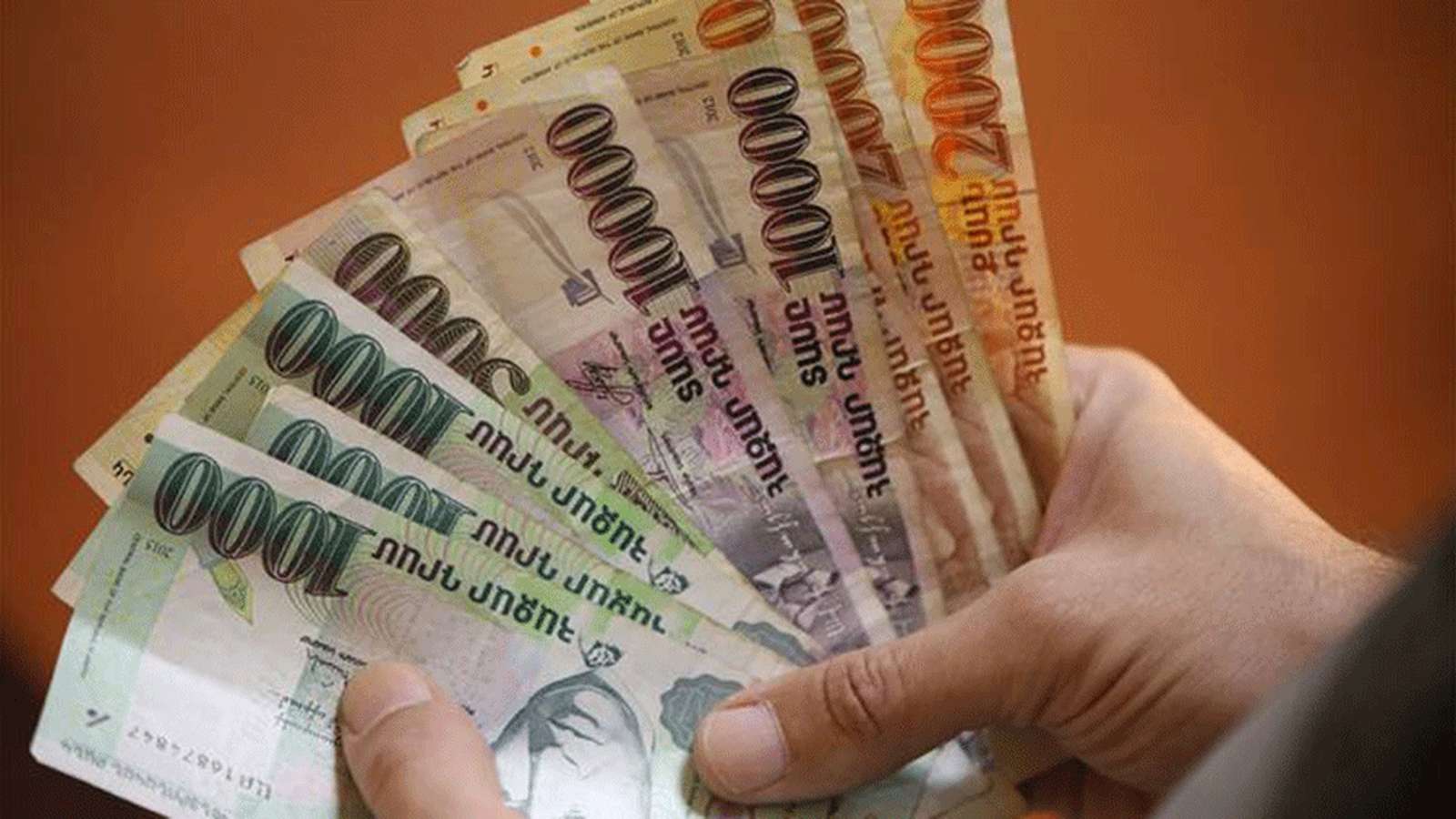
- On April 28, 2025, the Central Bank of Armenia announced that second-generation (2nd) banknotes would be withdrawn from circulation.
- The withdrawal takes effect on April 15, 2026, after which 2nd-generation notes will no longer be legal tender and can be exchanged for newer notes at no cost.
- The move is driven by high physical wear on 2nd-generation notes and is coordinated with the introduction of 3rd-generation notes throughout the cash cycle.
- Currently, the majority of circulating 1,000, 5,000, 10,000 and 20,000 dram notes are 3rd-generation; the 1999-dated 500 dram note has largely been replaced by coins.
- After April 15, 2026, citizens can exchange 2nd-generation notes free of charge at commercial banks and the Central Bank of Armenia.
The Central Bank of Armenia announced on April 28, 2025 that the country’s second-generation (2nd) dram banknotes would be withdrawn from circulation on April 15, 2026. The decision, described by the bank as a response to the notable physical wear of these notes, signals a staged transition in Armenia’s currency ecosystem toward the 3rd generation of banknotes. The bank underscored that 2nd-generation notes will continue to be accepted as legal tender until the stated deadline, at which point they will lose that status. After April 15, 2026, the public will be able to exchange them free of charge at commercial banks and at the Central Bank of Armenia.
The policy reflects an ongoing effort to modernize the country’s currency notes and to ensure the durability and efficiency of Armenia’s cash supply. In 2017, the Central Bank had already stated that 2nd-generation notes would be withdrawn only once 3rd-generation notes were fully integrated into the country’s cash circulation chain. That earlier framework set the stage for the present decision, aligning the timing of the withdrawal with the broader rollout of more robust and secure notes across the entire banking and retail ecosystem.
At present, most of the in-circulation denominations—1,000 dram, 5,000 dram, 10,000 dram, and 20,000 dram banknotes—are predominantly 3rd-generation notes. The 1999-dated 500 dram note, which features the portrait of Alexander Tamanyan, has largely been replaced by coins. This residual 2nd-generation note remains a target for retirement under the current plan, though it will retain legal tender status until the 2026 deadline. The central bank’s approach suggests a carefully staged exit, designed to minimize disruption for citizens and businesses while gradually shifting the cash landscape toward higher durability and security standards.
For citizens, the transition offers a straightforward path: retain and use 2nd-generation notes as legal tender until mid-April 2026, then exchange them at no cost for newer notes at banks or directly at the Central Bank. The exchange is described as free of charge, and there appears to be no stated limit on the amount of notes that can be exchanged, though details will be published by the Central Bank and participating banks as the deadline approaches. The policy is likely to influence everyday transactions and may prompt a temporary increase in bank visits as the public converts older notes to new ones. In the meantime, banks are preparing to accommodate exchanges, and the Central Bank has reiterated its commitment to ensuring that the public has access to a seamless and cost-free exchange process.
From a policy perspective, the move aims to reduce production and logistics costs associated with aging currency while maintaining public confidence in the monetary system. By concentrating the circulation of 3rd-generation notes—widely implemented across the economy—the Central Bank seeks to achieve greater durability, reduced wear, and improved counterfeit resistance. The transition also reflects a broader trend observed in many central banks: periodic upgrades to banknote design, security features, and materials to align with evolving payment ecosystems and counterfeiting threats. Armenia’s experience mirrors common steps in such modernization efforts, balancing the need for technical improvements with the practical realities faced by citizens who rely on cash for daily transactions.
Public communication around the withdrawal emphasizes clarity on the legal tender status and the free exchange option. While the central bank has provided the general outline, it remains essential for residents to stay informed about any administrative details that may accompany the transition, such as exchange windows, required identification for large exchanges, and operational hours of participating banks and the central bank. Historically, similar liquidity transitions have included generous exchange provisions to avoid unintended financial hardship, particularly for older residents who may accumulate large quantities of 2nd-generation notes or who may rely more heavily on cash in daily life. Armenian financial authorities are well aware of these considerations and have framed the current policy to minimize disruption while promoting a smoother shift to the newer generation of banknotes.
In economic terms, the withdrawal of 2nd-generation notes is not just a technical update but a recalibration of the cash handling system. It reduces the risk of circulating worn notes that can compromise transaction efficiency and counterfeit deterrence. It also encourages familiarity with 3rd-generation notes’ security features, which may include tactile and visual cues that improve accessibility and reliability in everyday exchange. While the public’s immediate focus may be on the inconvenience of exchanging older notes, the longer-term expectation is that the cash channel will become more robust, with notes that are harder to counterfeit and easier to handle in commercial settings. Central Bank officials have indicated that the 3rd generation notes in circulation are designed to support price stability and smoother retail activity, which in turn benefits both consumers and businesses.
Ultimately, the 2nd-generation withdrawal decision underscores Armenia’s ongoing efforts to rationalize and modernize its monetary instruments. It is a reminder that currency is a living instrument that evolves with technology, security needs, and economic conditions. While the transition will require practical steps from the public, the bank’s commitment to a free exchange program at banks and the central bank indicates a deliberate approach to maintaining public trust and minimizing disruption. As the deadline approaches, observers will be watching for additional guidance on exchange procedures, any transitional measures for specific groups (such as the elderly or those without easy access to banks), and the pace at which the 3rd-generation notes become the dominant form of cash in daily life.
Final Analysis: Armenia’s move to retire 2nd-generation notes, with a taxpayer-friendly, zero-fee exchange policy, signals a prudent balance between modernization and social stability, setting the stage for a more durable cash economy while safeguarding citizen access to ordinary transactions.