
Quick Read
- Armenia’s Foreign Minister met with the Council of Europe Commissioner for Human Rights.
- The meeting is described as an important step toward regional peace in the South Caucasus.
- The dialogue centered on human rights, governance, and regional stability.
- The event underscores ongoing engagement between Armenia and the Council of Europe.
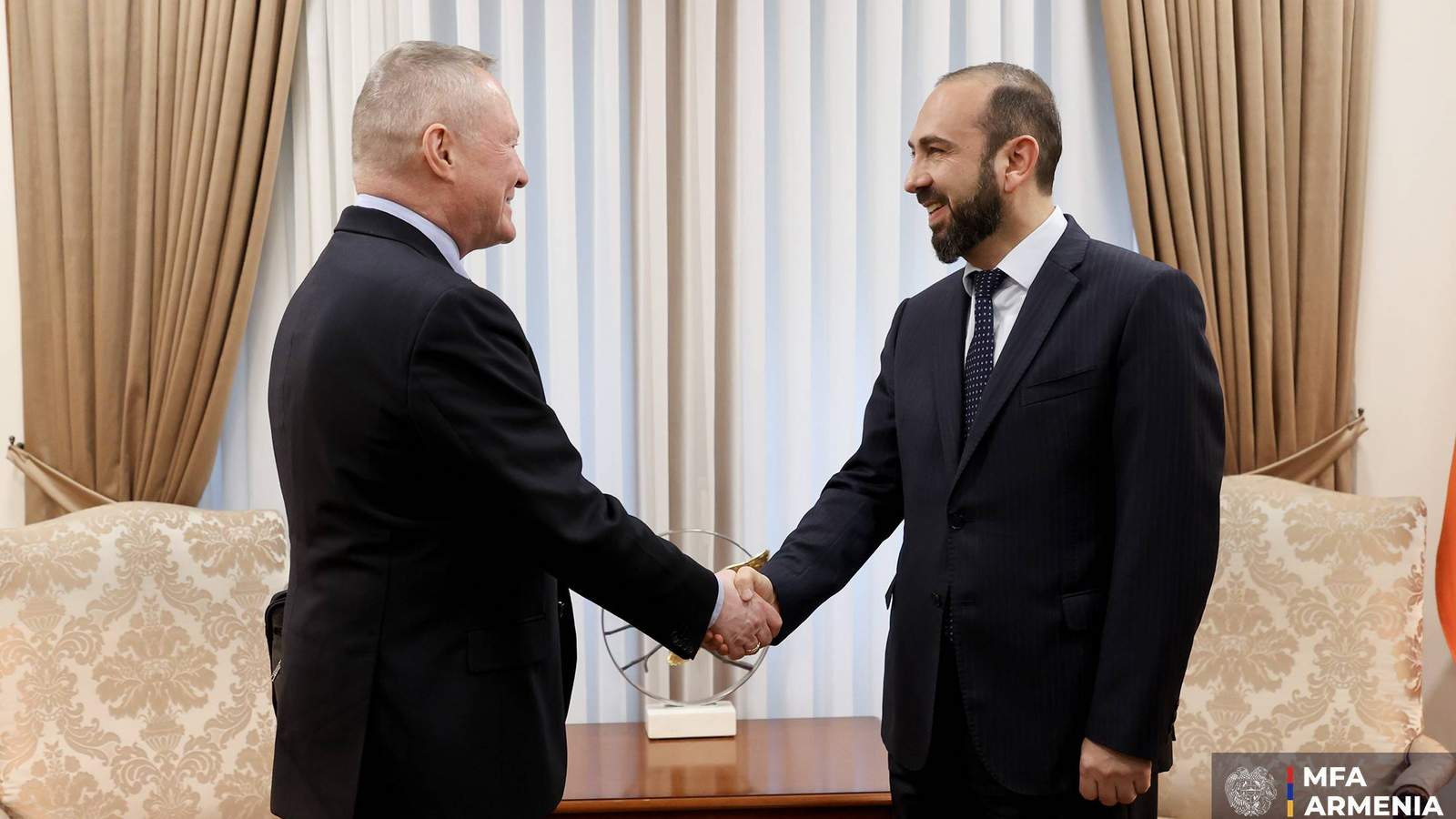
The Armenian foreign minister and the Council of Europe Commissioner for Human Rights held a high-level meeting that officials described as a meaningful step toward regional peace. While the exact topics and outcomes were not publicly disclosed, the encounter signals a renewed push to reinforce human rights standards and governance reforms as dynamics in the South Caucasus continue to shape regional security and stability.
Armenia has long maintained an active relationship with the Council of Europe, founded on shared commitments to democracy, the rule of law, and fundamental freedoms. The visit by the foreign minister to meet with the Council of Europe’s human rights chief highlights ongoing dialogue between Yerevan and European institutions at a moment when rights-based governance is perceived as a pivotal element of regional peace-building. In such exchanges, officials typically explore a range of issues ranging from civil liberties and freedom of expression to judicial independence and minority rights, as well as cooperation mechanisms designed to support reforms and capacity building within member states.
Observers caution that public statements accompanying such meetings often emphasize process and principles rather than immediate political agreements. Nevertheless, the framing of this engagement as a step toward regional peace underscores the belief that adherence to human rights standards and transparent governance can contribute to reconciliation and stability in a region historically affected by conflict and tension. The Armenian side has consistently stressed its intent to align with European standards as part of broader European-oriented reforms, while the Council of Europe side typically offers guidance, monitoring, and technical support to strengthen institutions and protect civil liberties.
The broader significance of the meeting lies in its potential to foster trust and dialogue among regional actors. While no binding commitments were announced in conjunction with the talks, the exchange is viewed by many analysts as a signal that Armenia is pursuing constructive engagement with European human rights mechanisms as part of its foreign policy trajectory. For regional observers, such interactions can help create a framework for confidence-building measures, promote accountability, and encourage cross-border cooperation on shared challenges—from media freedom to rule-of-law reforms—without presuming immediate political breakthroughs.
Looking ahead, officials indicate that dialogue is likely to continue with the Council of Europe, potentially expanding to joint projects or assessments that support Armenia’s reform agenda and its compliance with international human rights norms. In the current climate, where regional security is closely tied to governance and human rights practices, such meetings are frequently framed as foundational steps rather than one-off events. They emphasize a patient, long-term approach to strengthening institutions, protecting rights, and fostering an environment where peaceful, durable stability can take root across borders.
In the long view, sustained engagements of this kind position Armenia within a broader European framework for rights and governance, potentially enabling incremental reforms and confidence-building that contribute to regional peace while preserving Armenia’s sovereignty and democratic evolution.