
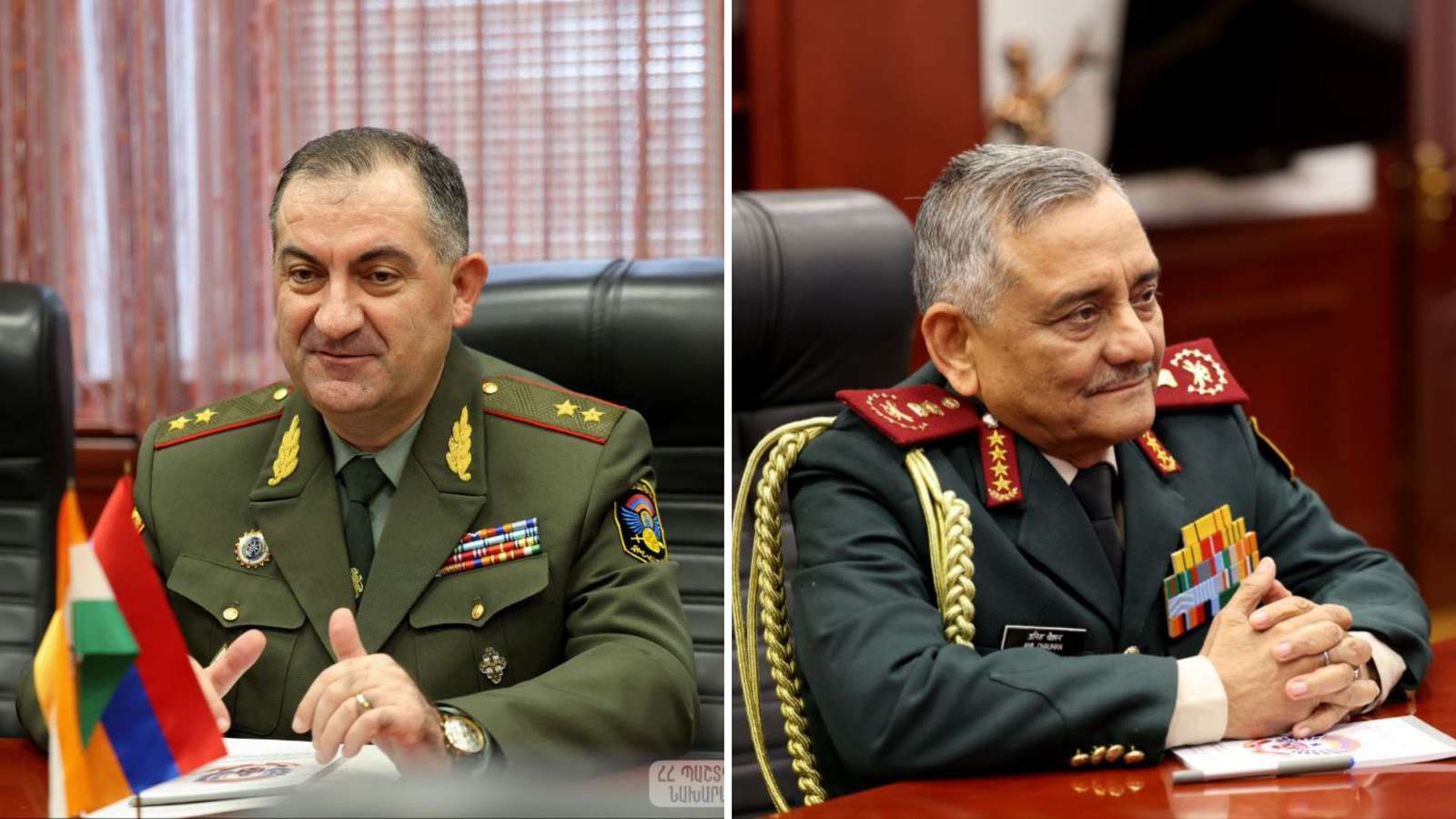
- Armenia and India held discussions on defense cooperation.
- The talks emphasized education and training exchanges as a focus.
- Planning for potential joint exercises was highlighted as part of deeper ties.
- The dialogue signals ongoing efforts to strengthen bilateral security cooperation.
Armenia and India conducted a defense cooperation dialogue described by officials as productive and forward-looking. The discussions centered on strengthening bilateral engagement in two domains: education, including professional development and academic exchanges, and the planning of joint military exercises. Participants stressed that these areas offer practical avenues to deepen interoperability and share best practices between the two countries’ armed forces.
The talks come amid a broader regional security context in which both nations are expanding their defense diplomacy beyond traditional partnerships. Armenia has signaled an openness to diversify security partnerships, while India has increasingly emphasized training, capacity-building, and strategic exchanges as core elements of its outreach. The current round of discussions underscores that approach by elevating education and exercises as concrete channels for cooperation rather than abstract proposals.
Education and training exchanges were highlighted as long-term investments in human capital for both militaries. Delegations discussed mechanisms to facilitate student and officer exchanges, the potential alignment of curricula for military academies, and the temporary deployment of instructors and mentors to partner institutions. If implemented, these initiatives would aim to raise professional standards, foster mutual understanding of doctrine, and cultivate long-lasting professional networks that endure beyond a single agreement.
On the joint exercises front, officials indicated that bilateral drills could serve as a practical mechanism to test interoperability and crisis-management capabilities. While no specific exercise plan was disclosed, the discussions pointed toward coordinated planning through bilateral channels and subject-matter experts from both sides evaluating suitable environments and scales for potential drills. The talks are expected to lead to formal programs once additional consultations and approvals are obtained.
Analysts note that sustained dialogue on defense education and exercises can contribute to regional stability by building trust and reducing misperceptions. For Armenia, such partnerships align with efforts to strengthen resilience through multidisciplinary training and knowledge sharing. For India, defense diplomacy remains a tool for broader strategic engagement and collaboration with partners who prioritize professional military education and practical interoperability.
Looking ahead, observers expect a structured follow-up process, including the formation of working groups, the drafting of memoranda of understanding, and timelines for implementing education and training initiatives. The pace at which concrete programs materialize will hinge on political will, logistical considerations, and the willingness of both sides to commit resources to a long-term program that blends schooling, doctrine development, and drills.