
Quick Read
- Armenia and KfW Bank reaffirm ongoing cooperation.
- Discussion focused on the Caucasus Transmission Network project.
- Participants reviewed progress and upcoming challenges.
- The talks illustrate sustained international financial support for Armenia’s energy infrastructure.
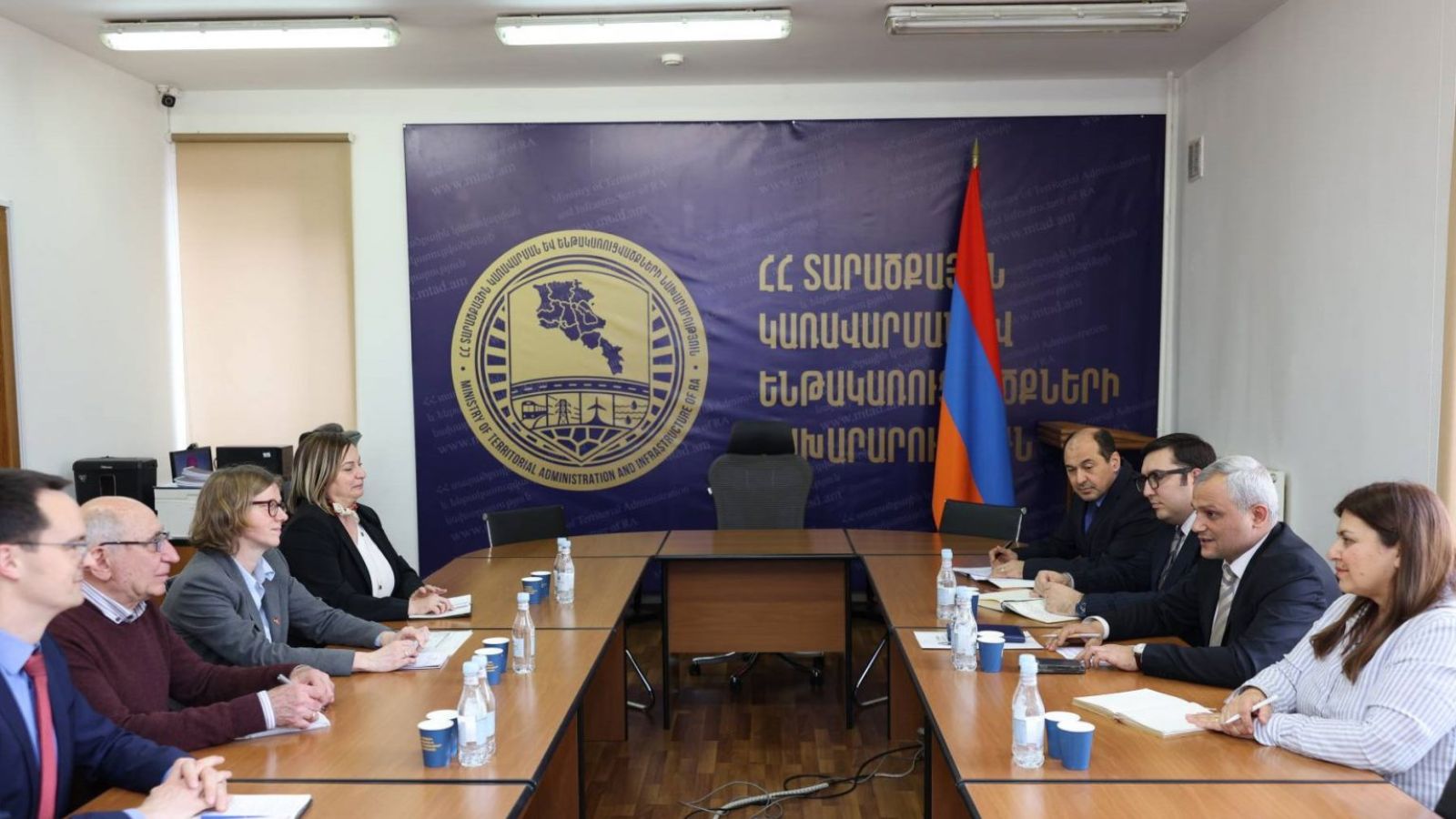
Armenia and the KfW Bank continue their cooperation, following a recent meeting that focused on the Caucasus Transmission Network project. The discussions underscored a sustained partnership between the two sides and provided a platform to assess the program’s current status and the challenges anticipated as work progresses. Participants described the exchange as constructive and focused on aligning the project’s technical planning, financing mechanisms, and regulatory considerations, which are typical features of major energy infrastructure initiatives. While officials from Armenia pressed for measurable milestones, they offered no specific timetable, reflecting the often gradual nature of large-scale development programs. KfW representatives reaffirmed their commitment to supporting Armenia’s infrastructure development through ongoing engagement on this program, signaling a continuing readiness to coordinate with national authorities and project managers. The dialogue illustrates how international financial partners sustain institutional relationships even as project details evolve.
At its core, the Caucasus Transmission Network project stands as a regional framework for electricity transmission enhancement. The discussions at the meeting touched on the project’s integration with existing networks, interoperability standards, and the steps required to advance planning and implementation. Observers note that such programs typically require alignment among multiple stakeholders, including government agencies, regulators, investors, and engineering teams. The Armenia-KfW engagement exemplifies a collaborative approach that combines policy alignment, financial planning, and technical coordination to move a long-term initiative forward. The participants did not disclose specific technical details during the session, but the emphasis on progress and upcoming challenges signals ongoing momentum and a shared expectation that work will proceed in a structured manner.
Beyond the technical and financial dimensions, the talks reflect broader regional energy-development dynamics. The Caucasus Transmission Network project sits at the intersection of national capacity-building aims and regional cooperation in energy security. The continued involvement of an international development finance institution in Armenia’s infrastructure plans underscores the country’s ongoing appeal as a destination for project financing and its commitment to modernizing essential services. For policymakers, the meetings offer a mechanism to articulate priorities, monitor risk, and adjust strategy as conditions change. For KfW, the engagement aligns with a long-standing portfolio that seeks to support resilience, efficiency, and modernization in partner countries through targeted investments and careful oversight.
Looking ahead, executives indicated that future steps would focus on advancing financing arrangements, procurement processes, and regulatory approvals, while recognizing that timelines may shift in response to external and internal factors. No timetable was published for upcoming milestones, but the exchange laid groundwork for continued dialogue. The parties emphasized transparency and accountability as cornerstones of the partnership, with regular reviews expected to help track progress and address bottlenecks.
The talks occurred as part of a broader pattern of persistent collaboration between Armenia and international financial institutions on energy infrastructure, reflecting a shared commitment to long-term development goals and regional stability through improved transmission networks.
FINAL ANALYSIS: The ongoing collaboration between Armenia and KfW on the Caucasus Transmission Network underscores a sustained approach to regional energy modernization, where finance, policy, and technical execution intersect to advance reliability and security while navigating geopolitical and logistical realities that shape schedules and outcomes.