
Quick Read
- Australia’s fuel reserves are currently limited to 39 days of petrol and 29 days of diesel following global supply disruptions.
- The federal government has urged citizens to purchase fuel only as needed to mitigate the risk of supply shortages during the Easter period.
- The domestic tourism industry is facing a significant downturn as travelers cancel road trips and flights due to surging costs and regional fuel availability concerns.
SYDNEY (Azat TV) – The upcoming Easter holiday weekend, typically a peak period for domestic tourism in Australia, is facing unprecedented disruption as travelers cancel or alter plans in response to a deepening national fuel crisis. The supply instability, fueled by the ongoing conflict in the Middle East and the subsequent blockade of the Strait of Hormuz, has left many Australians hesitant to commit to long-distance travel due to both soaring costs and fears of localized fuel shortages.
Fuel supply anxiety hits peak holiday travel
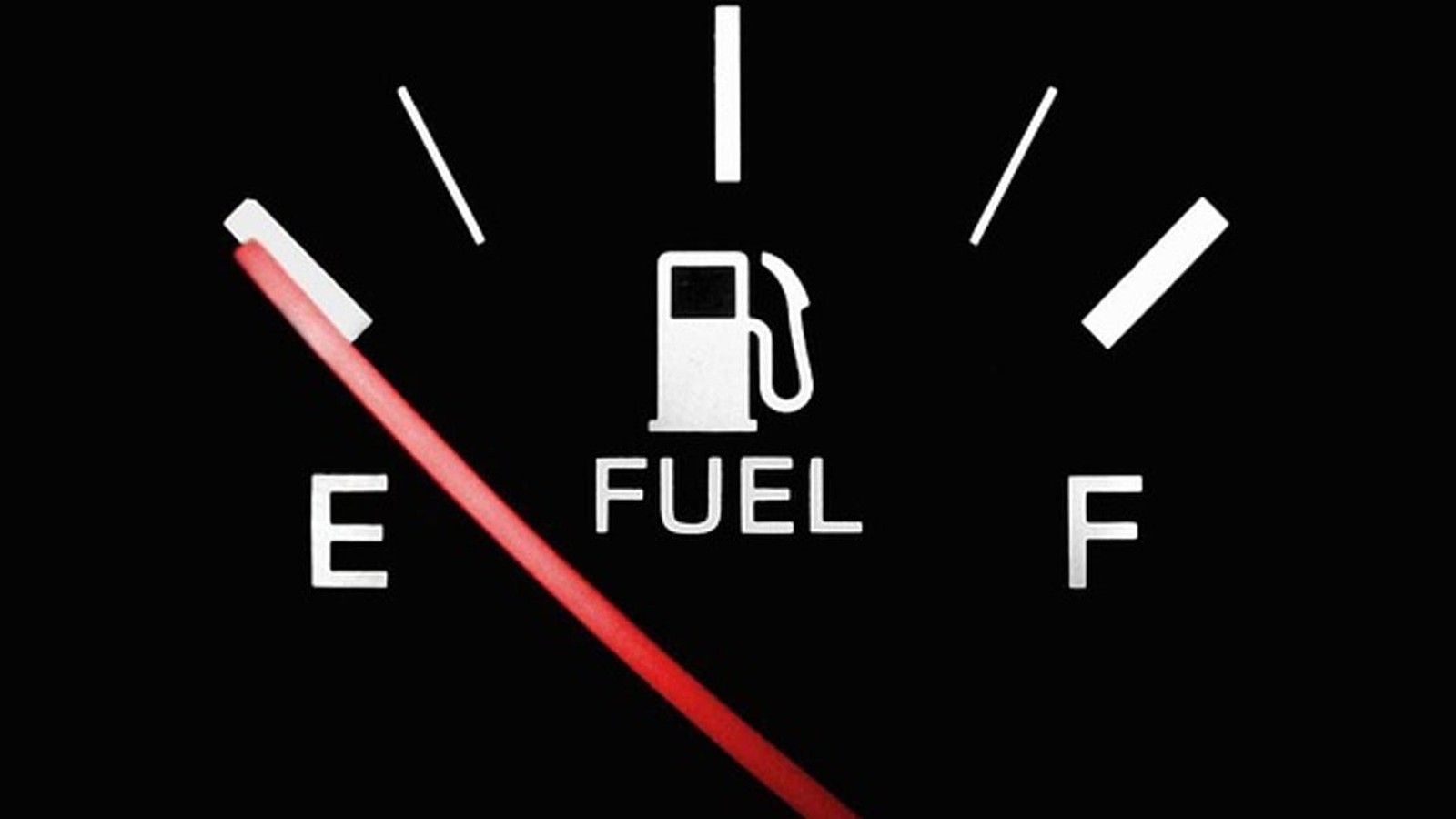
Government data currently places national fuel reserves at 39 days for petrol and 29 days for diesel. In response to these figures, Energy Minister Chris Bowen has issued a direct appeal to the public, urging citizens to purchase fuel only as needed to prevent unnecessary strain on the supply chain. Despite these assurances, the psychological impact of the crisis has already altered the landscape for millions of travelers. For many, the choice is no longer just about the economic burden of high prices, but the logistical risk of finding fuel in regional and remote areas.
Impact on regional tourism and long-term travelers
The uncertainty is hitting the caravanning and regional tourism sectors particularly hard. Long-term travelers, who often rely on consistent access to fuel for extended road trips, report that the current environment feels reminiscent of pandemic-era lockdowns. Many are opting to remain in place at caravan parks rather than risk becoming stranded in rural regions where service stations have already reported intermittent outages. Industry experts, including representatives from the RACQ, have begun advising motorists to adopt conservative driving habits—such as maintaining consistent speeds and ensuring proper tire inflation—to stretch their fuel range, though many remain wary of venturing far from urban centers.
Aviation industry navigates airspace and cost challenges
Beyond road travel, the aviation sector is grappling with the dual pressure of increased operational costs and complex airspace restrictions. As international and domestic air corridors are rerouted to navigate regions impacted by military tensions, airlines are passing higher fuel surcharges onto consumers. This has led to a significant cooling of demand for domestic flights, as travelers weigh the financial cost against the potential for last-minute flight cancellations or delays. While the government continues to monitor the situation, the combination of rising fuel prices and supply anxiety has effectively dampened what was expected to be a robust holiday season for the Australian tourism industry.
The confluence of global energy instability and domestic supply vulnerability has created a persistent ‘wait-and-see’ environment for Australian travelers, suggesting that holiday mobility will remain suppressed until confidence in fuel availability is restored.