
Quick Read
- Energy Minister Chris Bowen confirmed the cancellation or deferral of six fuel tankers destined for Australia through mid-May.
- Rising costs and supply fears have triggered a surge in fuel theft across Australia, forcing police to launch investigations.
- The government is exploring the use of LNG export leverage to secure fuel priority as supplies are expected to tighten by late April.
Australia is entering a period of significant energy uncertainty as the closure of the Strait of Hormuz ripples through global supply chains, threatening the nation’s reliance on imported fuel. While domestic reserves have so far buffered the country from immediate pump dry-outs, Energy Minister Chris Bowen confirmed that six fuel tankers destined for Australian ports between mid-April and mid-May have already been cancelled or deferred, signaling a tightening of supply.
Supply Chain Fragility and Regional Competition
With Australia importing over 80 percent of its petrol, diesel, and jet fuel—primarily from Asian refineries—the country is highly vulnerable to the current blockade. Refiners in South Korea, Singapore, and Malaysia, which typically supply the Australian market, are now facing their own crude oil shortages. ABC reports that South Korea has moved to cap refined product exports at 2025 levels, prioritizing its domestic market over international obligations. Analysts warn that even if Australia is willing to pay a premium, the physical availability of refined products is diminishing, creating a scenario where price may no longer be the sole determinant of access.
Government Response and Economic Stakes
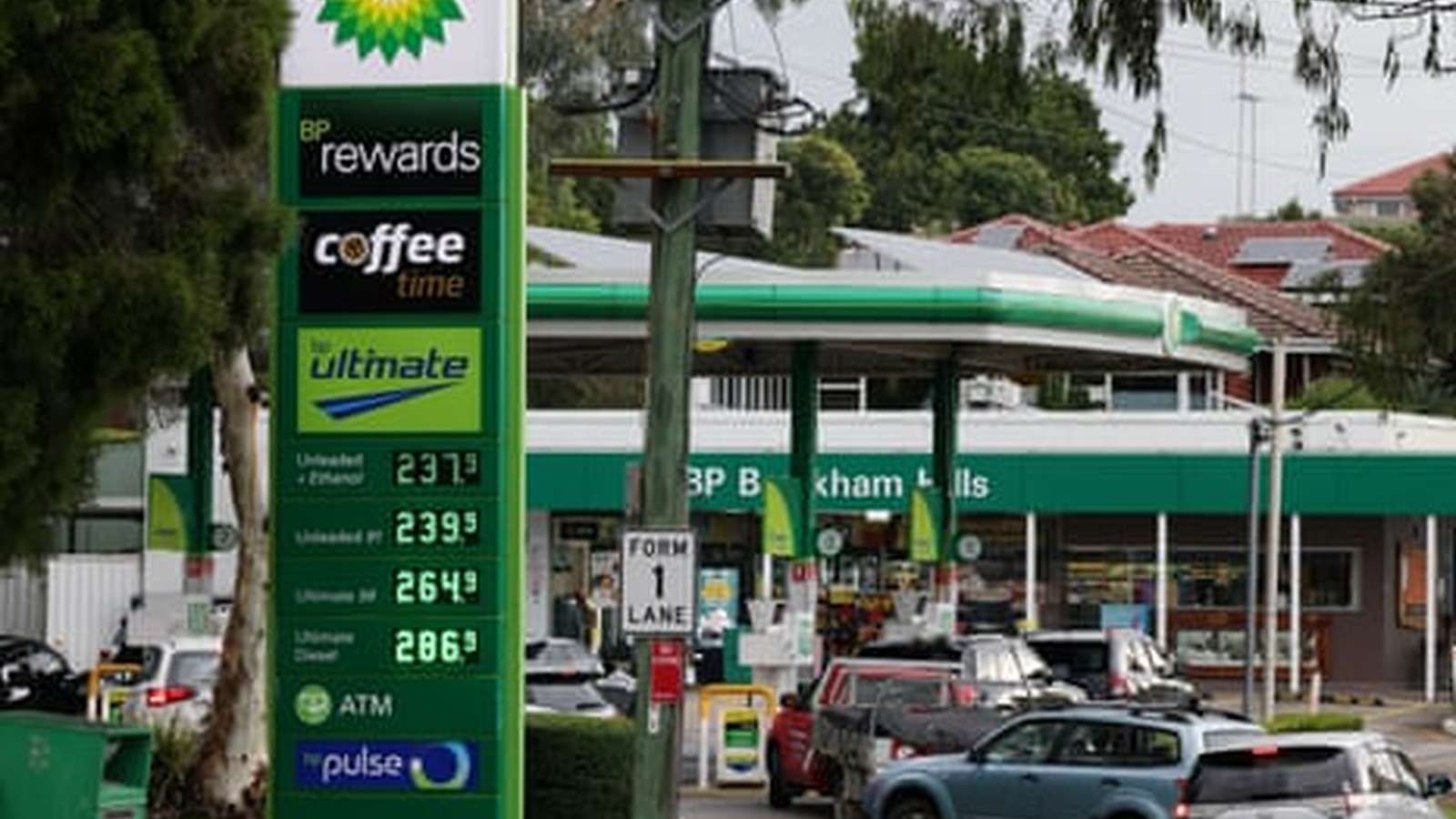
As pump prices approach $3 per litre, the federal government is under intense pressure to manage both the economic impact on households and the risk of physical shortages. Discussions are reportedly underway within the cabinet regarding the potential use of Australia’s massive liquid natural gas (LNG) exports as diplomatic leverage to secure fuel priority from trading partners. Meanwhile, the political debate has intensified over whether to implement a windfall tax on energy producers to offset the rising cost of living, a move championed by critics who argue that energy companies are benefiting disproportionately from the global volatility.
Public Conservation and Security Concerns
The strain on the supply chain is already manifesting in localized disruptions. Police are investigating a surge in fuel theft across Victoria and Queensland, where opportunistic siphoning from parked vehicles and trucks has become a growing concern for the transport industry. Authorities and energy experts have issued urgent calls for the public to adopt conservation measures, including increased use of public transport and remote working, to stretch existing stocks. With supplies potentially facing depletion by late April, the federal government remains in active negotiations with international partners to stabilize the flow of critical energy imports.
The reliance on imported fuel, combined with the loss of local refining capacity, has exposed a structural vulnerability in Australia’s energy security that diplomatic efforts alone may struggle to resolve in the short term.