
Quick Read
- The Australian government has halved fuel excise taxes through June to provide relief against rising living costs.
- Global oil prices remain elevated due to the ongoing conflict in Iran, which has disrupted transit through the Strait of Hormuz.
- Canberra is weighing emergency powers to secure domestic natural gas supplies to prevent shortages in the third quarter of 2026.
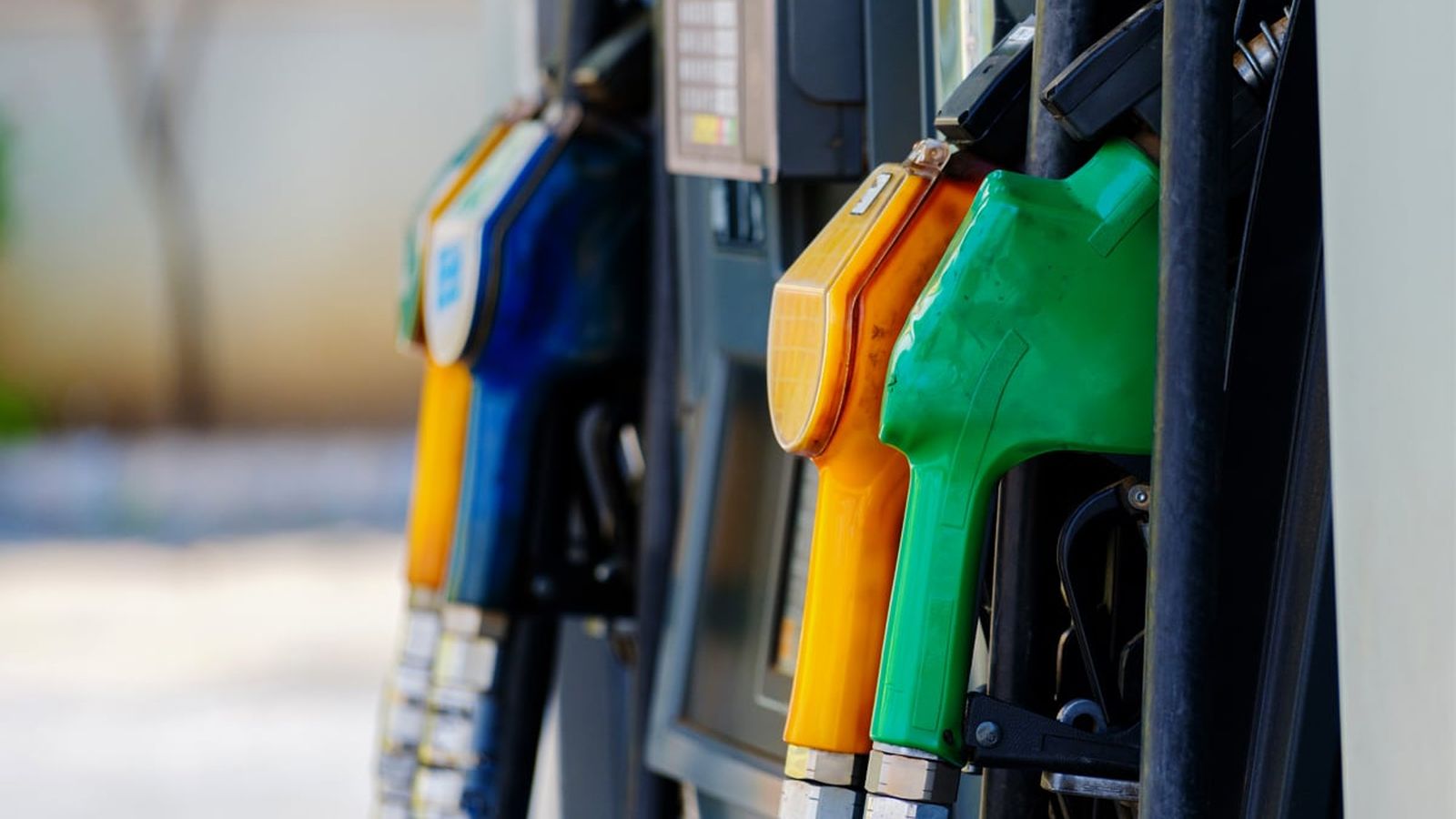
CANBERRA (Azat TV) – The Australian government officially implemented a 50% reduction in fuel excise taxes on April 2, 2026, a targeted intervention aimed at providing immediate relief to motorists grappling with the surging cost of living. This fiscal measure, which will remain in effect through June, is designed to alleviate the financial burden on households and small businesses as global energy prices face significant upward pressure from international instability.
Impact on Australian Motorists and Local Commerce
For the average Australian driver, the excise cut translates to savings of nearly 13 dollars on a standard 17-gallon tank of fuel. The move serves as a critical buffer for small-scale enterprises, including local hospitality and transport-reliant businesses that have been hit hard by the rapid inflation of operational overheads. While the relief is welcomed by consumer groups, the sustainability of such aggressive fiscal policy remains a subject of intense debate among economic analysts, particularly as the federal government balances domestic affordability with broader national energy security requirements.
Global Market Volatility and the Middle East Crisis
The decision to slash taxes arrives as global oil markets experience extreme volatility linked to the conflict in Iran. According to ABC, the closure and restriction of the Strait of Hormuz—a vital maritime choke point—has effectively constrained approximately 20 percent of global oil and gas supplies. This supply chain disruption has driven refining premiums to record levels, with aviation fuel and diesel costs decoupling from standard crude benchmarks. Analysts at the Commonwealth Bank have warned that even with potential diplomatic shifts, markets remain highly susceptible to further shocks as long as transit through the Persian Gulf remains compromised.
Domestic Energy Security and Future Outlook
Beyond the immediate excise relief, the Australian government is now considering the deployment of emergency powers to safeguard the domestic natural gas supply for the third quarter of 2026. As reported by OilPrice.com, these measures are intended to prevent potential shortfalls on the east coast, ensuring that local industrial and residential energy needs are met despite the global crunch. The government’s approach underscores a dual-track strategy: using tax policy to manage retail price impacts while preparing legislative tools to secure long-term energy availability in an increasingly unpredictable global environment.
The effectiveness of the fuel excise cut depends largely on whether the savings are passed directly to consumers rather than being absorbed by market intermediaries, a recurring challenge in energy policy that necessitates rigorous oversight to prevent the relief from being neutralized by corporate margin expansion of profit margins during supply crises.