
Quick Read
- Delhi expanded Ayushman Bharat to 5.5 lakh widow and disability pensioner families on February 26, 2026.
- Beneficiaries in Delhi will receive ₹5 lakh annual cashless hospitalisation under the scheme.
- Himachal Pradesh High Court ordered clearance of pending Ayushman Bharat and Himcare dues to empanelled hospitals.
- Ayushman Vay Vandana Yojana provides free healthcare to senior citizens in Uttarakhand’s Chamoli district.
- Over 29,000 patients in Delhi have already utilized PM-JAY services.
NEW DELHI (Azat TV) – India’s flagship public health insurance scheme, Ayushman Bharat, has seen significant recent developments, with the Delhi government expanding its coverage to include 5.5 lakh additional families, primarily widow and disability pensioners. This pivotal move, announced on February 26, 2026, aims to provide cashless hospitalisation up to ₹5 lakh annually to some of the capital’s most vulnerable residents, thereby deepening the social health protection net. Concurrently, judicial intervention in Himachal Pradesh has mandated the clearance of pending scheme dues to empanelled hospitals, while the Ayushman Vay Vandana Yojana continues to serve as a vital lifeline for senior citizens in remote areas of Uttarakhand.
Delhi Expands Ayushman Bharat Coverage
The Delhi cabinet, chaired by Chief Minister Rekha Gupta, recently approved the expansion of the Pradhan Mantri Jan Arogya Yojana (PM-JAY), a component of Ayushman Bharat. This decision brings an estimated 5.5 lakh additional families under the scheme’s umbrella, specifically targeting widow pensioners and beneficiaries of disability pensions. According to government figures, approximately 3.97 lakh widows and 1.31 lakh persons with disabilities (Divyang) who receive state pensions in Delhi, along with their families, are now eligible for the scheme.
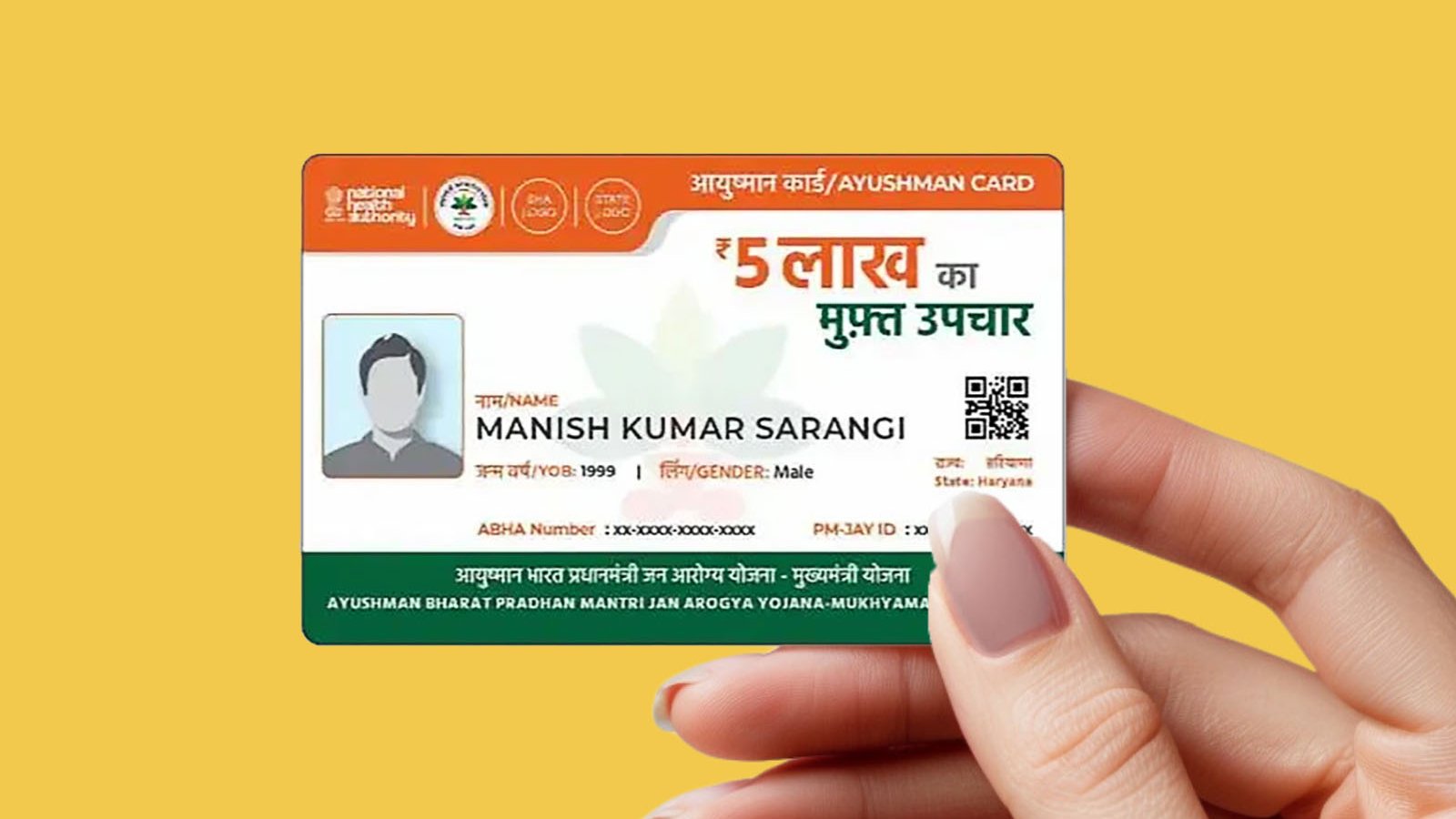
This expansion complements existing coverage for other vulnerable groups in Delhi, including Antyodaya Anna Yojana and Priority Household ration card holders, senior citizens above 70 years, ASHA workers, and Anganwadi workers and helpers. Chief Minister Gupta emphasized that the objective is to ensure no eligible citizen is denied quality and affordable healthcare due to financial constraints, describing the decision as ‘a meaningful change in the lives of lakhs of vulnerable families in Delhi.’ Beneficiaries can generate their Ayushman card instantly through the official app or online portal using Aadhaar-based authentication, a crucial step for accessing the network of 208 empanelled hospitals in Delhi, which includes 156 private and 52-53 government facilities.
Himachal Pradesh Addresses Ayushman Dues
In a related development, the Himachal Pradesh High Court has intervened to address the critical issue of pending dues owed to hospitals operating under the Ayushman Bharat and Himcare schemes. On February 25, 2026, a Single Bench of Justice Jyotsana Rewal Dua heard a petition filed by M/s Maatri Medicity and Orthocare Hospital, which highlighted that prolonged non-payment was severely impacting its operational viability and ability to provide uninterrupted services to economically weaker sections. The hospital argued that such delays jeopardize the sustainability of the welfare schemes themselves.
The court directed the Union of India, the State of Himachal Pradesh, and concerned implementing authorities to promptly examine and process the pending bills in accordance with scheme guidelines. It underscored that payments cannot be arbitrarily withheld once hospitals are empanelled and treatments are provided as per approved packages, emphasizing that administrative bottlenecks should not hinder welfare scheme implementation. This ruling is expected to provide relief to other empanelled hospitals facing similar reimbursement delays.
Ayushman Vay Vandana Yojana’s Impact
Across the country in Uttarakhand, the Ayushman Vay Vandana Yojana, launched in 2024 under AB-PMJAY, continues to prove a lifeline for senior citizens, particularly in remote areas like Chamoli district. The scheme provides free healthcare services up to ₹5 lakh per year to all senior citizens aged 70 years and above, irrespective of their socio-economic status. More than 500 eligible beneficiaries in Chamoli have received Ayushman Vay Vandana cards, significantly mitigating hardships previously faced by residents in difficult mountainous terrains who struggled to access medical attention.
Till October 2025, over 93 lakh Ayushman Vay Vandana cards had been issued nationwide, facilitating more than 7.89 lakh hospital admissions amounting to ₹1741 crore. Beneficiaries have expressed profound gratitude to the government for this welfare initiative, which has transformed healthcare access for the elderly in underserved regions.
Ensuring India’s Healthcare Access
These recent updates underscore the dynamic nature of India’s universal healthcare efforts. While the expansion in Delhi marks a significant step towards inclusive coverage, the judicial intervention in Himachal Pradesh highlights the critical need for efficient administrative processes to ensure the financial health of empanelled hospitals. The continued success of the Ayushman Vay Vandana Yojana in remote areas demonstrates the scheme’s potential to bridge geographical disparities in healthcare access, collectively reinforcing the government’s commitment to robust social health protection.
The confluence of policy expansion, judicial oversight, and grassroots implementation demonstrates the multifaceted challenges and ongoing efforts in scaling a comprehensive national health insurance program. Ensuring timely payments to healthcare providers remains as crucial as expanding beneficiary eligibility for the scheme’s long-term effectiveness.