
Quick Read
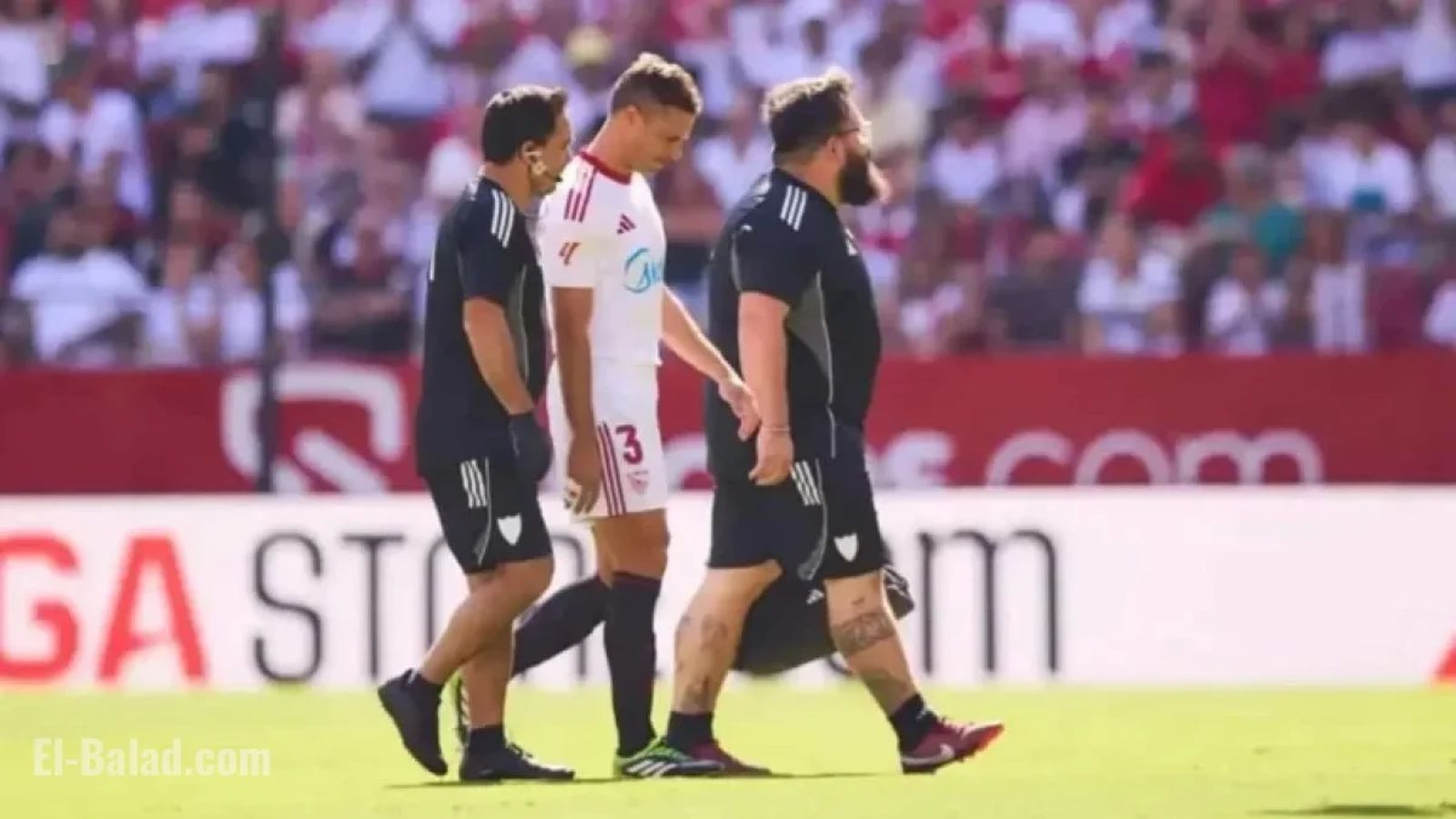
- César Azpilicueta suffered a left adductor injury, sidelining him for 2-3 weeks.
- Sevilla FC must adjust their defensive lineup, with several candidates vying for Azpilicueta’s position.
- Azpilicueta’s career at Chelsea was defined by discipline, adaptability, and influential coaching.
- Coach Matías Almeyda is reconsidering tactical formations and personnel to maintain stability.
- Alexis Sánchez’s nerve issue is less severe; he is expected to return to training soon.
Azpilicueta’s Setback Leaves Sevilla Facing Defensive Dilemmas
César Azpilicueta has long been recognized as one of the most reliable defenders in European football—a player whose name has become synonymous with consistency, discipline, and tactical intelligence. Yet, football’s unpredictability is never far away. On October 19, during a match that started with promise, Azpilicueta suffered an injury to his left adductor and was forced to leave the pitch early, raising immediate concerns for Sevilla FC and their ambitions this season.
The club’s official medical update indicated that Azpilicueta would likely be sidelined for two to three weeks, missing key fixtures against Real Sociedad, Toledo, and Atlético de Madrid. His absence is more than a simple gap in the lineup; it’s a major test of Sevilla’s defensive cohesion under coach Matías Almeyda, whose tactical approach has relied on Azpilicueta’s experience and versatility since the start of the campaign.
Sevilla’s Tactical Choices: Searching for Stability
For Almeyda, the timing couldn’t be more challenging. The coach has demonstrated flexibility in his formations, often adjusting between three and four-man defenses depending on the opposition. In a recent statement following a win over Barcelona, Almeyda explained, “We played with a three-man defense against teams with two strikers, and because I feel our movements are not yet fluid, I ensured stability that way.” But the loss of Azpilicueta threatens that stability.
Ramón Martínez was called upon to fill Azpilicueta’s position after the injury, but struggled to contain Mallorca’s attacks, highlighting the difficulty of replacing such an integral player. Other options include Marcao, who has become a fixture in the backline, and Kike Salas, once a first-choice defender but recently limited by his own fitness issues. Fábio Cardoso, with just 77 minutes played against Rayo Vallecano, is another candidate, valued for his experience but not yet fully integrated.
Tanguy Nianzou, returning from a long absence, has shown flashes of potential but remains a fitness concern. Andrés Castrín, a youth academy graduate, offers promise and energy, but the pressure of stepping into Azpilicueta’s shoes is considerable. Almeyda’s ability to adapt and make the right selection will be crucial as Sevilla faces a series of demanding matches.
Azpilicueta’s Chelsea Years: Discipline, Adaptation, and Leadership
While his current injury is a setback, Azpilicueta’s broader career tells a story of overcoming adversity through discipline and learning. During his eleven seasons at Chelsea, the Spaniard became renowned for his meticulous routines and relentless self-improvement. “I am really grateful because I have the confidence from many managers over my 11 seasons there,” Azpilicueta reflected, underscoring the trust he earned from the likes of José Mourinho, Antonio Conte, and Thomas Tuchel.
Mourinho’s influence was particularly transformative. The Portuguese manager’s decision to move Azpilicueta from right back to left back during the 2014/15 Premier League campaign was a masterstroke that showcased both tactical ingenuity and Azpilicueta’s adaptability. Mourinho, ever the motivator, famously declared, “If we had 11 Azpilicuetas, we will win Champions League.” Such praise wasn’t given lightly; it was a testament to the defender’s reliability and professionalism.
Antonio Conte’s arrival at Chelsea brought further tactical evolution. Conte’s demand for discipline and his shift to a 3-4-3 formation led to a record-setting season, with Chelsea achieving 13 consecutive wins and 30 victories overall. Azpilicueta thrived as a right center-back, helping anchor the defense and enabling the team’s success.
Thomas Tuchel, who took over mid-season, introduced new methods and brought a sense of momentum that culminated in Chelsea’s Champions League triumph. “It’s not easy to have a change of manager… but we built momentum,” Azpilicueta said, emphasizing the importance of adaptability and collective spirit.
Lessons from the Locker Room: Teamwork and Resilience
Azpilicueta’s journey has been shaped not only by his managers but also by the teammates he played alongside. Legends like John Terry and Ashley Cole set standards for endurance and leadership, while N’Golo Kanté’s relentless midfield dominance offered lessons in resilience and teamwork. Azpilicueta admired Kanté’s ability to cover ground and support the defense, aiming to emulate Terry’s unwavering commitment.
These experiences have equipped Azpilicueta with a unique blend of tactical knowledge and emotional intelligence—qualities that have now become invaluable at Sevilla, especially as the club navigates his absence.
Looking Ahead: Recovery, Team Spirit, and the Path Forward
As Sevilla prepares for their upcoming fixtures, the focus will inevitably shift to how the team copes without Azpilicueta. Coach Almeyda’s strategic adjustments, whether in formation or personnel, will be scrutinized. The club may choose to exercise caution regarding Azpilicueta’s return, potentially waiting until after the international break to ensure full recovery.
Meanwhile, the team is also monitoring Alexis Sánchez, whose nerve discomfort prior to the Mallorca match appears less severe. Sánchez is scheduled to resume training soon, offering a glimmer of hope for Sevilla’s attacking options.
For Azpilicueta, the immediate future involves rehabilitation and a return to the routines that have defined his career. His story serves as a reminder that football is as much about adaptation and resilience as it is about skill.
Azpilicueta’s current injury may be a setback for Sevilla, but it highlights the enduring value of versatility and discipline in elite football. His journey—from Chelsea’s tactical transformations to his new challenges in Spain—underscores how the ability to adapt, learn, and lead remains vital for both individual players and their teams. As Sevilla recalibrates, Azpilicueta’s legacy continues to influence the standards by which defenders are measured.