
Quick Read
- Babson College freshman Any Lucia López Belloza was detained and deported to Honduras during Thanksgiving travel.
- Her deportation occurred despite a federal judge’s emergency order to halt removal for at least 72 hours.
- López’s lawyer claims no legal notice was given and questions the validity of the decade-old removal order.
- Her case has sparked widespread concern among international students and colleges about unpredictable immigration enforcement.
- Babson College issued a statement supporting López and her family.
Babson College Student’s Ordeal: From Holiday Surprise to Deportation
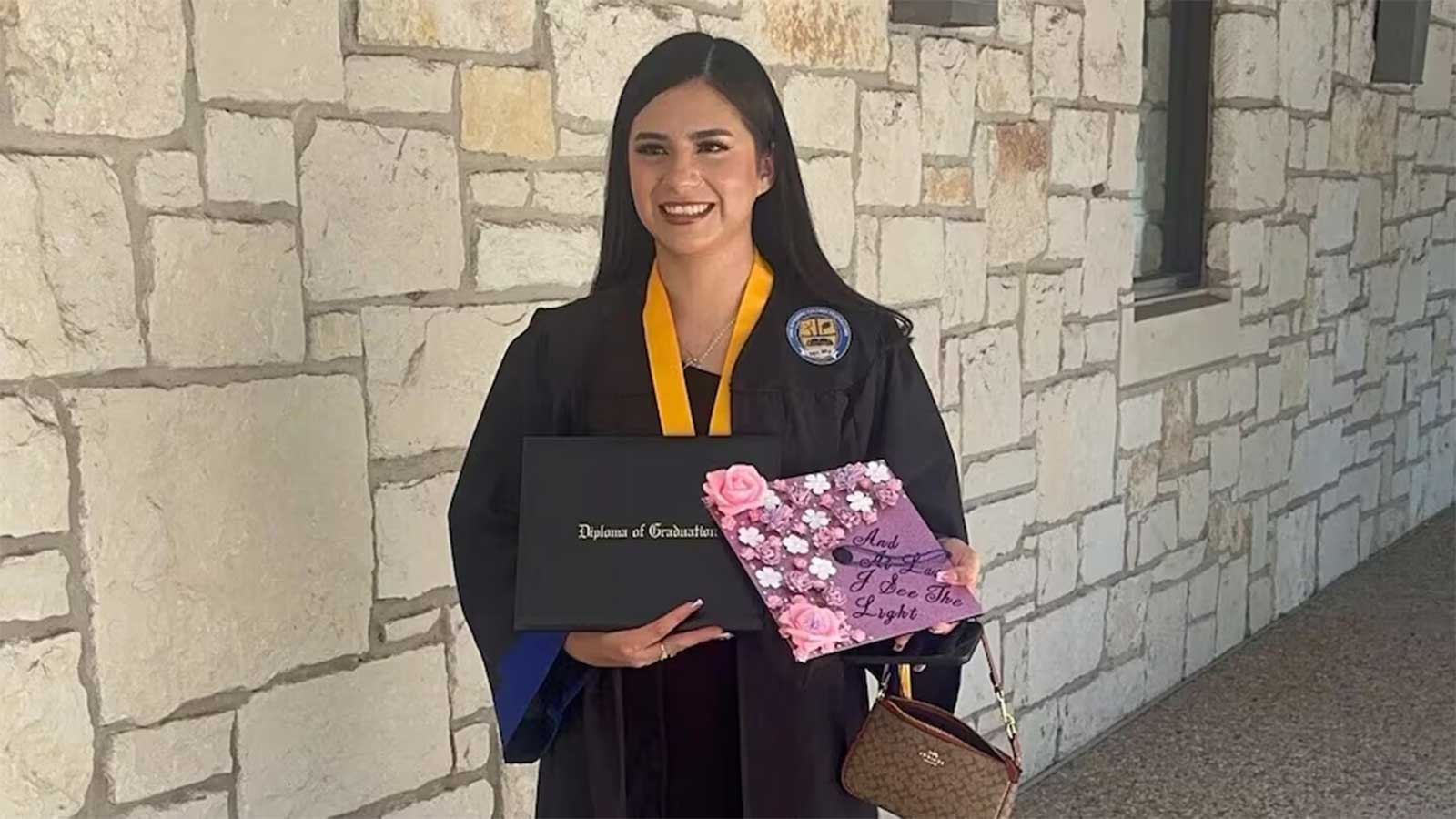
Any Lucia López Belloza, a 19-year-old freshman at Babson College near Boston, planned to surprise her family in Austin, Texas for Thanksgiving. She hadn’t seen her parents and two younger sisters since starting her first semester. But what began as a hopeful journey turned into a nightmare when López was detained at the boarding gate at Boston airport, handcuffed, and arrested by what she believed were two Immigration and Customs Enforcement (ICE) agents. Her only crime: being an undocumented immigrant—a civil infraction, not a criminal offense.
Within 48 hours, despite an emergency court order intended to halt her deportation for at least 72 hours, López was shackled and sent back to Honduras—a country she left at the age of seven and barely remembers. Her swift removal drew immediate and widespread attention, rapidly becoming a focal point in the debate over U.S. immigration policy and enforcement under President Donald Trump.
Legal Questions and Alleged Abuses
López’s lawyer, Todd Pomerleau of Boston, called the case “an unconstitutional horror show.” He argued that she was never shown the removal order allegedly issued in 2015, nor given the opportunity to speak to a lawyer or attend a court hearing before being deported. The Department of Homeland Security maintained that López “entered the country in 2014 and an immigration judge ordered her removed in 2015,” but Pomerleau disputed the legality, noting that federal law only allows for arrests within a 90-day window following such orders—not a decade later.
“Her mum brought her here because of how horrific the circumstances were in Honduras, where gang members were killing and extorting people,” Pomerleau explained. The family’s hometown of San Pedro Sula had been labeled the murder capital of the world, with gang violence forcing countless families to flee. For López, returning to Honduras meant facing the dangers that her family had risked everything to escape.
Elizabeth G Kennedy, a social scientist and Soros justice fellow who researches deportees in Central America, described Honduras as a nation with a “large out-migration problem.” About a fifth of its population has left in the last decade, most heading to the U.S. Gang violence, especially against women and teenage girls, remains rampant. “Now you have a young woman back in a country where it’s very dangerous to be a young woman, who was given no due process rights in the US,” Kennedy said.
Ripple Effects Across Campuses: Fear and Uncertainty
López’s case is not isolated. According to KXAN Austin, international students across the U.S. are now reconsidering their travel plans amid heightened fears of unpredictable enforcement and deportation. Shaun Carver, president of the International House Association, called López “essentially a Dreamer,” stopped on a domestic flight and sent back to her home country. “It’s even more alarming when someone who’s not typically classified as an international student faces this,” Carver noted.
Advocates and campus leaders described a climate of stress and anxiety. Fanta Aw, CEO of NAFSA: Association of International Educators, cautioned students to be vigilant about visa renewals, outstanding legal issues, and even their social media activity, as any blemish could trigger enforcement. Miriam Feldblum, president of the Presidents’ Alliance on Higher Education and Immigration, said schools are trying to balance the need for accurate information with a desire not to stoke panic.
Universities like Babson College have responded by offering support and exploring flexible options for international students, including allowing them to stay on campus during breaks. The college issued a statement emphasizing its commitment to supporting López and her family. But for many students, the message is clear: uncertainty reigns, and travel—even for something as simple as a holiday visit—can carry enormous risk.
The Human Cost of Immigration Enforcement
For López, the ordeal has been deeply personal. “I want to be able to move forward and maybe continue my studies, whether here [in Honduras] or by finishing my semester at the university. And one day, to be able to see my parents and my family again,” she told The Guardian. Her story reflects the hopes and dreams of thousands of young immigrants—many brought to the U.S. as children—who find themselves caught in the crosshairs of shifting policies and political rhetoric.
Pomerleau, López’s lawyer, is pressing for a remedy. “We’re not stopping until we get her back,” he said, hinting at possible legal battles ahead. Meanwhile, López tries to remain optimistic, occupying her time with studies and the hope of reunion.
As campuses across the country brace for holiday travel and the potential for more cases like López’s, the broader debate continues: how should America balance its security concerns with its longstanding values of opportunity and fairness?
Babson College’s response to López’s deportation underscores the profound impact immigration policy has on real people—students striving for a better future. The facts laid bare in this story reveal a system fraught with unpredictability and, at times, a lack of due process. For institutions and families alike, the challenge now is to navigate an environment where the pursuit of education and safety can be suddenly upended by policy and circumstance.