
Quick Read
- Brian Littrell and his wife filed a lawsuit against neighbor Carolyn Barrington Hill over alleged trespassing and harassment at their Florida beachfront home.
- Hill is accused of repeatedly entering the Littrells’ property, setting up furniture, and videotaping the family without consent.
- The legal dispute highlights broader tensions over private versus public beach access in Florida.
- A hearing on Hill’s motion to dismiss is scheduled for December 11, 2025.
- Videos of confrontations have circulated on social media, amplifying local controversy.
Brian Littrell’s Florida Beachfront Turns Into a Legal Battlefield
For millions of fans, Brian Littrell is forever associated with the soaring harmonies of the Backstreet Boys. But in recent months, the pop icon has found himself in a very different kind of spotlight—a heated legal struggle over the sand outside his Florida home.
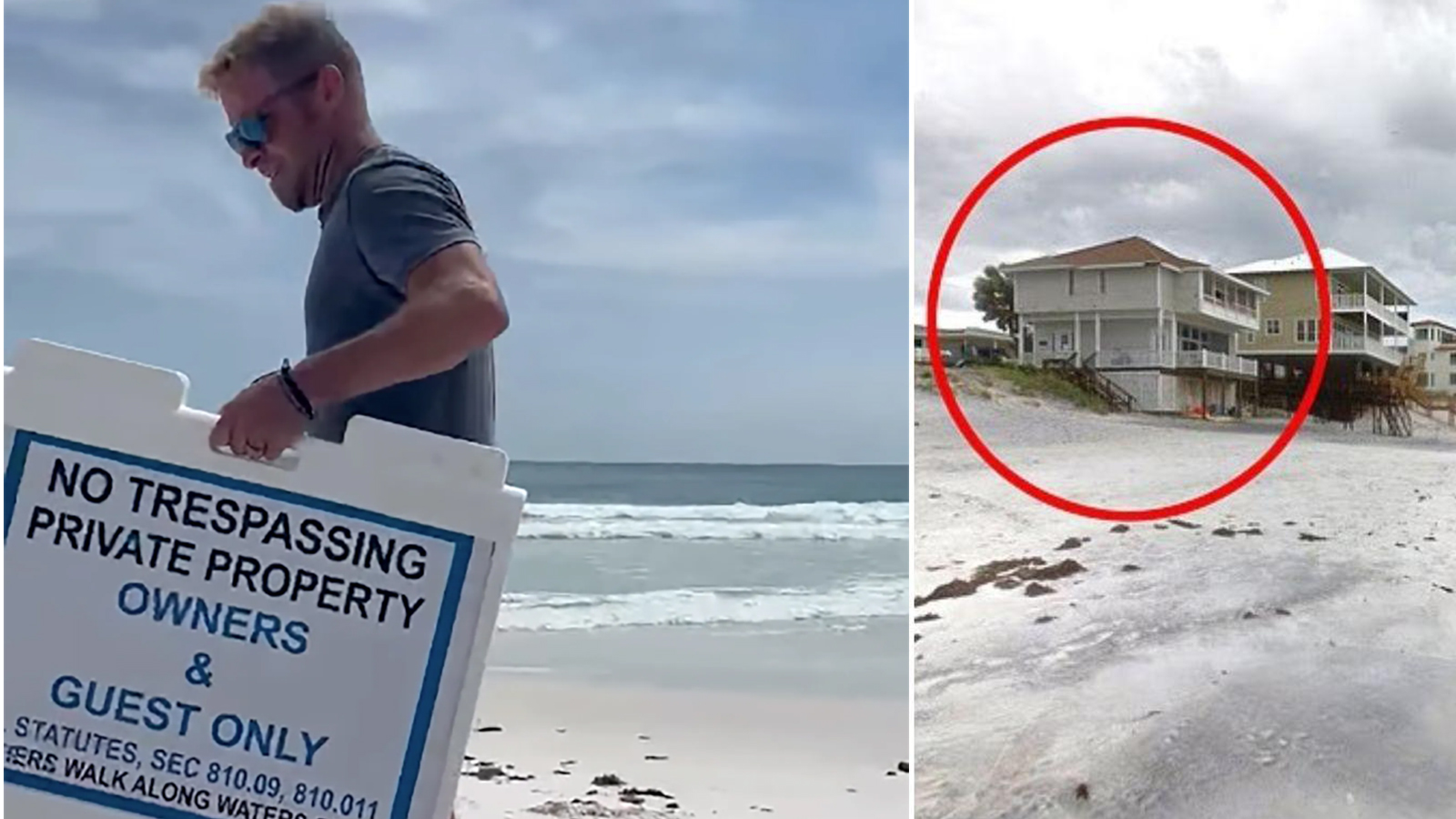
Littrell, 50, and his wife Leighanne Littrell, are suing neighbor Carolyn Barrington Hill, 67, for what they describe as ongoing harassment and trespassing at their $3.8 million oceanfront property in Santa Rosa Beach. According to court filings reviewed by AOL, Hill allegedly repeatedly entered the Littrells’ private stretch of sand between April and September 2025, ignoring ‘No Trespassing’ signs, setting up beach furniture, and even videotaping the family without consent.
Neighbors, Boundaries, and the Battle Over Beach Access
The heart of the dispute is more than a squabble over chairs and umbrellas—it’s a microcosm of the broader debate over who truly owns Florida’s coveted coastline. Littrell’s property, purchased in 2023 by his company BLB Beach Hut, LLC, sits on a stretch where the lines between public and private sand are fiercely contested. In Florida, the law says wet sand below the high tide mark is public, but the dry sand above can be privately owned. Some towns have passed ordinances to allow public access to privately owned beaches, further muddying the waters.
According to Littrell’s lawsuit, Hill didn’t just wander onto the property—she made her presence known. Court papers allege that she shouted and cursed at the Littrells’ property manager, refused to leave when asked, and set up furniture as if staking her own claim. During a particularly tense standoff on May 4, a Walton County Sheriff’s Officer reportedly ordered Hill to leave the beach. Yet, the alleged confrontations continued throughout the summer.
For Littrell, what was meant to be a peaceful retreat became a battleground. The family says they were forced to hire security after repeated incidents left them feeling unsafe. The court filings detail multiple specific dates—April 26, May 4, May 25, June 11, August 5, August 17, and September 6—when Hill allegedly trespassed, refused to leave, and filmed the family.
Legal Maneuvers and Public Perception
Littrell’s attorney, Peter Ticktin, paints a picture of a dream turned sour. When the Littrells first moved in, Ticktin says, they were “in heaven,” believing they’d finally secured a private beachfront paradise. But after winning a court battle over property lines, tensions with neighbors like Hill escalated. Ticktin alleges that Hill began accusing Littrell and other beachfront owners of “stealing” the beach, launching a public campaign that cast Littrell as a villain.
Hill, for her part, describes herself as “semi-retired” and “on Medicare.” She’s fighting back, filing a motion to dismiss Littrell’s claims as legally insufficient. A hearing on her motion is scheduled for December 11, 2025, with the outcome likely to set a precedent for similar disputes in the region.
The drama hasn’t been confined to the courtroom. Videos of the confrontations have appeared on social media, notably on the Instagram page Shoreline Defender. One widely circulated clip shows Littrell silently holding a ‘No Trespassing’ sign as his wife argues with a sunbather. Another video features a local property manager allegedly threatening beachgoers with a drill—prompting a stern warning from law enforcement caught on camera: “If you go near someone else with that drill in your hand again, I’m going to take you to jail.”
Emotional Toll and the Bigger Picture
The Littrells’ lawsuit isn’t just about property—it’s about peace of mind. They claim the ongoing harassment has caused “emotional distress” and disrupted their enjoyment of their home. Littrell even sued the Walton County Sheriff’s Office in July, alleging the agency failed to adequately protect his property from trespassers. The status of that suit remains unclear, as officials have declined to comment on pending litigation.
At stake is not just the Littrells’ slice of paradise, but the broader issue of how Florida’s beaches are managed. With high-value properties lining the coast, disputes like this are becoming more common, pitting private owners against long-time residents and beachgoers who see the sand as a public right.
The legal wrangling also exposes the emotional undercurrents that run through such battles. For Littrell, the fight isn’t just about boundaries—it’s about protecting his family and the dream he thought he’d purchased. For Hill and others, it’s a stand against what they view as the privatization of a shared natural resource.
As the December hearing approaches, both sides remain entrenched. Littrell’s team insists they’ve done nothing wrong, that they’re simply defending their legal rights. Hill maintains she’s being unfairly targeted, and that the lawsuit is flawed. The outcome may hinge not just on property lines, but on how the community—and the courts—interpret the meaning of ‘ownership’ along the shifting sands of the Gulf Coast.
The Littrell case is a vivid illustration of how celebrity, property law, and local culture can collide in unexpected ways. Beyond the headlines, it reveals the deep passions and complexities involved when private dreams meet public spaces—a reminder that even paradise comes with its own set of rules, and sometimes, rivalries.