
Quick Read
- Heavy rains from December 13–14, 2025 triggered severe flooding in Bali, especially Denpasar and Badung.
- A female foreign national died after being swept away by floodwaters while riding a motorcycle in North Kuta.
- Dozens of foreign tourists were evacuated from flooded villas; some suffered property damage.
- Indonesian authorities issued an extreme weather alert through December 18, warning of further disruption.
- Local agencies conducted ongoing rescue and cleanup operations amid continued rain and high water levels.
Bali Hit by Severe Flooding Amid Record December Rains
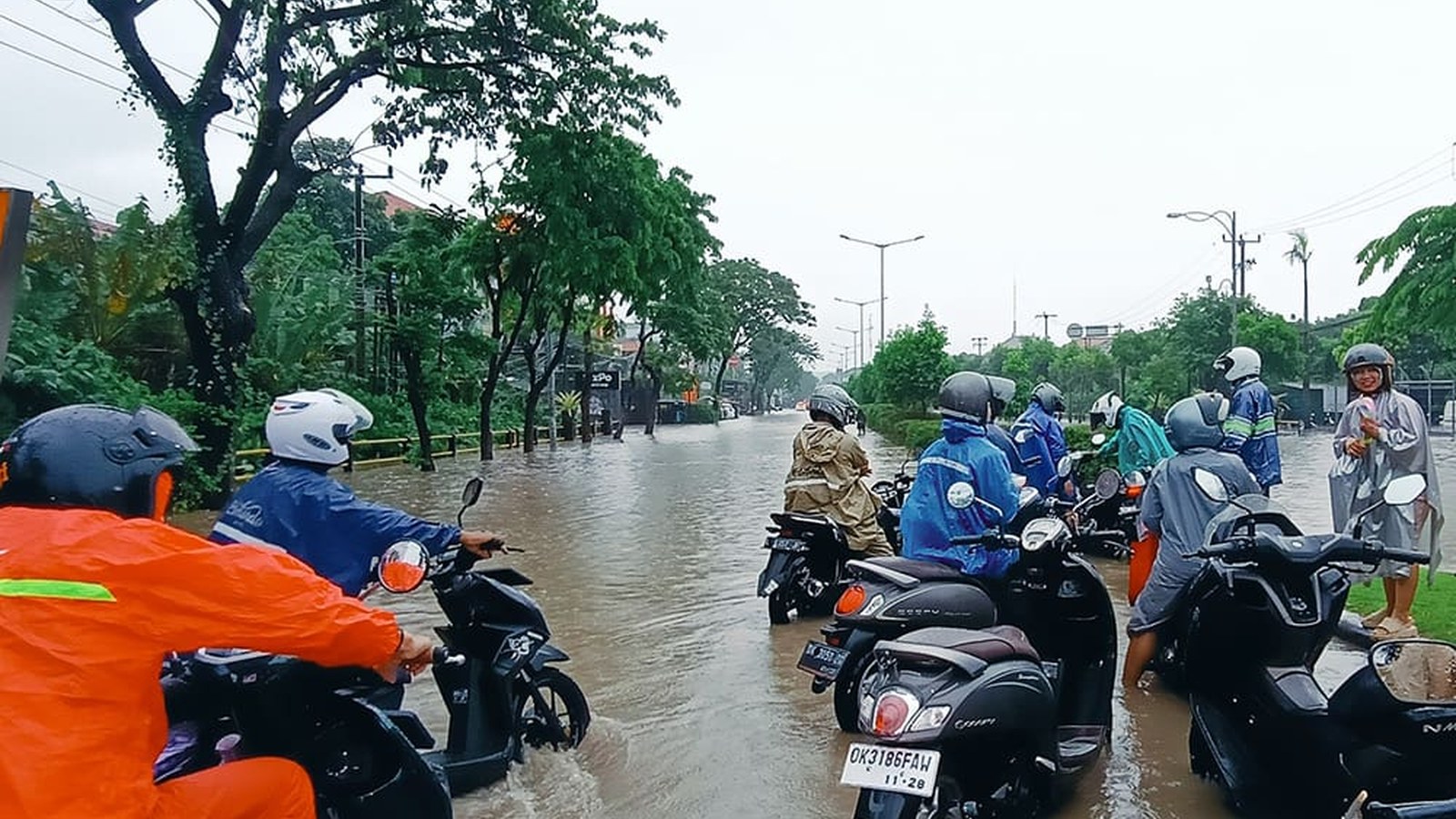
Bali, the world-renowned holiday island, has been thrown into crisis after days of relentless rainfall triggered widespread flooding, property damage, and a fatal accident involving a foreign tourist. The disaster, which struck from Saturday night through Sunday, December 14, 2025, has left residents and travelers scrambling for safety and authorities on high alert for further disruptions.
Fatality and Evacuations as Floodwaters Rise
In one of the most tragic incidents, a female foreign national died after being swept away by powerful flood currents while riding her motorcycle in North Kuta’s Tibubeneng Village. According to eyewitnesses and local police, she attempted to drive through rising waters despite warnings from residents. The current proved overwhelming, carrying her and her vehicle into a drainage culvert where she was later found trapped, her body discovered below a bridge and evacuated to Prof Ngoerah General Hospital in Denpasar. Her identity remains unconfirmed as of Monday morning (The Bali Times, Jakarta Globe).
The disaster unfolded rapidly, with floodwaters reaching waist height in Denpasar, Badung, and other low-lying areas. Emergency teams deployed rubber boats to evacuate stranded residents and tourists. In the Jalan Gunung Athena and Widuri Permai Housing Complex, dozens of foreign nationals—including Australians, Singaporeans, Chinese, and Indians—were forced to relocate as their villas became submerged. Local authorities reported that some residents refused evacuation, choosing to remain in higher-elevation homes despite the risks.
Tourists Displaced, Property Lost
The impact on Bali’s tourism sector was immediate and widespread. Many visitors found themselves stranded or facing property losses as floodwaters invaded popular resort areas. Latai, an Australian tourist evacuated from a villa in Denpasar, described water reaching thigh level and being forced to seek alternative accommodation. Others, like Amy from China, suffered material losses as electronic equipment was damaged in the deluge, yet opted to stay amid the chaos to safeguard personal belongings.
Hotels and local disaster management agencies collaborated in urgent rescue operations, deploying rubber boats and coordinating rapid evacuations. By Sunday afternoon, at least 20 foreign nationals had been moved from flooded properties. Meanwhile, some roads and neighborhoods remained impassable, and household items were left irretrievably damaged, as residents began the arduous process of cleaning up once waters receded.
Extreme Weather Warning: More Rain and Disruption Ahead
The flooding coincides with Indonesia’s rainiest season on record and a forecast for continued extreme weather. The Indonesian Meteorology, Climatology & Geophysics Agency (BMKG) issued an alert for Bali Province from December 11–18, warning of heavy rainfall, strong winds, and the risk of further flooding, fallen trees, and landslides (Karryon). The warning comes as a tropical storm system in the South Indian Ocean drives unstable conditions across the region. Resort areas including Kuta, Seminyak, Denpasar Airport, and Tabanan are at heightened risk, with waves of up to 2.5 meters expected off the southern coast.
Australia’s Department of Foreign Affairs & Trade also updated its travel advice, noting that floods have already affected Bali and Jakarta, and urging travelers to remain flexible, maintain travel insurance, and monitor real-time updates. The presence of thousands of Australian holidaymakers in Bali for the December–January period amplifies concerns, as authorities brace for continued disruption.
Local Response and Community Resilience
Emergency agencies, including Denpasar’s Disaster Management Agency (BPBD) and the local Search and Rescue Office, have been working around the clock. Water pumping operations began early Sunday but struggled to keep pace with the high water discharge. In some cases, pumping efforts proved insufficient as rain continued to swell rivers and inundate streets.
Authorities responded to additional hazards, such as fallen trees blocking access roads in Seririt District, which were cleared without reported injuries. Continuous monitoring and rapid response teams have been deployed across affected areas, and local police maintain traffic safety where possible. The BPBD and other agencies have pledged ongoing updates to the public as conditions evolve.
Looking Forward: Uncertainty and Preparedness
With extreme weather warnings still in effect, Bali’s residents and visitors remain on edge. The island’s infrastructure, while robust in many respects, faces a stern test against increasingly unpredictable weather patterns and the mounting toll on homes, businesses, and lives.
Local authorities emphasize the importance of heeding official instructions and making safety a priority, especially as further rainfall and storms are forecast in the coming days. For tourists, the events underscore the necessity of travel flexibility, insurance, and attention to official advisories during Indonesia’s volatile wet season.
As Bali recovers from the latest floods, the community’s resilience and the coordinated efforts of emergency teams stand out. Yet the tragedy of the lost life and the disruption to residents and tourists alike remain a sobering reminder of nature’s unpredictability and the urgent need for preparedness.
The December 2025 Bali floods have exposed both the vulnerability of popular tourist destinations to sudden natural disasters and the strength of local response systems. While the loss of life and property is deeply felt, the measured actions of authorities and the resilience of the community provide hope for managing future crises—if lessons are learned and preparedness remains a priority. (The Bali Times, Jakarta Globe, Karryon)