
Quick Read
- Barbara Dreaver recounts her 2008 detention in Fiji, highlighting the extreme risks journalists faced under the previous military regime.
- New diplomatic friction has emerged between New Zealand and Samoa over claims regarding an honorary matai title requested by PM Christopher Luxon.
- The ongoing debate over visa-free access for Pacific nations remains a central point of contention in current regional diplomatic discussions.
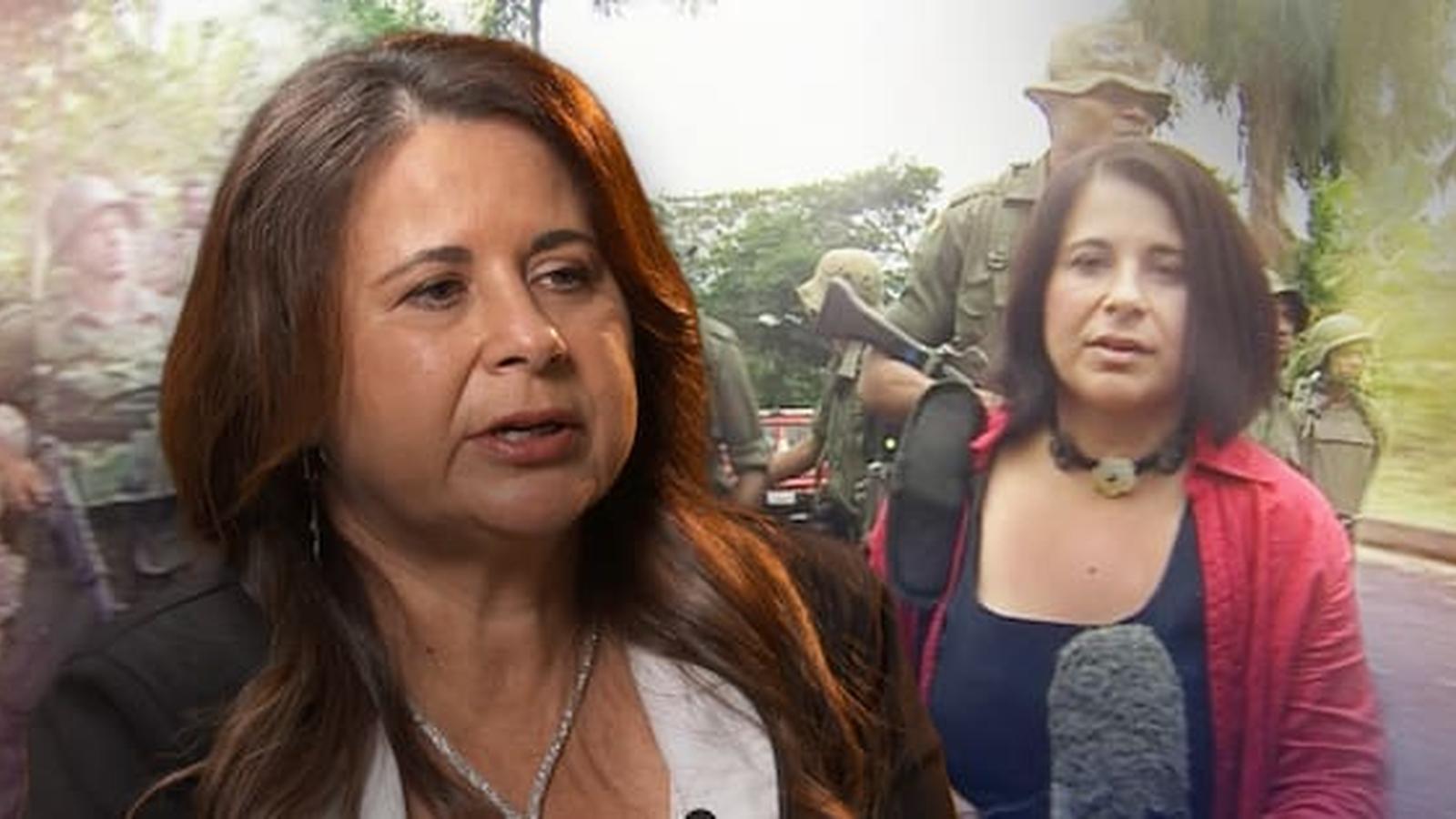
Veteran Pacific correspondent Barbara Dreaver has shed new light on one of the most perilous moments of her career, detailing a night of forced detention in Fiji in 2008. In her newly released memoir, Be Brave, Dreaver describes being held in a guarded facility by the then-military regime, a chilling experience that serves as a stark reminder of the risks faced by journalists operating in volatile political environments.
The 2008 Fiji Detention and the Price of Reporting
The incident occurred in December 2008 while Dreaver was in Nadi to cover the expulsion of New Zealand’s acting high commissioner. Fearing she was on the regime’s “hit list,” Dreaver attempted to document her interactions with immigration officials discreetly. Instead, she was intercepted, stripped of her freedom, and held in a secure compound under armed guard. Throughout the night, she practiced stripping and dressing in case of forced interrogation, fueled by reports of torture and humiliation inflicted upon those who challenged the Bainimarama government.
Dreaver’s account highlights the psychological toll of such detention, noting that she feared not only the military but also the volatile environment of the facility itself. She remained in constant communication with her editors and family, an act of defiance that she credits with keeping her safe until her eventual departure the following morning. The experience, she writes, left her with a profound sense of loss as she was effectively banned from returning to a country she deeply admired.
Regional Diplomatic Friction in 2026
Dreaver’s reflection on the fragility of Pacific press freedom arrives as current Prime Minister Christopher Luxon navigates a complex diplomatic landscape in Samoa. While Dreaver’s history underscores the historical volatility of the region, contemporary tensions have surfaced regarding the Prime Minister’s upcoming visit. Samoan Prime Minister Laaulialemalietoa Leuatea Polataivao Fosi Schmidt recently claimed that Luxon requested a chiefly matai title, a statement that the Prime Minister’s office has strenuously denied.
The disagreement has intensified calls for visa-free travel for Pacific nations, a policy supported by 48,000 petitioners and favored by Laaulialemalietoa. The Samoan leader, known for his combative stance on diplomacy and restrictions against local media, has linked the bestowal of the title to a duty to serve the Pacific people, effectively framing the diplomatic visit as a trial of New Zealand’s commitment to regional equity.
The Intersection of History and Modern Diplomacy
- Dreaver’s memoir serves as a primary account of the dangers associated with reporting on authoritarian regimes in the Pacific during the late 2000s.
- Current diplomatic tensions between New Zealand and Samoa highlight the ongoing friction regarding immigration policy and symbolic leadership roles.
- The refusal of the Samoan government to allow certain media outlets to attend press events mirrors the long-standing concerns about transparency and press freedom that Dreaver encountered in Fiji years prior.
The resurfacing of Dreaver’s account acts as a potent cultural anchor, reminding regional observers that the current diplomatic posturing in the Pacific is not an isolated phenomenon, but part of a long-standing struggle between institutional authority and independent scrutiny.