
Quick Read
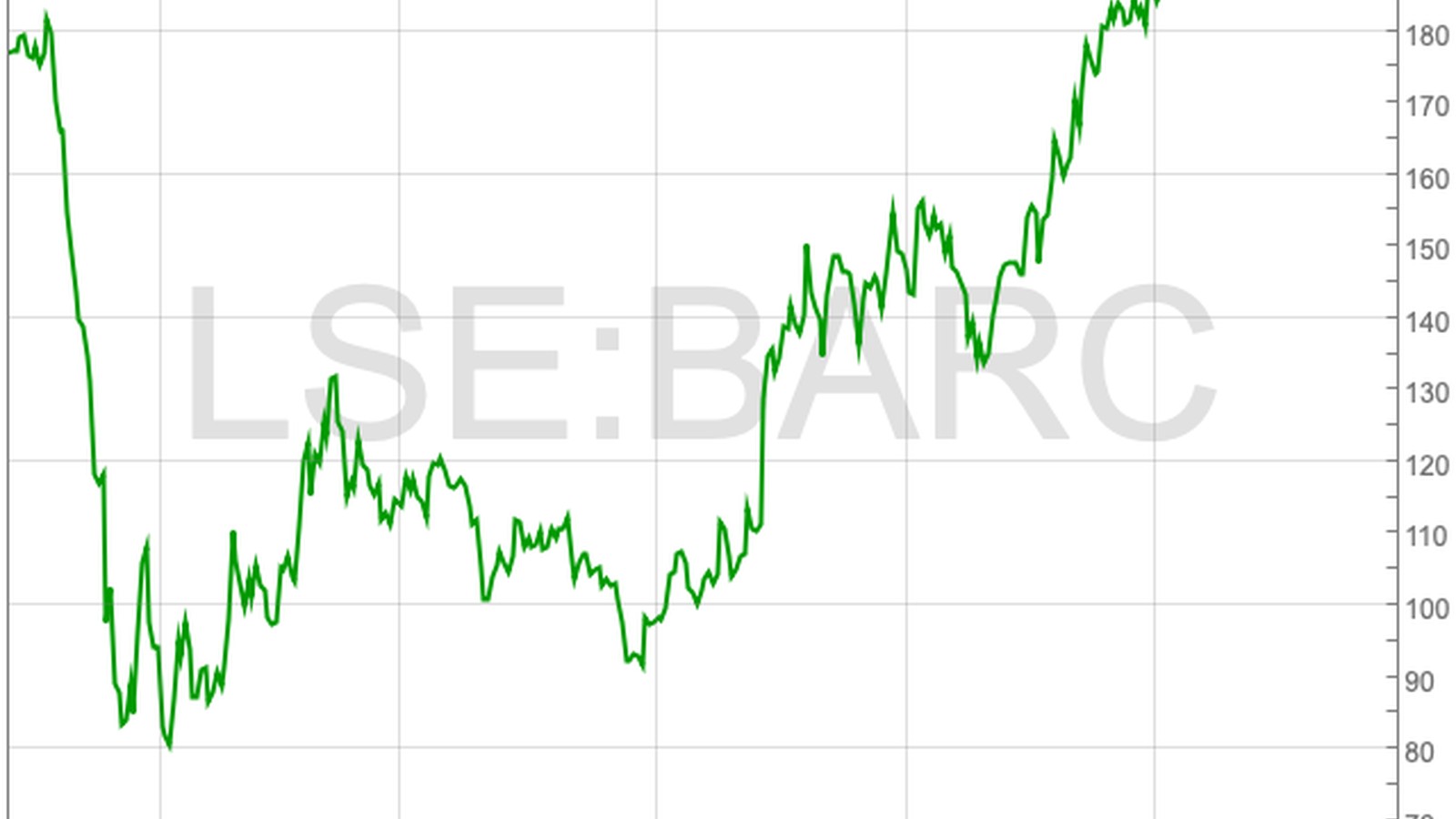
- Barclays share price rose 77% in 2025, trailing Lloyds’ 79% surge.
- Interest rate cuts in late 2025 signal tougher conditions for banks in 2026.
- Barclays trades at a P/E of 13 and price-to-book of 0.85, offering decent value but less upside than before.
After a remarkable run in 2025, Barclays’ share price has become the center of attention for both seasoned investors and those just dipping their toes into the banking sector. The numbers are hard to ignore: Barclays climbed a staggering 77% over the past year, outperforming nearly all of its FTSE 100 banking peers except Lloyds, which edged slightly higher with a 79% gain. The question now hanging in the air is whether Barclays can keep up its momentum as the landscape shifts in 2026.
What fueled this rally? The answer, as The Motley Fool points out, lies in the era of higher interest rates that gave big banks a significant boost. When rates rise, banks earn more on the difference between what they pay savers and charge borrowers — known as the net interest margin. For much of 2025, this margin expanded, propelling Barclays to new heights. But with the Bank of England and the US Federal Reserve both cutting rates at the end of last year, and further reductions expected throughout 2026, the picture is changing. Margins may tighten, and that could mean a tougher year for Barclays and its competitors.
Looking further back, Barclays’ performance over two years has been nothing short of extraordinary. The shares are up 205% since 2024, nearly doubling Lloyds’ 104% climb. One reason for Barclays’ outperformance was its ability to sidestep scandals that hit rivals — notably Lloyds, which was impacted by issues in its motor finance division. This clean run helped Barclays attract investors searching for stability and growth.
But now, the valuation story is shifting. Gone are the days of bargain-basement price-to-earnings (P/E) ratios. At the start of 2023, Barclays and Lloyds both traded at six or seven times earnings, an attractive entry point for value seekers. Today, Barclays sits at a P/E of 13, Lloyds at 15.4. While neither is prohibitively expensive compared to broader markets, neither is the steal it once was.
On another key metric — price-to-book value — Barclays continues to look slightly more attractive. At 0.85, it suggests the shares may have a bit more room to grow compared to Lloyds, which is valued closer to 1.25. Still, valuations are only part of the puzzle. What really matters for long-term investors is how efficiently banks can generate returns on their tangible equity (RoTE). Here, Lloyds is forecast to produce a RoTE above 15% in 2026, benefiting from its focused UK retail model and a structural hedge that supports income even as rates fluctuate. Barclays, with its more diversified operations that include US investment banking, is expected to deliver just under 13%. While that’s still robust, the broader business mix introduces more volatility — meaning Barclays’ fortunes are more closely tied to global markets.
So, what do analysts expect from here? The consensus target for Barclays over the next year is just under 474p, which is essentially where the shares trade now. Lloyds’ target sits around 101p, a modest 2.6% upside. After such explosive growth, expert forecasts suggest the rally is cooling. This doesn’t necessarily spell trouble, but it does imply that investors might want to temper expectations for outsized gains in 2026.
Income remains a key consideration. Barclays offers a forecast yield of about 1.94% — lower than Lloyds’ 3.7%. However, Barclays has chosen to favor share buybacks as its main way of returning capital to shareholders, and management is expected to be generous on that front. Lloyds, by contrast, remains the bank for those who prefer straightforward cash dividends.
In the grand scheme, Lloyds may edge out Barclays in terms of higher income and steadier returns, but the story isn’t one-sided. Barclays’ slightly cheaper valuation and diversified model mean it could surprise, particularly if global markets perform well. Ultimately, patience and a long-term view are likely to matter more than chasing short-term fireworks. Both banks, despite the recent cooling in share price forecasts, remain worthy of consideration for those looking to balance risk and reward in the evolving financial landscape.
For those wondering how Barclays stacks up against tech-driven stocks, it’s notable that the bank continues to play a role in broader market movements. Recent analyst actions, such as Barclays upgrading Vertiv Holdings and focusing on the technology sector, show the bank’s ongoing influence in shaping investor sentiment. Still, the core story for Barclays in 2026 is one of navigating a changing interest rate environment, maintaining operational discipline, and keeping an eye on global trends.
Based on the facts, Barclays enters 2026 with a mix of solid past performance and new challenges. While the share price is no longer a bargain, its diversified model and disciplined management give it the potential to weather margin pressures and surprise to the upside. Investors should watch for shifts in rate policy and global market volatility, but those with patience may find value in Barclays’ steady approach.